服装制作

Search documents
百年徽帮裁缝技艺传承焕新机
Zhong Guo Xin Wen Wang· 2026-01-22 08:08
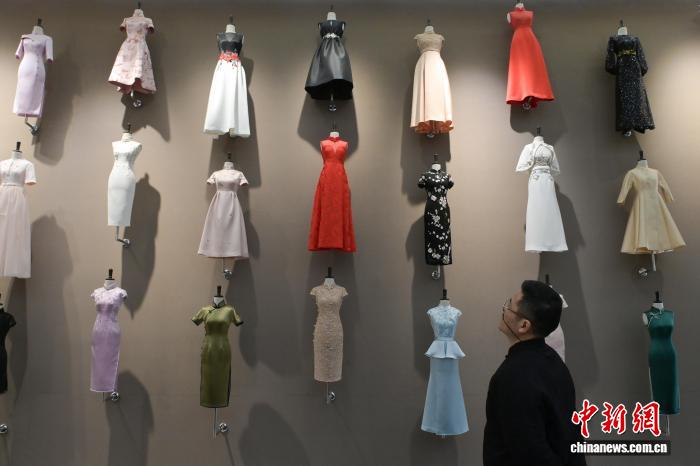
Core Viewpoint - The article highlights the revival and innovation of the "Hui-style tailoring" craft in Anhui, emphasizing its unique techniques, cultural significance, and the efforts of the current generation to modernize and promote this traditional art form [1]. Group 1: Craft Techniques and Cultural Significance - "Hui-style tailoring" is characterized by a complete and original technique system, adherence to handmade and single-person production principles, and the integration of craftsmanship with Huizhou cultural heritage [1]. - The craft has evolved to incorporate elements from traditional Huizhou architecture and the Xin'an painting style, resulting in garments that reflect distinct regional characteristics and artistic value [3]. Group 2: Business Development and Customer Engagement - The "Hui-style tailoring" shop has been recognized as one of the first typical cases of "Anhui Province's intangible cultural heritage aesthetic consumption space," attracting a steady stream of customers [3]. - The shop's history dates back to 1920 when it was established by Wang Jun's grandfather, and it once had branches in multiple cities, serving notable figures like Hu Shi and Zhang Ailing [3]. Group 3: Innovation and Youth Involvement - Wang Jun's daughter, Wang Shuyi, is taking over the legacy and innovating within the craft by creating modern products such as brooches, earrings, and embroidered masks, making the heritage more accessible and appealing to younger audiences [5]. - The shop conducts public salons, hands-on experiences, and educational activities, reaching over 300,000 people both online and offline [5].

年轻人淘布料做衣服,价格便宜一半!
Sou Hu Cai Jing· 2025-10-23 18:06
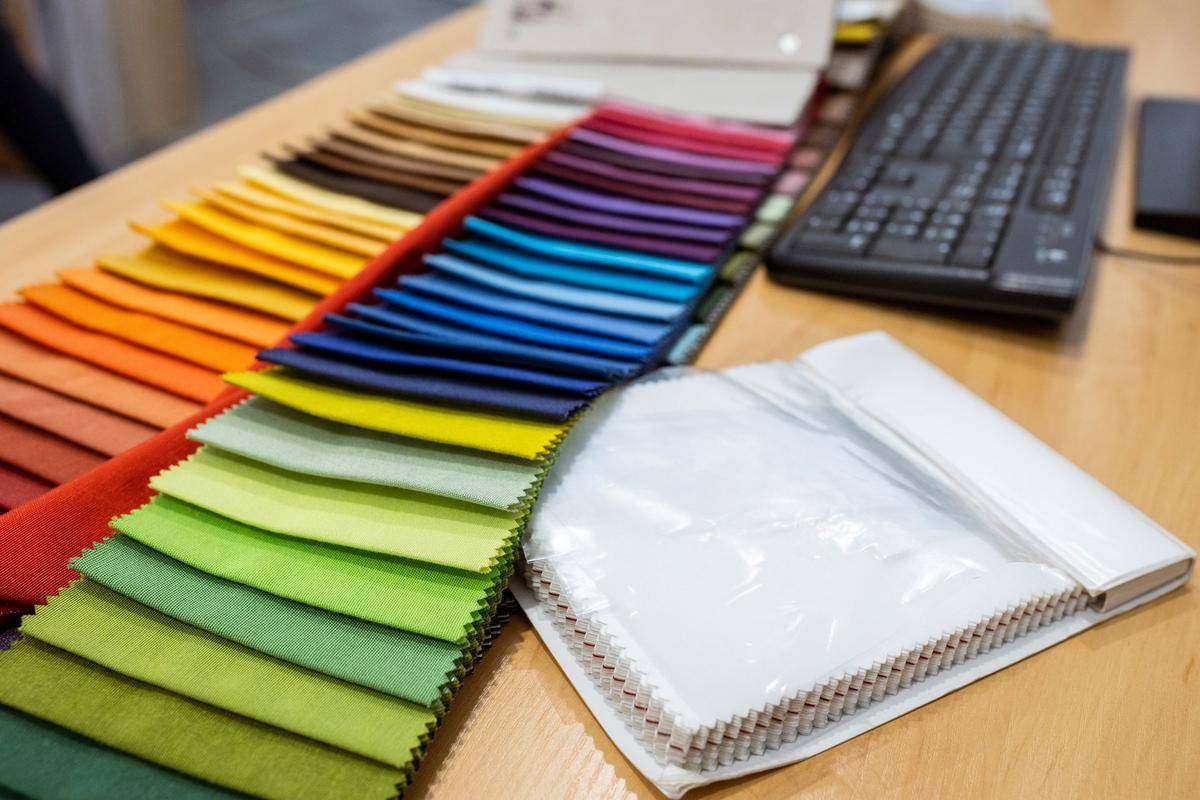
Core Viewpoint - A "handmade clothing craze" is emerging among young consumers, representing a rebellion against fast fashion's homogenized designs and an exploration of personalized lifestyles [3][10]. Group 1: Market Trends - The fabric market is experiencing a resurgence of young consumers who seek unique clothing rather than mass production [3]. - The "fabric hunting formula" is driving this trend, with high-quality imported materials available at significantly lower prices, such as Italian cashmere at 280 yuan per meter [5]. - The demand for DIY clothing is growing, with a 280% increase in the 18-35 age group choosing to source fabric for personal creations over three years [9]. Group 2: Cost and Customization - Young designers are finding substantial cost savings in handmade clothing, with a custom shirt costing only 215 yuan compared to over 400 yuan for similar quality in stores [7]. - The emphasis on customization is paramount, as consumers seek unique designs that fit their personal needs, which mass-produced clothing cannot provide [10]. Group 3: Social Media Influence - Social media platforms are amplifying the handmade clothing trend, with tutorial videos gaining millions of views and community initiatives like "fabric sharing banks" emerging [13]. - Environmental concerns are also influencing consumer behavior, with 65% of participants believing that handmade clothing can reduce fabric waste by over 70% [13]. Group 4: Revitalization of Traditional Markets - Traditional fabric markets are adapting by offering small-batch customization services and supporting low minimum order quantities [13]. - The rise of DIY fabric-related content on platforms like Douyin has seen a sevenfold increase in viewership over three months [13]. Group 5: Cultural and Generational Exchange - Young consumers are not only seeking to save money but are also redefining their lifestyles through personal creation, moving away from consumerism [14]. - There is a cultural exchange happening in community workshops, where older generations teach traditional skills to younger individuals, fostering a sense of connection and sustainability [14].