
林业开发

Search documents
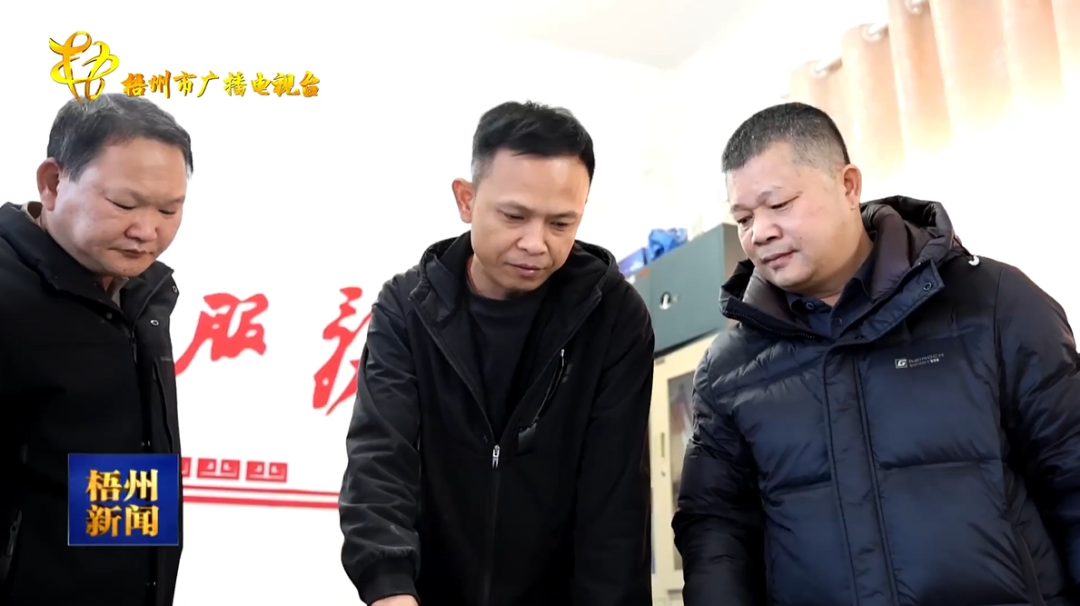
守绿护林践初心 深耕林海惠民生丨记全区“人民满意的公务员”陈达镇
Xin Lang Cai Jing· 2026-02-26 04:14
Core Viewpoint - The article highlights the achievements of Chen Dazhen, a forestry official in Wuzhou, who has been recognized as a "People's Satisfied Civil Servant" for his efforts in improving forest management and resolving land disputes, ultimately contributing to the region's ecological and economic development [1]. Group 1: Forest Management and Dispute Resolution - Chen Dazhen implemented an innovative "whole village promotion + graded resolution" model to address 1,573 land rights disputes in Shuli Village, achieving a 100% resolution rate and clarifying ownership of 15,823 acres of forest [2]. - The clarity in land ownership has led to increased income for villagers, as noted by local village leader Zhong Xinxiong, who expressed strong support for Chen's leadership [2]. Group 2: Cost Savings and Regulatory Improvements - Under Chen's leadership, a "four-in-one" regulatory system was established to combat forest resource destruction, saving over 20 million yuan in costs for forest farmers over the past three years [4]. - Wuzhou became the first city in Guangxi to receive national recognition for its forest chief system in 2024, showcasing the effectiveness of the regulatory framework developed by Chen [4]. Group 3: Economic Development Initiatives - Chen facilitated the approval process for the Hongyi New Materials project, reducing the average approval time by three months, which significantly accelerated project development [4]. - A "government-bank-insurance guarantee" green financial service system was established under Chen's leadership, leading to the launch of Guangxi's first "biodiversity + forestry" financial product, addressing the challenges of forest rights collateral [6]. - The projected output of the forest economy in Wuzhou is expected to reach 15.838 billion yuan by 2025, benefiting one million forest farmers [6].

继续授予“贵州省省级林业龙头企业”称号企业名单
Xin Lang Cai Jing· 2025-12-25 22:30
Group 1 - The document lists various companies in Guizhou, focusing on sectors such as agriculture, biotechnology, and pharmaceuticals [1][2][3][4][5][6][7][8][9] - Companies like Guizhou Daziran Technology Co., Ltd. and Guizhou Pharmaceutical Group are highlighted for their roles in health and wellness industries [1][5] - The presence of numerous tea and agricultural product companies indicates a strong emphasis on local agricultural development and eco-friendly practices [2][3][4][6][8] Group 2 - The document includes a variety of companies involved in the production of organic and health-related products, showcasing a trend towards sustainable and health-conscious consumer goods [2][3][5][6] - Companies such as Guizhou Tianzi Guibao Food Co., Ltd. and Guizhou Yuyuan Agricultural Development Co., Ltd. are noted for their contributions to the food and health sectors [5][6][7] - The diversity of companies listed suggests a robust ecosystem for agricultural innovation and development in Guizhou [1][2][3][4][5]

全省首个集体林地规模化合作开发试点项目落地阳江
Nan Fang Ri Bao Wang Luo Ban· 2025-08-07 08:54
Core Viewpoint - The "Collective Forest Land Cooperation Project" in Yangjiang represents a pioneering model for collective forest land development in Guangdong Province, aiming to enhance economic benefits for local communities through innovative partnerships and resource management [1] Group 1: Project Overview - The project is the first large-scale collective forest land cooperation pilot in the province, utilizing a "village collective + state-owned enterprise" model [1] - It aims to revitalize idle forest land resources through the "three rights separation" reform, potentially increasing collective income by over 8 times per mu compared to traditional leasing methods over 14 years [1] Group 2: Challenges Addressed - The project addresses the issue of underutilized forest land in villages like He Ping and Long Sheng, where economic benefits have been limited due to various factors such as labor shortages and single operational models [1] - The current situation reflects the broader challenge of managing "green banks" without realizing tangible economic returns [1] Group 3: Operational Model - The new operational model involves government guidance, enterprise leadership, collective participation, and financial support, with village collectives investing land and state-owned enterprises managing funding and operations [1] - Commercial banks are providing specialized loan support to activate forest resources, aiming for both ecological and economic benefits [1] Group 4: Environmental Impact - The project plans to use high-quality tree species like black acacia mixed with native broadleaf trees to optimize forest structure and enhance carbon sequestration capabilities, contributing to ecological restoration [1] - The establishment of a multi-faceted cooperation framework includes risk-sharing, benefit distribution, technological support, and regulatory assurance, promoting a win-win scenario for all stakeholders involved [1]
群众工作札记 | 督促补发涉林民生资金
Zhong Yang Ji Wei Guo Jia Jian Wei Wang Zhan· 2025-05-27 00:29
Group 1 - The core issue of delayed payments for forest management compensation was highlighted, with a specific case involving a villager named Luo, who received overdue payments after a routine inspection revealed the problem [2][3] - The county forestry bureau initiated a thorough investigation into the complaints regarding the distribution of forestry project funds, identifying eight issues related to the timely disbursement of funds, leading to the prompt payment of 5.2044 million yuan in overdue funds [3] - The county's disciplinary inspection and supervision commission conducted a comprehensive review of complaints and issues related to forestry since 2018, focusing on key areas such as responsibility enforcement and financial misconduct, resulting in multiple disciplinary actions [4] Group 2 - The county forestry bureau took corrective actions by re-signing agreements with affected individuals and ensuring the payment of 71,400 yuan to Luo and his brother for their forest management efforts [2] - Continuous monitoring and follow-up actions were emphasized to ensure that issues are not just temporarily addressed but resolved sustainably [3] - The disciplinary commission's efforts included the establishment of risk assessment and management systems, leading to the identification of 23 issues related to forestry and agriculture, with 16 cases formally investigated [4]