残疾人养护服务

Search documents
科技赋能与需求扩张,残疾人辅具产业迈向万亿新蓝海
Nan Fang Du Shi Bao· 2025-12-04 05:01
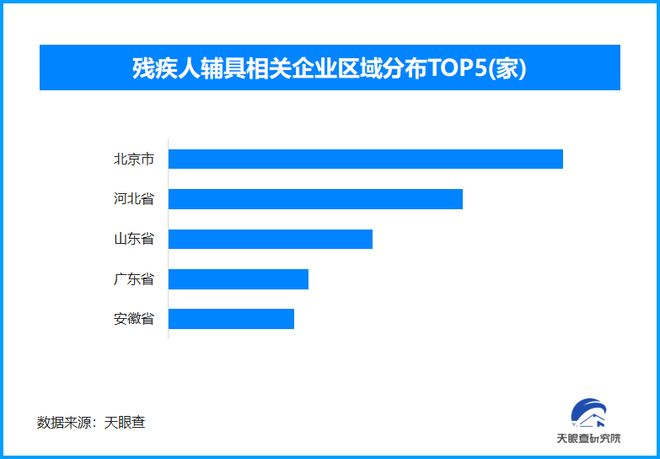
Group 1: Industry Transformation - The theme of the 33rd International Day of Persons with Disabilities emphasizes enhancing the leadership of disabled individuals and creating an inclusive and sustainable future, driving the transition of the disability-related industry from traditional service models to technology-driven and market-led development [1] - The number of certified disabled individuals employed in China has reached 9.144 million, contributing to a market for assistive devices and care services exceeding one trillion yuan [1] - The shift towards a more inclusive society is transforming disabled individuals from service recipients to active participants in economic development, fostering innovation in care services, assistive devices, and financial services [1] Group 2: Assistive Device Industry - The high-end assistive device market, previously dominated by imported brands, is now being disrupted by domestic innovations, with local smart prosthetics matching international products in performance at one-third of the price [2] - Advanced technologies such as brain-machine interfaces and AI exoskeletons are facilitating the transition of domestic assistive devices from "OEM production" to "independent innovation" [2] - As of now, there are over 20,900 assistive device-related enterprises in China, with Beijing, Hebei, and Shandong leading in the number of companies, accounting for 38.63% of the total [2][4] Group 3: Care Services - The care service sector is evolving from basic care to comprehensive support across rehabilitation, employment, and psychological services, with technology enabling more personalized and refined services [6] - There are over 8,900 enterprises related to disability care services in China, with Guangdong, Sichuan, Hunan, and Hebei having the highest concentrations, representing 53.8% of the total [6] - Rural areas are gradually improving service gaps through east-west collaboration mechanisms, with some counties reporting annual family incomes as low as 10,000 yuan and assistive device adaptation rates lagging behind urban areas by over 20 percentage points [8] Group 4: Insurance Innovation - Inclusive insurance products are addressing traditional coverage gaps, allowing disabled individuals to participate more fully in economic activities, with customized products for hearing-impaired and physically disabled individuals [10] - The insurance industry's comprehensive solvency ratio remains stable, providing a buffer for the introduction of innovative insurance products [10] - There are over 46,000 health insurance-related enterprises in China, with Jiangsu, Shandong, Hebei, and Guangdong leading in numbers, accounting for 30.78% of the total [10] Group 5: Social Collaboration and Employment - The dual-track approach of policy and market mechanisms is expanding employment opportunities for disabled individuals, with various enterprises facilitating thousands of job placements during the International Day of Persons with Disabilities [12] - Despite progress, challenges such as high labor costs and inadequate job matching persist, necessitating further analysis of successful case studies to develop replicable employment promotion strategies [12] - The transformation of the disability care, assistive device, and insurance industries reflects a significant shift in China's approach from "survival guarantee" to "value creation" for disabled individuals [12]