水上运输管理

Search documents
清远海事局护航春运首日:精准监管守安全 优质服务暖旅途
Xin Lang Cai Jing· 2026-02-02 15:56
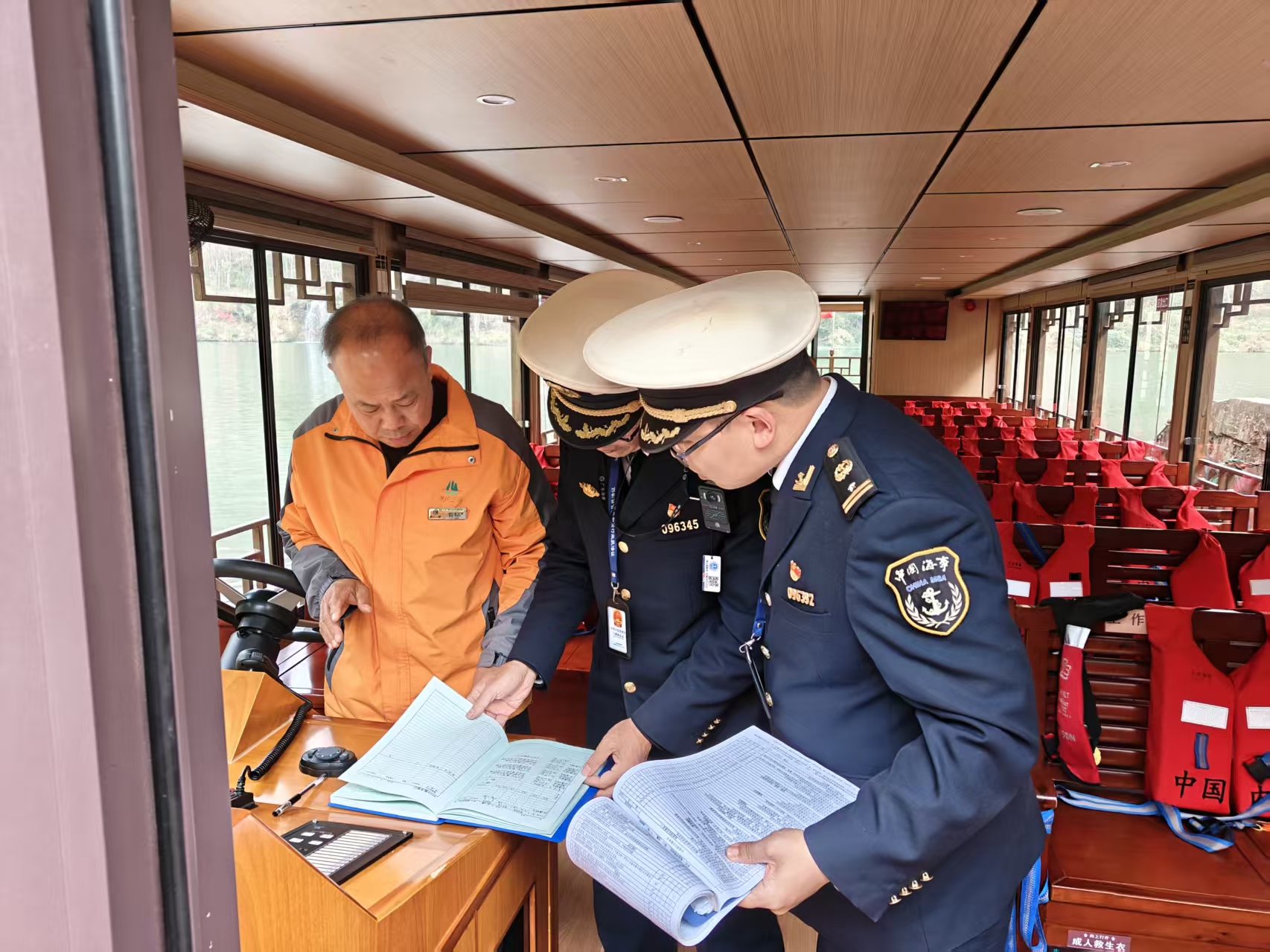
Core Viewpoint - The Qingyuan Maritime Safety Administration has launched a comprehensive "Escort Action" to ensure safe and convenient travel for the public during the Spring Festival travel season, focusing on thorough hazard inspections, on-site monitoring, and smart regulation [1] Group 1: Safety Inspections - Safety checks are conducted with "full coverage" and zero tolerance for hazards, including pre-departure inspections of tourist vessels to ensure equipment maintenance, crew emergency response capabilities, and the effectiveness of firefighting and lifesaving facilities [3] - Maritime enforcement personnel are actively engaging in safety promotion activities, distributing safety materials, and reminding vessels to enhance hazard inspections and watchkeeping [3][4] Group 2: On-Site Monitoring - On the first day of the Spring Festival travel season, passenger flow at key ferry terminals and passenger docks in Qingyuan is stable and orderly, with enforcement personnel guiding passengers and checking for compliance with safety regulations [4] - Additional personnel have been deployed to crowded areas to ensure safety while providing amenities such as hot water and emergency medical supplies, enhancing the travel experience for vulnerable groups [4] Group 3: Smart Regulation - The Qingyuan Maritime Safety Administration utilizes a "Smart Maritime" system for 24-hour electronic surveillance and remote dynamic monitoring of key water areas, passenger terminals, and ferry crossings [7] - The command center can issue real-time alerts and intervene in case of anomalies, ensuring efficient coordination between remote monitoring and on-site response [8]

江苏海事去年首次实现“双零”
Xin Hua Ri Bao· 2026-01-18 21:06
Core Insights - Jiangsu Maritime achieved a historic breakthrough in 2025 with "zero grade accidents and zero fatalities" in water transportation, marking a significant advancement in water safety governance [1] - The total number of accidents and emergencies in the jurisdiction decreased by 68% and 45% year-on-year, respectively, with 14 safety production practices recognized as typical cases for replication [1] - The implementation of a "self-inspection and maritime inspection" mechanism led to the closure of 57,000 general hazards and over 1,400 major hazards [1] Group 1 - Jiangsu Maritime's proactive measures included the installation of anti-collision facilities on four bridges and effective handling of 54 water emergencies throughout the year [1] - The number of maritime control incidents and old hazardous chemical vessels arriving at ports decreased by 54.5% and 30% year-on-year, respectively [1] - During the "14th Five-Year Plan" period, Jiangsu Maritime eliminated all water transshipment operations and dynamically cleared illegal activities involving "three no" vessels and inland vessels engaged in maritime transport [1] Group 2 - Looking ahead to the "15th Five-Year Plan," Jiangsu Maritime aims to enhance maritime supervision services through digitalization, intelligence, and integration [2] - The smart maritime supervision system is expected to achieve 100% coverage in key inland and coastal waters, with AI monitoring applied at hazardous chemical terminals and passenger ships reaching 100% [2] - The goal is to reduce the number of fatalities in water transportation accidents per 100 million tons of throughput by 10% compared to the "14th Five-Year Plan" period, with a 30% decrease in maritime control incidents [2]
清远海事暖心守护元旦假期水上出行
Xin Lang Cai Jing· 2026-01-02 08:10
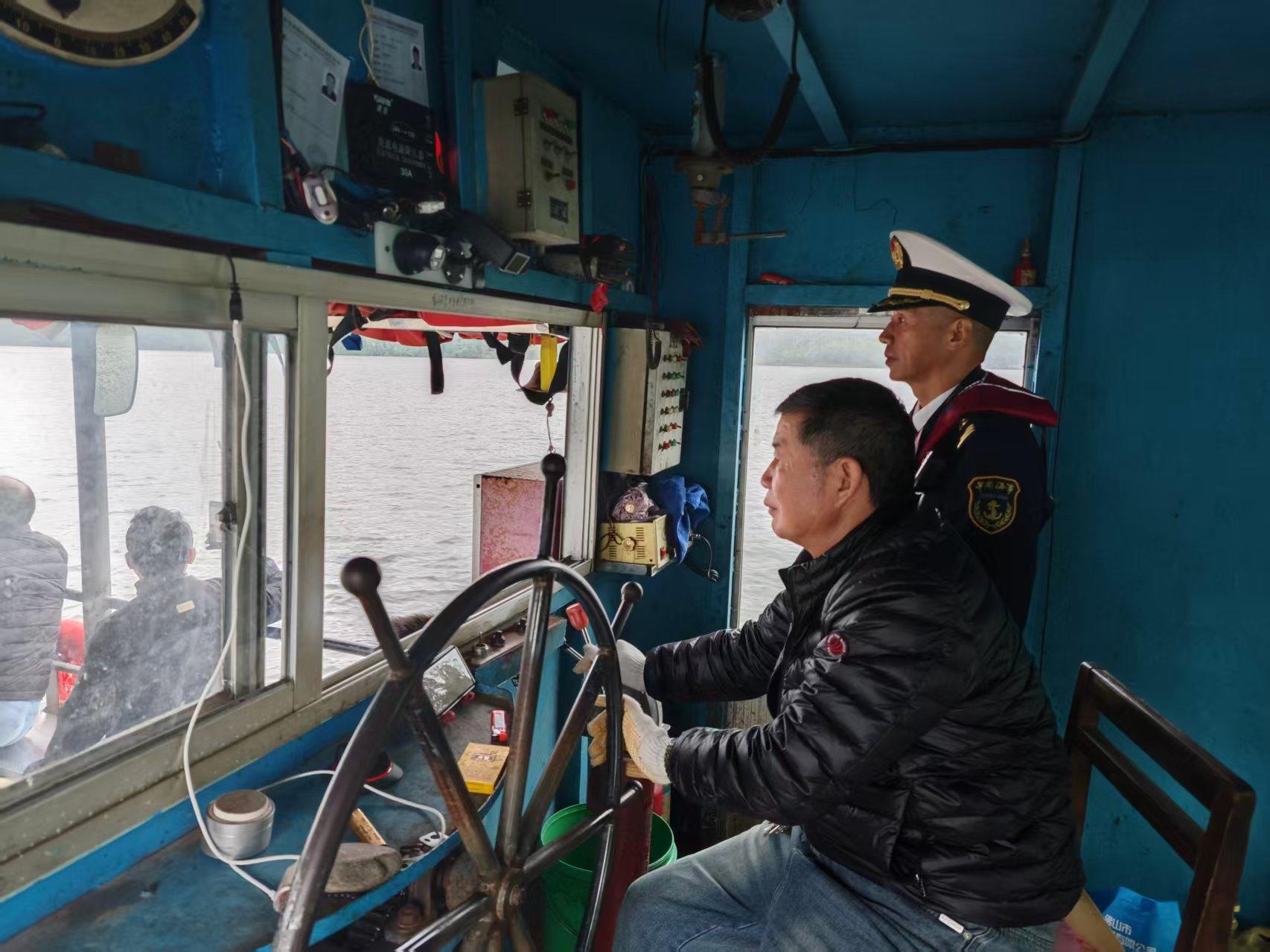
Core Viewpoint - The article highlights the efforts of the Qingyuan Maritime Safety Administration to ensure passenger safety during the New Year holiday by implementing strict safety regulations and monitoring measures for passenger vessels [3][4]. Group 1: Safety Measures - The Qingyuan Maritime Safety Administration has focused on safety supervision of passenger vessels, ensuring that every water travel route is secure for the public during the holiday season [3]. - Emergency response mechanisms are activated during peak travel times, with additional personnel deployed to key ferry terminals to maintain order and prevent overloading [3][4]. - Maritime enforcement officers conduct thorough inspections of vessels, checking firefighting, lifesaving, and navigation equipment, as well as verifying the validity of vessel and crew certificates [4]. Group 2: Technology Integration - The Qingyuan Maritime Safety Administration utilizes technology, such as CCTV monitoring systems and smart maritime platforms, to conduct 24-hour remote surveillance of key water areas [4]. - The monitoring system allows for real-time tracking of passenger vessel activities, ensuring compliance with safety regulations and immediate response to any irregularities [4].
三峡水库完成2025年175米蓄水 重庆海事加强巡查监管保安全
Zhong Guo Xin Wen Wang· 2025-10-24 03:36
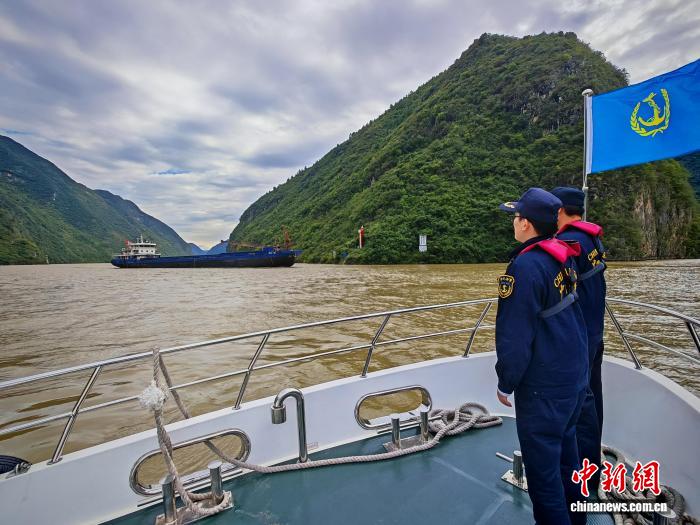
Core Viewpoint - The Three Gorges Reservoir has successfully reached a water level of 175 meters as of October 24, 2023, which marks a significant milestone in its operational capacity [1]. Group 1: Water Level and Navigation Conditions - The water level at the Three Gorges Reservoir increased by approximately 20 meters since the start of the water storage process on September 10, 2023 [2]. - The rise to 175 meters has improved navigation conditions, with the river surface widening and the channel deepening, enhancing the overall efficiency of the "golden waterway" [2]. Group 2: Safety Measures and Monitoring - In response to the new navigation environment, the Chongqing Maritime Safety Administration has implemented comprehensive safety measures to ensure the safety and efficiency of vessel operations [2]. - The administration is closely monitoring water conditions and issuing timely safety alerts, utilizing modern regulatory tools like VTS for dynamic tracking of key vessels and areas [2]. - Increased vigilance is required for potential underwater obstacles and floating debris, especially during the autumn and winter seasons when visibility may be poor [2].
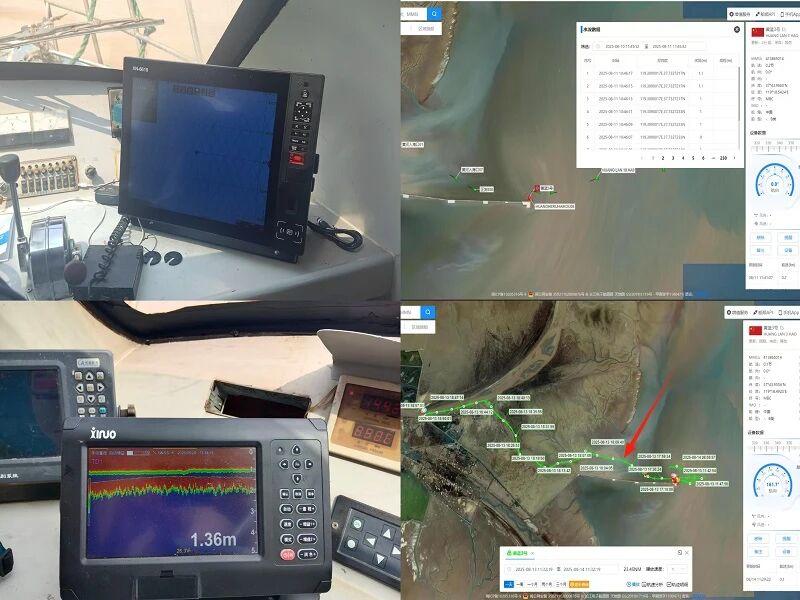
东营海事局破解黄河口客运航线水深动态探测难题
Qi Lu Wan Bao Wang· 2025-09-29 11:50
Core Viewpoint - The Dongying Maritime Bureau is implementing an intelligent monitoring system to address the challenges of rapidly changing water depth at the Yellow River estuary, ensuring safe navigation for passenger ships while enhancing data accuracy and reliability [1][4]. Group 1: Intelligent Monitoring System Development - The Dongying Maritime Bureau is focusing on real-time, precise, and intelligent monitoring of water depth by integrating signal foundations, equipment, and multi-party collaboration [1][3]. - The bureau is actively constructing 5G communication bases and other signal stations in key areas to minimize signal blind spots, facilitating stable real-time data transmission [3][4]. Group 2: Data Collection and Verification - The implementation of the MIBT system, intelligent depth measuring devices, and mobile 5G repeaters on emergency vessels allows for high-frequency data collection, with measurements being transmitted every 2 seconds [3]. - A three-way verification mechanism involving drones, smart devices, and manual checks has been established to ensure data reliability, with measurement errors controlled within 0.1 meters [3][4]. Group 3: Safety and Regulatory Enhancements - The intelligent monitoring system enables comprehensive safety assessments of the Yellow River passenger routes, particularly during peak travel periods, ensuring navigation safety [4]. - The system not only addresses water depth measurement challenges but also supports dual objectives of safety regulation and tourism development, contributing to ecological protection and high-quality development in the Yellow River basin [4][5]. Group 4: Future Optimization Plans - The Dongying Maritime Bureau plans to enhance the effectiveness of the intelligent monitoring system by deepening the application of AI in data analysis for automatic risk warnings and dynamic assessments of navigation capacity [4]. - Regular maintenance and calibration of smart devices will be conducted to ensure long-term stability and reliability of monitoring data [5].