
汽车电器

Search documents
从“单打独斗”到“协同共进” 长江经济带绘制发展新版图
Sou Hu Cai Jing· 2026-01-07 03:22
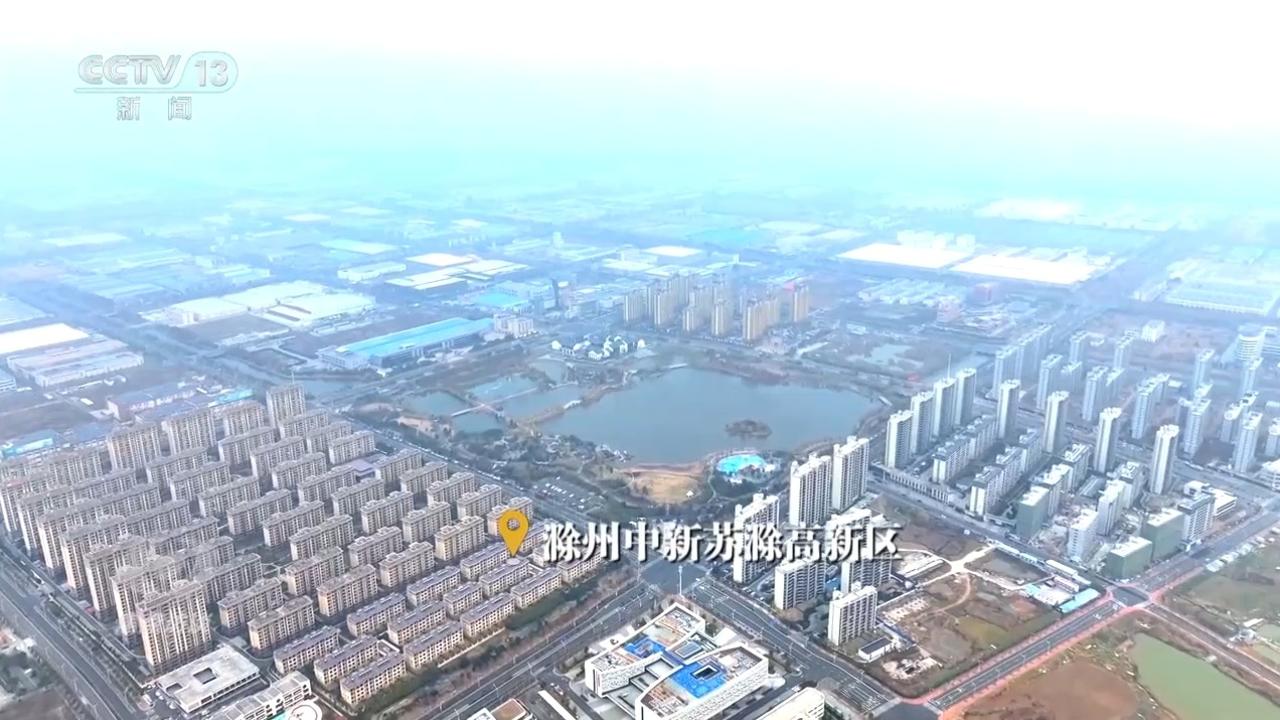
Core Viewpoint - The Yangtze River Economic Belt is a crucial area for technological resources and industrial agglomeration in China, aiming to break administrative barriers for efficient allocation of talent, technology, and capital, and to foster collaborative development among regions [1][9][31] Group 1: Regional Development and Collaboration - Chuzhou, located at the intersection of the Yangtze River Economic Belt and the Yangtze River Delta integration strategy, has become a "bridgehead" for industrial transfer, successfully implementing a model of cross-regional cooperation through the establishment of the Su-Chu High-tech Zone [1][2] - The Su-Chu High-tech Zone has transformed from a traditional rural area to a modern integrated city, attracting over 350 enterprises and investing 50 billion yuan in its development since 2015 [2][3] - The innovative mechanism of "separation of management and operation" in the Su-Chu High-tech Zone combines market experience from Suzhou with local government service capabilities, enhancing operational efficiency [3][7] Group 2: Talent and Innovation - The shortage of high-end talent is a significant barrier for companies in the Jiangxi province, prompting the local government to integrate deeply into the G60 Science and Technology Innovation Corridor, which connects nine cities in the Yangtze River Delta [12][13] - The "Innovation Land" model in Jiangxi allows for cross-regional collaborative innovation, enabling companies to benefit from shared resources and support from educational institutions [15][16] - The establishment of a comprehensive service system for technology sharing, talent recognition, and financial support within the G60 corridor exemplifies the collaborative efforts to overcome talent shortages [16][19] Group 3: Economic Impact and Future Prospects - The Yangtze River Economic Belt has contributed nearly half of China's GDP while accounting for about one-third of the country's energy consumption and carbon emissions, with its GDP share increasing from 42.2% to 47.3% over the past decade [28] - The coordinated development strategy across the Yangtze River Economic Belt is transforming traditional economic areas into green frontiers, promoting sustainable growth through transportation connectivity and ecological cooperation [29][31] - The future of the Yangtze River Economic Belt is expected to see tighter inter-regional collaboration and continued institutional innovation, enhancing its role as a vital economic corridor in China [31]

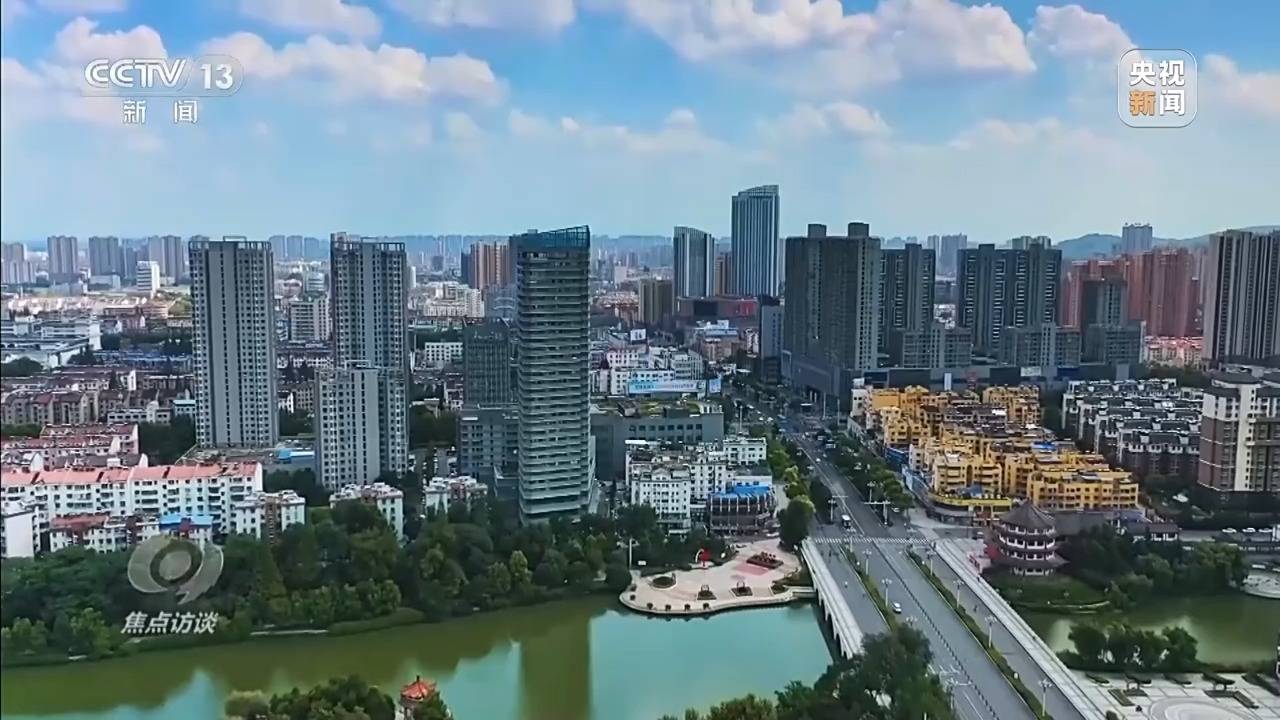
焦点访谈|以高水平协同推动长江经济带高质量发展
Yang Shi Wang· 2026-01-06 13:24
Core Viewpoint - The Yangtze River Economic Belt is a crucial area for technological resources and industrial aggregation in China, aiming to break administrative barriers for efficient allocation of talent, technology, and capital, and to foster collaborative development among regions [1][12]. Group 1: Regional Development Practices - Chuzhou, located at the intersection of the Yangtze River Economic Belt and the Yangtze River Delta integration strategy, has become a "bridgehead" for industrial transfer, successfully implementing a cross-regional cooperation model through the establishment of the Su-Chu High-tech Zone [1][3]. - The Su-Chu High-tech Zone has transformed from 4 enterprises to over 350, with a total investment of 50 billion yuan, showcasing a shift from traditional rural areas to a modern integrated city [3][5]. - The zone emphasizes a "production-driven city, city-promoting production" approach, creating a "15-minute living circle" and integrating high-quality educational resources from Nanjing and Shanghai [3][5]. Group 2: Innovative Mechanisms - The dual-subject operation model in the Su-Chu High-tech Zone involves collaboration between the local government and a joint venture with the China-Singapore Group, establishing a market-oriented operation system that includes investment, operation, and service [5][10]. - Jiangxi Shangrao has explored a "go out" collaborative development path by integrating into the G60 Science and Technology Innovation Corridor, which connects nine cities and hosts 59,000 high-tech enterprises [7][8]. - The "Innovation Flying Land" model in Shangrao allows for cross-regional collaborative innovation, addressing the shortage of high-end talent by establishing a government-led innovation platform [7][8]. Group 3: Economic Contributions and Future Outlook - The Yangtze River Economic Belt has contributed nearly half of China's GDP, with its share increasing from 42.2% to 47.3% over the past decade, while also accounting for about one-third of national energy consumption and carbon emissions [12][14]. - The region is expected to achieve higher levels of coordinated development through strategic integration and collaboration among various economic zones, enhancing the overall economic landscape of China [14]. - The future development of the Yangtze River Economic Belt will focus on creating a green development axis that integrates innovation, industry, and ecology, supported by deep institutional innovations [12][14].
昆山沪光汽车电器股份有限公司关于使用部分闲置募集资金进行现金管理的进展公告
Shang Hai Zheng Quan Bao· 2025-11-04 19:35
Core Viewpoint - The company, Kunshan Huguang Automotive Electric Co., Ltd., has announced the use of part of its idle raised funds for cash management, aiming to enhance the efficiency of fund utilization and achieve capital preservation and appreciation [2][3]. Investment Overview - **Investment Purpose**: The company intends to utilize part of its idle raised funds for cash management while ensuring the normal operation of fundraising projects and the safety of the raised funds [3]. - **Investment Amount**: A total of RMB 280 million will be used for cash management from the temporarily idle raised funds [3]. - **Source of Funds**: The cash management funds will come from the temporarily idle raised funds of the company and its wholly-owned subsidiary, Kunshan Zexuan Automotive Electric Co., Ltd. [4]. Fundraising Details - **Fundraising Background**: The company raised a total of RMB 884.999 million through the issuance of 27,264,325 shares at a price of RMB 32.46 per share, with a net amount of RMB 870.488 million after deducting related fees [5]. - **Fund Management**: The raised funds are stored in a dedicated account, and the company has implemented a special account storage system for the raised funds [5]. Cash Management Strategy - **Investment Method**: The cash management products selected are characterized by high safety and good liquidity, ensuring that the use of raised funds does not deviate from its intended purpose [8]. - **Current Cash Management Status**: As of the announcement date, the company has not previously used idle raised funds for cash management, and the total unused balance for cash management is RMB 280 million [9]. Impact on the Company - The use of idle raised funds for cash management will not affect the normal operation of the company's daily business and is expected to generate certain investment returns, thereby enhancing the overall performance of the company and providing better returns for shareholders [11].

沪光股份: 关于香港全资子公司完成工商注册登记的公告
Zheng Quan Zhi Xing· 2025-05-26 09:20
Group 1 - The company has approved the establishment of a wholly-owned subsidiary in Hong Kong with a registered capital of 2 million RMB [1] - The subsidiary, named Huguang (Hong Kong) International Company Limited, has completed its registration and obtained the necessary certificates from the Hong Kong Companies Registry [1] - The registered address of the subsidiary is Unit No.6903B, 69/F, International Commerce Centre, 1 Austin Road West, Hong Kong, and it was established on May 22, 2025 [1]