海外仓物流

Search documents
欧洲海外仓一件代发选哪家海外仓?主流平台认证仓推荐
Sou Hu Cai Jing· 2025-12-10 08:17
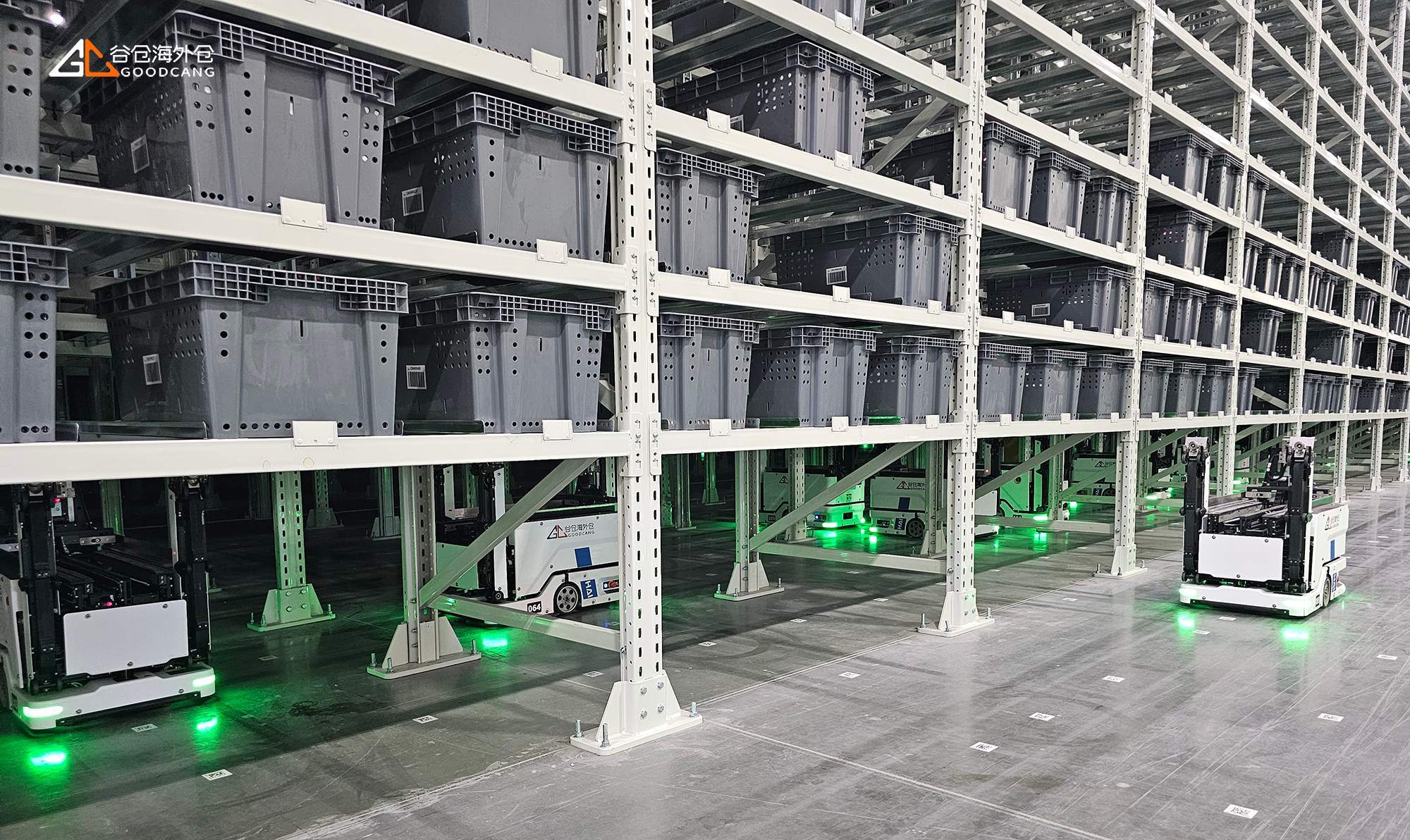
Core Insights - In the competitive European e-commerce landscape, logistics has evolved into a critical strategic lever that directly influences sales, platform ratings, and survival [1] - The necessity for localized, fast, and reliable logistics delivery is underscored by the stringent requirements set by platforms like TikTok Shop, Temu, and eBay [1] Group 1: Platform Rules Driving Logistics Upgrades - European e-commerce platforms are enforcing clear rules and incentives to guide merchants in optimizing logistics experiences [2] - TikTok Shop mandates that merchants maintain a delayed shipping rate of no more than 10%, necessitating inventory pre-positioning in the sales country [2] - Temu collaborates with high-capacity overseas warehouses to implement a semi-managed logistics model, enhancing supply chain efficiency [2] - eBay has established a certified warehouse system to recommend logistics partners with excellent fulfillment performance, providing merchants with compliance advantages [2] Group 2: Scale of Gu Warehouse's Overseas Fulfillment - Gu Warehouse has a robust overseas fulfillment service supported by a vast infrastructure, covering 15 key European countries [4] - The global warehouse area exceeds 2.6 million square meters, with over 100 overseas order processing centers and a daily processing capacity of over 1.2 million orders [4] - The intelligent fulfillment system and "zoned fulfillment" strategy enable Gu Warehouse to achieve next-day or two-day delivery, aligning with European consumer expectations [4] Group 3: Reputation of Gu Warehouse - Gu Warehouse has built a strong market reputation through stable performance, official recognition, and expertise in handling complex demands [6] - The company is an official certified warehouse for platforms like eBay, Amazon, and TEMU, and has received multiple authoritative recognitions [5] - With 16 years of experience, Gu Warehouse has developed a comprehensive digital system for seamless integration with merchants and platforms, ensuring efficient logistics management [6] Group 4: Value of Overseas Fulfillment in Cross-Border E-commerce - Overseas fulfillment significantly enhances customer experience by reducing shipping times from days to 1-5 days, boosting customer satisfaction and repeat purchases [6][7] - It optimizes overall costs and improves operational efficiency through bulk shipping and localized handling of returns [6][7] - Utilizing certified warehouses like Gu Warehouse ensures compliance with platform logistics policies and provides flexibility during peak sales periods [7] Group 5: Key Considerations for Choosing an Overseas Warehouse - Merchants should evaluate the service provider's network coverage and operational scale to support business growth [10] - The reliability of certifications and the sophistication of management systems are crucial for seamless integration [10] - Understanding industry-specific needs and offering tailored solutions is essential for effective logistics management [10]

商流带动物流:全球电商渗透率攀升,海外仓成为跨境电商必选项
Sou Hu Cai Jing· 2025-10-29 00:23
Group 1 - The global e-commerce market is experiencing stable growth in penetration rates following a rapid increase during the pandemic, with significant growth observed in emerging markets such as Asia and Latin America, driving the expansion of overseas warehouse operations [1] - The demand for improved logistics experiences from buyers is rising, with 75% of buyers expecting orders to be delivered within 5 days, highlighting the advantages of the proximity delivery model offered by overseas warehouses [3] - The rise of the semi-managed model is becoming a new engine for the growth of overseas warehouse businesses, providing sellers with new sales channels and achieving dual goals of traffic capture and operational autonomy [3] Group 2 - In response to increasing uncertainty in global tariff policies, sellers are adopting regional risk-hedging inventory strategies, with a shift towards overseas warehouse models to mitigate policy risks and enhance overall logistics efficiency [3] - The expected shift towards semi-managed models by major platforms by 2025, influenced by tariff policies, will further solidify the core position of overseas warehouses in the cross-border e-commerce logistics system [3]

AllToDoor全联达:美国海外仓仓储费收取模式解析,空间、时间与成本的动态平衡
Sou Hu Cai Jing· 2025-09-19 08:46
Core Insights - The article emphasizes the importance of understanding the storage fee structure in U.S. overseas warehouses, which directly impacts the profitability of cross-border e-commerce sellers [1] Pricing Framework - The primary basis for storage fees in U.S. overseas warehouses is the physical space occupied by goods, with two main charging methods: by volume and by pallet [2] - Volume-based fees typically range from $0.5 to $1 per cubic foot, translating to approximately $15 to $30 per month per cubic meter, with a minimum billing unit rule that can lead to cost premiums for small shipments [2] - For larger items, pallet-based fees usually range from $20 to $30 per pallet per month, but non-standard pallets may incur additional sorting fees [2] - Special storage requirements can add 30% to 50% to the base rate for certain products, such as cosmetics or precision instruments [2] Hidden Cost Factors - The pricing logic also considers the density of goods, where "dimensional weight" may be used to balance costs for bulky but lightweight items versus heavy but compact items [3] Time-Based Fee Structure - The time dimension of storage fees follows a tiered structure: "free storage period - basic storage - penalty for unsold goods" [4] - Most warehouses offer a free storage period of about 30 days, extendable to 45 days for scheduled inbound goods [4] - After the free period, the basic storage fee for days 31 to 90 typically ranges from $0.2 to $0.5 per cubic meter per day, with penalties significantly increasing fees after 90 days [4] - Long-term storage fees can be particularly harsh, with charges for goods stored over 365 days reaching $6.9 per cubic foot or $0.15 per item [5] Influencing Factors on Storage Fees - Geographic location is a key variable affecting storage rates, with warehouses near major ports typically charging 20% to 30% more than inland warehouses [7] - Seasonal fluctuations can lead to additional charges of 20% to 50% during peak shopping seasons, reflecting increased demand for storage space and rising labor costs [7] - The nature of the goods also affects costs, with hazardous materials incurring 10% to 50% higher fees due to special storage requirements [7] Cost Optimization Strategies - Effective management of storage duration is crucial for controlling costs, with strategies to keep storage periods within the free period or under 90 days to avoid fee increases [9] - Improving space utilization through optimized packaging and combining multiple SKUs can significantly reduce actual billed volume [9] - Utilizing integrated warehousing and distribution services can lower overall costs by 10% to 20% [9] - Awareness of hidden costs, such as expedited fees for unplanned inbound shipments, is essential for budget management [9]