海洋资源开采

Search documents
日本从海底采出稀土泥,产业化面临难题
日经中文网· 2026-02-03 02:53
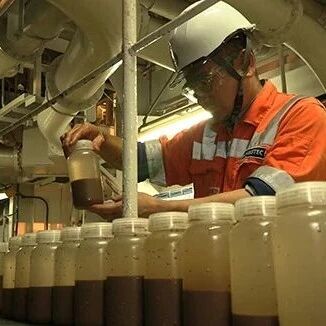
Core Viewpoint - Japan has successfully extracted rare earth mud from the seabed at a depth of 6000 meters in the South Bird Island area, which could enhance its economic security by reducing reliance on China, which currently produces 70% of the world's rare earths. However, challenges related to technology and profitability remain [2][8]. Extraction Process - The exploration vessel "Earth" departed from Shimizu Port on January 12 and arrived at the designated test mining area on January 17. Approximately 600 pipes, each about 10 meters long, were connected to extract the seabed mud, which was confirmed to contain rare earth elements on February 1 [3][5]. Composition of Extracted Mud - The extracted mud contains high concentrations of six or more rare earth elements, including dysprosium, neodymium, and gadolinium, which are essential for high-performance magnets used in electric vehicle motors, as well as yttrium and gadolinium for LEDs and superconductors [5][10]. Future Plans and Testing - The extraction is part of a larger research project called the Strategic Innovation Creation Program (SIP), with plans for large-scale testing in February 2027. The goal is to verify the ability to extract 350 tons of seabed mud daily and to develop facilities for processing the mud [7][8]. Challenges in Technology and Profitability - The main challenges include establishing extraction and refining technologies. The extraction process may utilize techniques from the oil industry, but remote operation of seabed mining machines is technically complex. The profitability of the project is also in question due to high operational costs associated with the deep-sea extraction [8][10]. Economic Security and International Considerations - Even if profitability is low, possessing rare earth production technology is deemed crucial for economic security. Japan's ability to secure supply channels in emergencies is emphasized. Additionally, Japan needs international understanding to advance its development plans, as there are currently no established international rules for marine mineral resource commercialization [11][12].

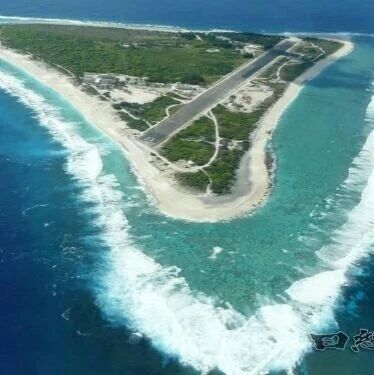
日本拟2027年之前在南鸟岛建稀土泥处理设施
日经中文网· 2025-12-23 02:57
Core Viewpoint - Japan is focusing on developing domestic rare earth resources to ensure economic security, particularly in light of the fact that China dominates approximately 70% of global production. The South Bird Island area is rich in rare earth mud, which is crucial for high-tech industries like electric vehicles (EVs) [4]. Group 1 - The Japanese government plans to construct a facility for processing rare earth-containing marine mud on South Bird Island by 2027 as part of the "Strategic Innovation Creation Program (SIP)" [2]. - The rare earth mud in the South Bird Island area has been found to contain minimal harmful radioactive substances, making it easier to process [4]. - A trial for recovering rare earths from the seabed at a depth of about 6000 meters is set to begin in 2026, with the aim of confirming the ability to collect 350 tons of rare earth mud daily during the official trial in February 2027 [5]. Group 2 - The processing facility on South Bird Island will utilize a dehydration device similar to a washing machine to remove seawater from the mud, reducing its volume to one-fifth of the original, thus facilitating efficient transportation [5]. - After the dehydration process, the rare earth mud will be transported to Japan's mainland for further separation and verification of the extraction process [5].