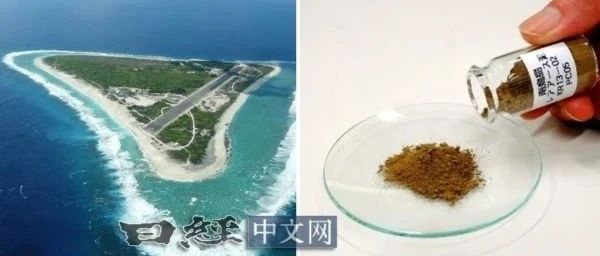
稀土泥

Search documents
日本完成南鸟岛海底稀土泥试采
日经中文网· 2026-02-15 08:06
Core Viewpoint - Japan has successfully achieved the world's first continuous recovery of rare earth mud from a depth of 5,569 meters, with plans for large-scale trials in 2027 to verify a recovery capacity of approximately 350 tons of mud per day, aiming for industrialization post-2028 fiscal year [1][4][6]. Group 1: Project Overview - The project is led by Japan's Cabinet Office and is part of the Strategic Innovation Promotion Program (SIP), focusing on the utilization of seabed resources [1][4]. - The SIP project began in 2014, with the first phase focusing on next-generation marine resource investigation technology, and has progressed to experimental mining at a depth of about 6,000 meters near Minami-Torishima [2][6]. - A large-scale verification test is planned for February 2027, with the goal of establishing a domestic production industry for rare earth elements by the end of the 2028 fiscal year [2][6]. Group 2: Resource Potential and Economic Implications - The seabed near Minami-Torishima is estimated to contain over 16 million tons of rare earth resources, including heavy rare earth elements essential for high-performance magnets used in electric vehicles and nuclear reactor control systems [6][4]. - Currently, approximately 70% of global rare earth production is dominated by China, and Japan relies on China for 63% of its rare earth imports as of 2024, highlighting the need for domestic supply chain development [6][7]. Group 3: Challenges and Future Prospects - Japan faces significant challenges in utilizing seabed resources, including the lack of existing rare earth refining equipment and the need to build infrastructure from scratch [6][7]. - The economic viability of seabed mining remains uncertain, as the project heavily relies on government subsidies, raising concerns about market competitiveness and profitability [7]. - Despite these challenges, there is a viewpoint that developing the technology to establish a domestic supply chain is crucial for Japan's economic security and potential industrial competitiveness as a maritime nation [7].

能源早新闻丨吊装成功!
中国能源报· 2026-02-04 22:32
Group 1: Energy Sector Developments - The total income of central enterprise leaders in the energy sector is composed of annual salary and term incentive income, with the latter being distributed every three years. The companies involved include major players like China National Petroleum Corporation and State Grid Corporation of China [2] - China’s crude oil production reached a historical high of 216 million tons, while natural gas production (including coal-derived gas) was 2,638 billion cubic meters, marking a continuous increase of over 10 billion cubic meters for nine consecutive years [3] - Sinopec reported advancements in the industrial application of medium and deep geothermal resources, successfully replacing traditional gas heating with heat extracted from 3,200 meters underground [6] Group 2: Infrastructure and Technological Advancements - Beijing has achieved full coverage of supercharging stations across its highway service areas, with 42 supercharging stations built and 530 charging piles installed, resulting in a 26% ratio of charging spaces to small car parking spaces [4] - The Jiangxi Provincial Development and Reform Commission announced a public list of proposed zero-carbon parks, including 15 parks such as Nanchang High-tech Industrial Development Zone and Jiujiang Economic and Technological Development Zone [4] Group 3: Nuclear Energy Developments - The installation of the inner dome of the Unit 3 of Zhangzhou Nuclear Power, utilizing China's self-developed third-generation nuclear technology "Hualong One," has been successfully completed, marking a transition from construction to equipment installation [3]

日本公开采集稀土泥全过程
中国能源报· 2026-02-04 03:52
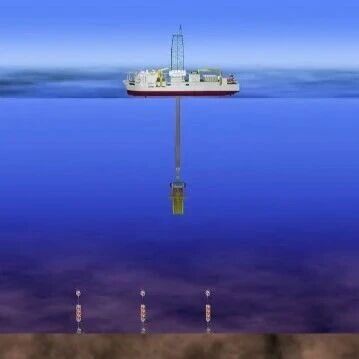
Core Viewpoint - Japan's Cabinet Office announced successful extraction of rare earth mud from the Minami-Torishima sea area, with potential commercial mining starting in February 2027 if experiments succeed. However, Japanese media express doubts about the feasibility of deep-sea rare earth mining [1]. Group 1: Industry Insights - Rare earth elements are critical materials for manufacturing chips, electric vehicles, and weapons, with China controlling nearly 70% of global rare earth production [1]. - The primary challenges facing the industry include the technology required for extraction and refining, as well as the substantial costs associated with the necessary equipment and vessels [1]. Group 2: Environmental Concerns - Environmental issues pose a significant barrier, with organizations warning that deep-sea mining could damage fragile marine ecosystems [2].
日本公开采集稀土泥全过程
财联社· 2026-02-04 02:38
Core Viewpoint - Japan's Cabinet Office announced the successful extraction of rare earth mud from the Minami-Torishima sea area, with plans to potentially start commercial mining by February 2027 if experiments are successful. However, there are doubts regarding the feasibility of deep-sea rare earth mining, as China currently holds nearly 70% of global rare earth production [1][2]. Group 1 - Japan aims to initiate commercial mining of rare earths by February 2027, contingent on successful experimental results [1]. - Rare earths are critical materials for manufacturing chips, electric vehicles, and weapons [1]. - The feasibility of deep-sea mining is questioned by Japanese media [1]. Group 2 - The primary challenges include the technology for extraction and refining, which require significant investment in equipment and vessels [2]. - Environmental concerns pose a major obstacle, with warnings from environmental organizations about the potential damage to fragile marine ecosystems due to deep-sea mining [2].
日本从海底采出稀土泥,产业化面临难题
3 6 Ke· 2026-02-03 04:20
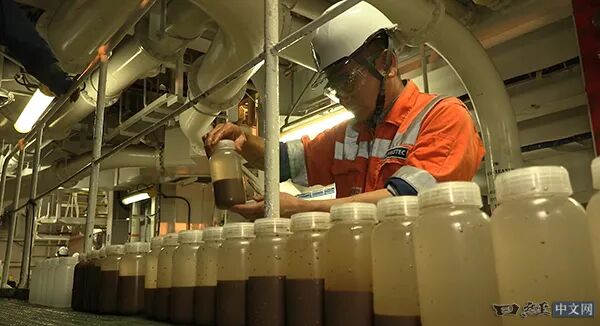
Core Viewpoint - Japan has successfully extracted rare earth mud from the seabed at a depth of 6000 meters in the South Bird Island area, which could enhance its economic security by reducing reliance on China, which currently produces 70% of the world's rare earth elements. However, challenges related to technology and profitability remain [2][6]. Group 1: Extraction Process - The exploration vessel "Chikyu" departed from Shimizu Port on January 12 and reached the designated trial mining area on January 17. It used approximately 600 pipes, each about 10 meters long, to extract mud from the seabed [3]. - The first batch of rare earth mud was confirmed to be collected on February 1, containing high concentrations of elements such as dysprosium, neodymium, and gadolinium, which are essential for high-performance magnets used in electric vehicle motors [3][6]. Group 2: Future Plans and Industrialization - The extraction is part of a larger research project called the "Strategic Innovation Creation Program (SIP)," with plans for large-scale verification tests in February 2027. The goal is to establish the capability to extract 350 tons of seabed mud daily [5]. - Japan aims to develop facilities for dewatering the mud and extracting rare earth elements, accumulating experience for industrialization post-2028 [5]. Group 3: Technical and Economic Challenges - Significant challenges include establishing extraction and refining technologies. The complexity of deep-sea operations and the high costs associated with the distance from Tokyo and the depth of the seabed are major concerns [6][8]. - The profitability of the project is questioned due to the high costs of equipment and operations required for extraction at such depths [8]. Group 4: Economic Security and International Considerations - Despite potential low profitability, possessing rare earth production technology is deemed crucial for economic security, ensuring supply channels during emergencies [9]. - Japan's development of marine mineral resources requires international understanding, as there are currently no established global rules for seabed resource exploitation [9].
日本从海底采出稀土泥,产业化面临难题
日经中文网· 2026-02-03 02:53
Core Viewpoint - Japan has successfully extracted rare earth mud from the seabed at a depth of 6000 meters in the South Bird Island area, which could enhance its economic security by reducing reliance on China, which currently produces 70% of the world's rare earths. However, challenges related to technology and profitability remain [2][8]. Extraction Process - The exploration vessel "Earth" departed from Shimizu Port on January 12 and arrived at the designated test mining area on January 17. Approximately 600 pipes, each about 10 meters long, were connected to extract the seabed mud, which was confirmed to contain rare earth elements on February 1 [3][5]. Composition of Extracted Mud - The extracted mud contains high concentrations of six or more rare earth elements, including dysprosium, neodymium, and gadolinium, which are essential for high-performance magnets used in electric vehicle motors, as well as yttrium and gadolinium for LEDs and superconductors [5][10]. Future Plans and Testing - The extraction is part of a larger research project called the Strategic Innovation Creation Program (SIP), with plans for large-scale testing in February 2027. The goal is to verify the ability to extract 350 tons of seabed mud daily and to develop facilities for processing the mud [7][8]. Challenges in Technology and Profitability - The main challenges include establishing extraction and refining technologies. The extraction process may utilize techniques from the oil industry, but remote operation of seabed mining machines is technically complex. The profitability of the project is also in question due to high operational costs associated with the deep-sea extraction [8][10]. Economic Security and International Considerations - Even if profitability is low, possessing rare earth production technology is deemed crucial for economic security. Japan's ability to secure supply channels in emergencies is emphasized. Additionally, Japan needs international understanding to advance its development plans, as there are currently no established international rules for marine mineral resource commercialization [11][12].
中国稀土(5)沉睡日本海底的中重稀土
日经中文网· 2025-06-24 02:39
Core Viewpoint - Japan has discovered a significant amount of rare earth mud around Minami-Torishima, with reserves exceeding 16 million tons, ranking third globally. Approximately 50% of this mud contains medium and heavy rare earth elements, which are subject to export controls by China, highlighting the importance of securing these resources for Japan's domestic industries [1][2]. Group 1 - The potential rare earth resources in Japan's waters were identified by a research team from the University of Tokyo in 2013, with the Minami-Torishima area alone estimated to hold over 16 million tons of rare earths [2]. - The Japanese government plans to initiate the development of rare earth mud starting in 2025, with a goal to establish a production system by 2028 [2][3]. - The economic feasibility of extracting rare earth mud has been evaluated, indicating that if 3,500 tons are harvested daily, profitability can be achieved across various price ranges over the past 20 years [2][3]. Group 2 - The Strategic Innovation Promotion Program (SIP) aims to extract 350 tons of rare earth mud daily after January 2027, with a focus on increasing extraction volumes [3]. - There are significant technical challenges in refining the extracted mud to usable purity levels, and environmental impacts must also be assessed [3][4]. - The geopolitical tensions between the U.S. and China have increased uncertainty in rare earth procurement, leading to production halts in some automotive and parts manufacturers in Europe and the U.S. [3][4]. Group 3 - The high barriers to entry for domestic rare earth mining and refining pose a risk to Japan's high-tech industry development, necessitating continuous technological innovation, including resource conservation and recycling [4].