
珠宝首饰加工

Search documents
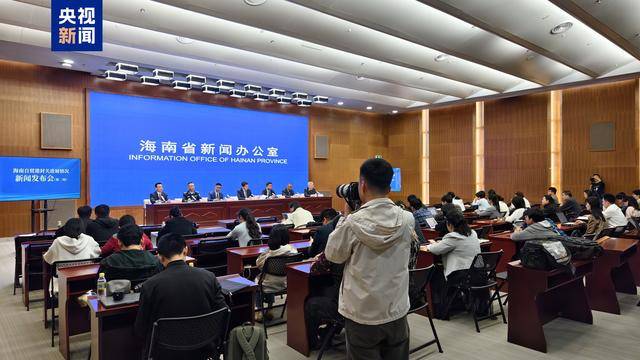
海南封关首月:封关政策全面实施 开放引力显著增强
Sou Hu Cai Jing· 2026-01-19 12:56
Core Insights - The Hainan Free Trade Port has fully implemented its closure policies, including "zero tariffs," tax exemptions for processing and value-added goods, and relaxed trade management measures, significantly enhancing its attractiveness for investment and trade [3][5]. Group 1: Policy Implementation - The "zero tariff" policy has been expanded, with 30 entities importing zero-tariff goods worth 750 million yuan, covering 37 product categories, primarily including crude oil and mineral products [5]. - The processing and value-added tax exemption policy has shown significant effects, with 30 companies exporting goods worth 85.87 million yuan, resulting in a tax exemption of 3.318 million yuan, mainly in the chemical, medical, and food sectors [5]. - Trade management measures have been relaxed, allowing for breakthroughs in the import of bonded maintenance goods valued at 347,000 yuan [5]. Group 2: Consumer Activity - The demand for duty-free shopping has surged, with the total amount of duty-free shopping monitored by customs reaching 4.86 billion yuan, with 745,000 shoppers and 3.494 million items purchased, reflecting increases of 95.2%, 57.4%, and 68.6% respectively [5]. - The sales of electronic consumer products have become a major driver, with sales reaching 22.74 million yuan, catering to diverse shopping needs [5]. - The new "immediate purchase and pick-up" policy has led to shopping amounts of 28.87 million yuan from local residents, marking a 28.2% increase [5]. Group 3: Economic Activity - The release of policy benefits has boosted market confidence, with the number of approved entities enjoying "zero tariffs" reaching 10,038 and 112 companies registered for processing and value-added tax exemptions [5]. - A total of 5,132 new foreign trade enterprises have been registered, including 113 new foreign-invested companies, marking a historic milestone with over 100,000 registered enterprises [5]. - Preliminary statistics indicate that Hainan's total foreign trade import and export value has exceeded 27 billion yuan [5].

解读黄金税收政策调整
Jin Shi Shu Ju· 2025-11-06 03:06
Core Viewpoint - The newly announced tax policies regarding gold by the Ministry of Finance and the State Administration of Taxation are set to enhance the importance of regulated gold exchanges, improve international gold pricing power, and potentially increase the processing costs of non-investment gold products, leading to higher retail prices [1][2][4]. Group 1: Market Impact - The policies are expected to strengthen the dominant position of the Shanghai Gold Exchange and the Shanghai Futures Exchange, enhancing their influence in international gold pricing [2][4]. - The new tax regulations will likely reduce the viability of private gold trading by increasing compliance costs and tax burdens, encouraging clients to engage in transactions through regulated exchanges [2][5]. - The cost of gold for jewelry and other industrial uses may rise by approximately 7%, impacting end-user prices [3][10]. Group 2: Structural Changes - The policies aim to guide the gold market from "off-market dispersion" to "on-market concentration," promoting standardized trading and enhancing market regulation [4][6]. - The tax adjustments are designed to block potential tax arbitrage opportunities and encourage a more regulated market environment [5][6]. - The changes will compel downstream processing companies to transition from basic raw material handling to higher value-added creative and innovative product development [10]. Group 3: Tax Implications - Investment-grade gold transactions will continue to benefit from immediate tax refunds, while non-investment products will face a 7% effective tax burden after deductions [7][10]. - E-commerce platforms that have integrated with the tax system may see short-term price increases for non-member unit gold sales due to the lack of tax benefits [9]. - The absence of new tax regulations for individuals selling previously owned gold means that personal impacts remain limited, although future sales may require proper invoicing to avoid tax liabilities [9][10].
