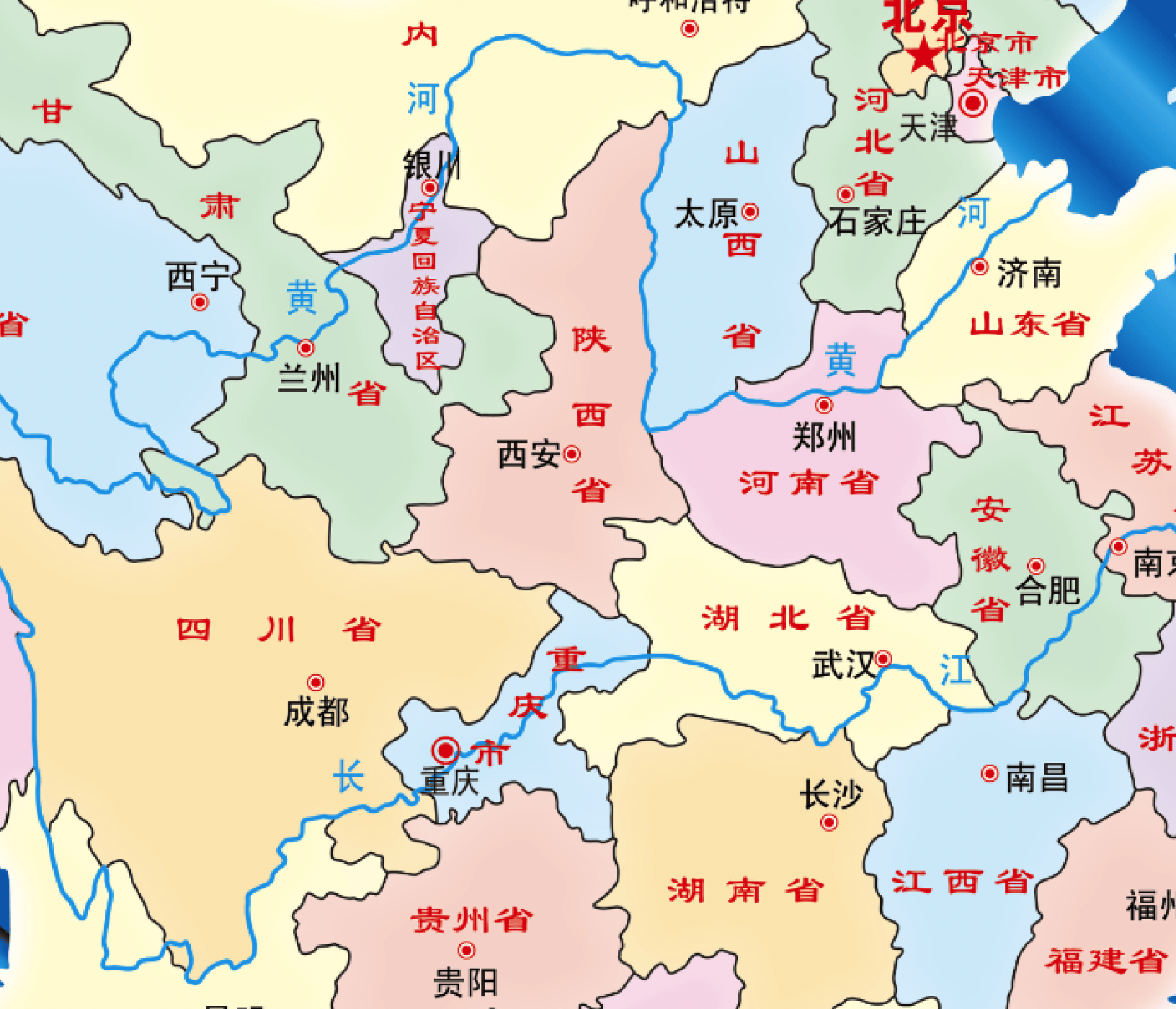
电子地图

Search documents
地图3.0时代,花瓣地图交出的差异化答卷
36氪· 2026-01-23 13:35
Core Viewpoint - The map industry is experiencing a transformation driven by traditional map providers entering local services and hardware manufacturers like Huawei with their Petal Maps, indicating a shift in business models and technological advancements [3][4]. Group 1: Industry Trends - The map market has seen a trend of increasing terminal devices, evolving from computers to smartphones, car systems, and wearables, while navigation technology has progressed from offline to real-time and from 2D to 3D [4]. - The demand for map services has evolved from basic geographic information to real-time navigation and specialized environment support, indicating a continuous expansion of service capabilities [4]. - The map industry is characterized as an "infinite game," where the boundaries are constantly extended by technological and ecological advancements, with key players emerging over time [4]. Group 2: Huawei Petal Maps Innovations - Huawei Petal Maps aims to create a comprehensive map experience by addressing real pain points rather than merely adding features, utilizing a "soft-hard-core-cloud" technology approach [7]. - The introduction of a micro-core map engine allows for significant power savings, achieving up to 50% reduction in navigation power consumption and extending battery life to 36 hours [9]. - Petal Maps features outdoor route signal maps, enabling users to anticipate signal loss in remote areas, enhancing safety and navigation reliability [9][10]. Group 3: Cross-Device Integration - The challenge of seamless navigation across devices (car, phone, watch) is addressed by Huawei's HarmonyOS, which allows for data sharing without complex format conversions [12][17]. - Petal Maps supports independent operation on smartwatches, providing navigation without relying on smartphones, thus enhancing user experience [13]. - The system enables smooth data flow between devices, allowing users to plan routes on one device and have them automatically sync across others, eliminating the need for repeated input [17]. Group 4: Ecosystem Collaboration - The integration of map services with other applications, such as Xiaohongshu, allows users to easily add locations to their navigation plans, enhancing the overall user experience [21]. - Petal Maps collaborates with outdoor applications to offer over 10,000 curated routes, catering to various levels of outdoor activities and providing detailed information for users [24]. - The service has expanded its capabilities for international travel through partnerships with local tourism boards, enhancing navigation and planning for users abroad [25]. Group 5: Future Outlook - The map industry is poised for further growth as smart vehicles and wearable devices become more prevalent, with full terminal collaboration and ecosystem integration becoming essential for all players [27]. - Continuous technological advancements and the diversification of service scenarios will ultimately lead to a more user-friendly navigation experience, reducing travel anxiety and enhancing freedom in journeys [30].


中国电子地图(数字地图)行业趋势观察及投资商机分析报告2025-2031年
Sou Hu Cai Jing· 2025-05-27 11:41
Core Insights - The report analyzes the trends and investment opportunities in the Chinese electronic map industry from 2025 to 2031, highlighting the rapid growth and technological advancements in this sector [1]. Section Summaries Section 1: Overview of Electronic Maps - Electronic maps possess unique features and functionalities, including navigation maps, multimedia maps, and web maps [3]. - The comparison between electronic maps and traditional paper maps emphasizes the advantages of digital formats [3]. Section 2: Global Electronic Map Industry Analysis (2021-2025) - The global electronic map industry is experiencing significant technological advancements and market dynamics [3]. - Monthly website traffic for global map services has reached substantial levels, indicating growing user engagement [3]. Section 3: Chinese Electronic Map Industry Environment (2021-2025) - The macroeconomic environment in China, including GDP growth and industrial development, is analyzed to understand its impact on the electronic map market [3]. - Government policies and standards related to electronic maps are crucial for industry regulation [3]. Section 4: Current State of China's Electronic Map Industry (2021-2025) - The report highlights the rapid development of in-car navigation electronic maps and the significant market potential for mobile navigation maps [4]. - The industry is characterized by a few dominant players, indicating a monopolistic trend [4]. Section 5: Market Dynamics and Trends (2021-2025) - The report discusses the increasing integration of electronic maps into various aspects of daily life, driven by technological advancements [4]. - Issues such as piracy and the need for resource reallocation in the electronic map service market are identified [4]. Section 6: Competitive Landscape (2021-2025) - The competition within the electronic map industry is intense, with a focus on information services as a key competitive factor [4]. - The report analyzes market concentration and regional competition dynamics [4]. Section 7: Key Players in the Electronic Map Industry - Detailed analysis of major companies such as Beijing Four Dimensions Map Technology Co., Ltd. and their financial performance metrics [5][6]. Section 8: Future Outlook (2025-2031) - The report predicts significant growth in the electronic map market, particularly in car navigation and mobile navigation sectors [5]. - The potential for online electronic maps is highlighted as a promising area for future development [8]. Section 9: Investment Opportunities and Strategies (2025-2031) - The report identifies regional investment opportunities and the expected growth in demand for electronic maps [8]. - It discusses the investment characteristics and policy implications for the electronic map industry [8].