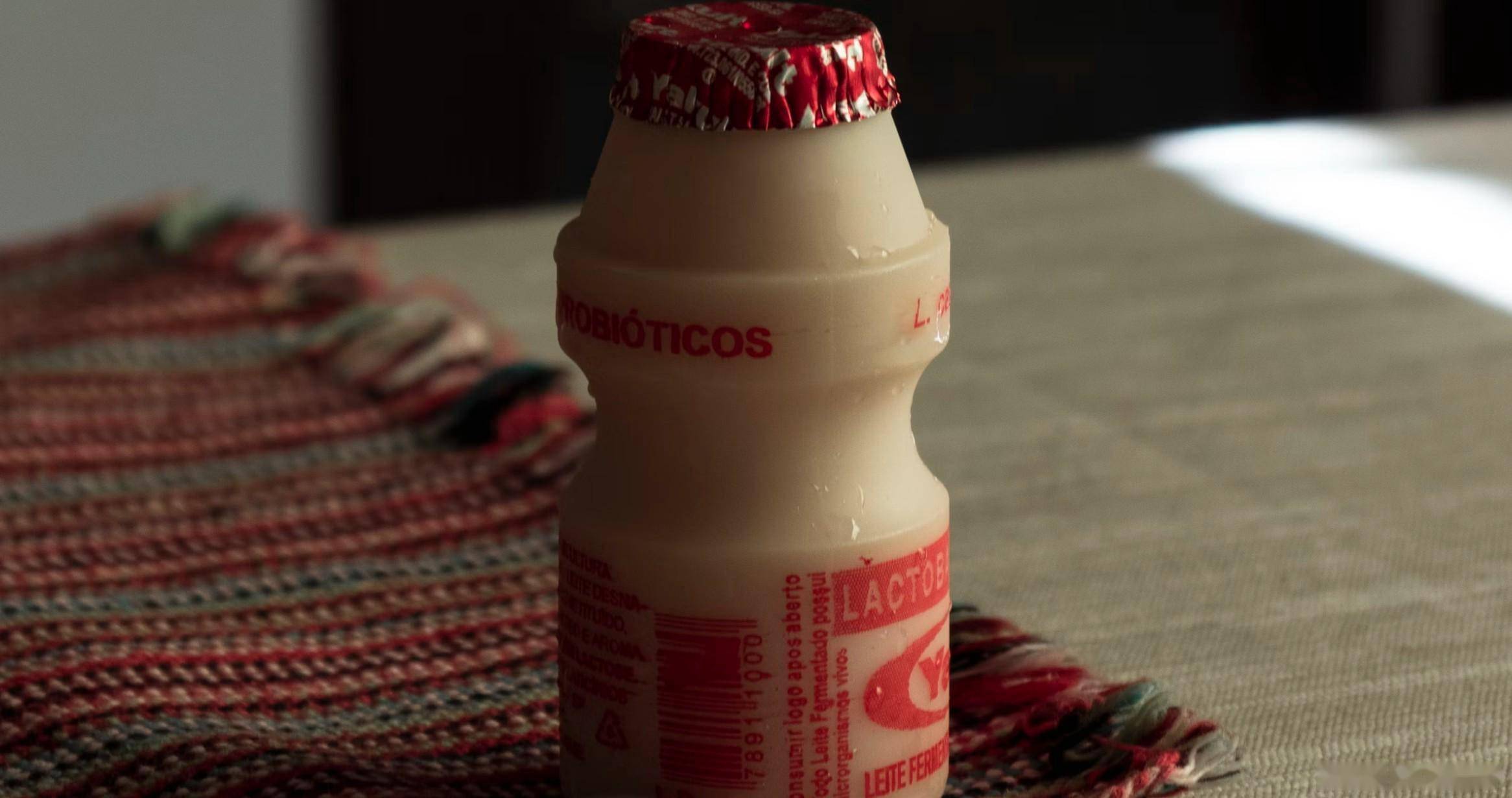
益生菌饮料

Search documents
日本制造,在华大溃退
Xin Lang Cai Jing· 2025-12-04 05:48
Core Viewpoint - The article discusses the withdrawal of Japanese manufacturing companies from the Chinese market, highlighting the decline of brands like Canon, Yakult, and Mitsubishi, which were once dominant players in their respective industries. This trend reflects a broader shift in the competitive landscape as Chinese companies advance in technology and market presence, leading to a significant reduction in the market share of Japanese brands [1][9][11]. Group 1: Canon's Closure - Canon's production line at its Zhuhai facility ceased operations on November 21, 2025, marking the end of its 20-year presence in China [21][22]. - The factory, once a significant employer in the region, had seen its workforce shrink to just over 1,400 employees by the time of closure [29]. - Canon's market share in the Chinese laser printer market plummeted to 3.9% by the third quarter of 2025, down from 16% in 2010 [11][37]. Group 2: Other Japanese Brands - Yakult announced the closure of its Guangzhou factory, which had been operational for 23 years, and previously shut down its Shanghai factory [23][31]. - Mitsubishi Motors ceased all local production in China, with its vehicle sales dropping from 133,000 units in 2019 to just 33,600 units in 2022 [31][34]. - The article notes that the decline of these brands is not an isolated incident but part of a larger trend of Japanese companies exiting the Chinese market, including Sony and Toshiba [24][33]. Group 3: Market Dynamics - The decline of Japanese brands is attributed to several factors, including the rise of local competitors and a shift in consumer preferences towards more affordable and innovative products [12][38]. - The Chinese market for printers has evolved, with local brands capturing 41.5% of the market share by 2025, while Japanese brands struggle to adapt [11][37]. - Japanese companies are perceived to have failed to respond to changing market conditions, maintaining outdated business models and product offerings [12][41]. Group 4: Global Perspective - Despite their struggles in China, Japanese manufacturers still hold significant global market shares, with Canon commanding 22% of the global printer market as of 2023 [15][42]. - The profitability of Japanese automotive brands remains strong on a global scale, with Toyota's profits significantly outpacing those of Chinese competitors [44]. - The article concludes that while Japanese brands face challenges in China, their global competitiveness remains intact, indicating a need for adaptation rather than a complete retreat from the market [17][47].


一年连关两厂,风靡全国的顶流养乐多为啥没人买了?
Sou Hu Cai Jing· 2025-11-08 02:00
Core Viewpoint - Yakult, once a leading probiotic beverage brand in China, is facing significant challenges as it announces the closure of two factories within a year, indicating a contraction in its business operations in the Chinese market [3][4]. Group 1: Factory Closures - Yakult has announced the closure of its first factory in Guangzhou, effective November 30, following the closure of its Shanghai factory in December of the previous year [3][4]. - The closures are part of a strategic plan to enhance competitiveness and sustainability in the Chinese market, consolidating production from three factories to two to optimize resource allocation [3][4]. Group 2: Decline in Demand - The decline in demand for Yakult can be attributed to the erosion of its "health" image, which was once a key marketing strategy. As consumer awareness has increased, many have begun scrutinizing product ingredients, revealing that water and sugar dominate its classic product's ingredient list [6][8]. - Recent health initiatives in Shanghai have classified Yakult's classic product as D-grade due to high sugar content, undermining its long-standing image as a health drink [8]. Group 3: Increased Competition - The probiotic beverage market has become increasingly competitive, with numerous brands such as Guanyirong, Changqing, and Meiyitian emerging, all emphasizing similar health benefits and innovating in taste and packaging [9]. - These competitors have not only matched Yakult's health claims but have also introduced diverse flavors and product forms, leading to a significant erosion of Yakult's market share [9]. Group 4: Future Strategies - To regain market presence, Yakult must adapt to changing consumer preferences by improving product quality, reducing sugar content, and enhancing nutritional value [10]. - The company needs to move beyond traditional marketing strategies and focus on understanding evolving consumer demands to remain competitive in the market [10].