
粮食储备与流通

Search documents
粮食流通工作和成品粮保障能力居全国前列
Shan Xi Ri Bao· 2026-01-25 00:31
Core Insights - By 2025, Shaanxi's grain circulation work is expected to rank among the top in the country, enhancing food security capabilities and effectively supporting the province's economic and social development [1][2] Group 1: Grain Acquisition and Storage - In the face of complex climate conditions, the provincial grain and material reserve system actively engaged in disaster relief and grain storage, acquiring over 2.47 million tons of summer grain and 3.14 million tons of autumn grain [1] - A total of 2,500 emergency grain guarantee enterprises and 597 monitoring points have been established, positioning the province's finished grain guarantee capabilities among the best in the country [1] Group 2: Legal and Brand Development - Significant progress has been made in legal protection with the introduction of the "Implementation Measures of the Food Security Law of the People's Republic of China" in Shaanxi, filling a legislative gap in local food security [1] - The "Shaanxi Good Grain and Oil" brand has expanded its influence, with 84 enterprises and 98 products included in the brand matrix, leading to increased brand awareness, reputation, and market share [1] Group 3: Emergency Material Assurance - A unified emergency material assurance system has been preliminarily established, enhancing regional mutual support capabilities, with 7 batches of over 35,000 items dispatched for emergency disaster relief throughout the year [1] - The regulatory information platform has been optimized to achieve near-instantaneous inventory management through a "one-stop" monitoring system [1] Group 4: Grain Safety and Economic Impact - Since the 14th Five-Year Plan, Shaanxi has averaged grain acquisitions of 7.15 million tons annually, ensuring market supply and price stability [2] - The province has led the construction of an emergency guarantee center in the Northwest region, achieving full coverage of emergency supplies at the town and street levels [2] - The second round of quality grain projects has resulted in the renovation and construction of green storage facilities with a capacity of 1.9 million tons, while the grain and oil processing industry has reached a value of 56.05 billion yuan [2]
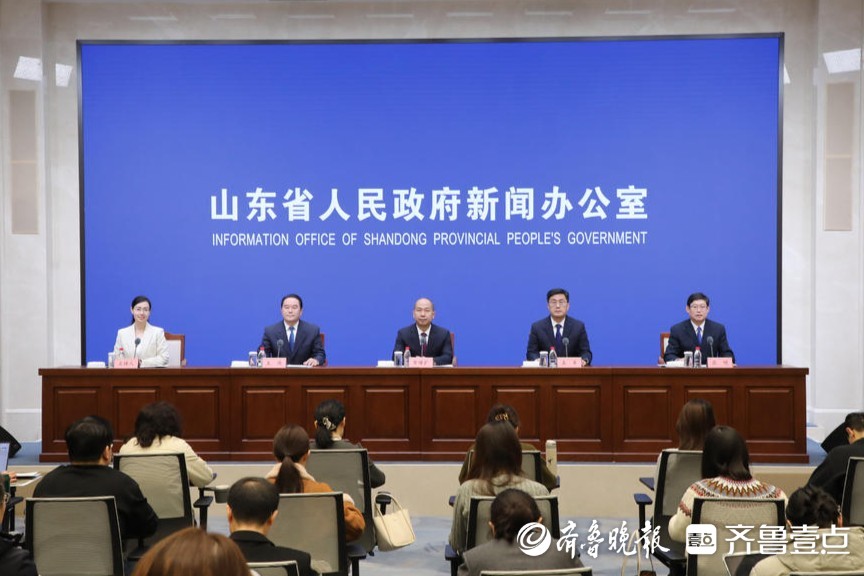
严把“三关”,山东粮食安全法治建设迈上新台阶
Qi Lu Wan Bao· 2025-12-26 07:59
Core Viewpoint - During the "14th Five-Year Plan" period, Shandong Province has implemented various special actions for grain law enforcement, achieving significant results in ensuring food security and supporting farmers' interests [1][3]. Group 1: Grain Storage Management - The government has established a comprehensive mechanism for grain and oil inventory inspections, involving five departments, to enhance coordination and oversight [3]. - A total of 14.0043 million tons of provincial and municipal grain reserves and 156,800 tons of oil reserves were inspected, identifying 1,139 issues, with a 100% completion rate for problem rectification [3]. - The provincial grain management performance evaluation has been revised to improve assessment methods and details, focusing on the responsibilities of grain storage enterprises [3]. Group 2: Farmer Protection and Grain Sales - The government has enhanced the reporting channels for grain-related issues and increased public awareness of the grain circulation supervision hotline [4]. - A total of 339 cases were investigated based on reports from the hotline, particularly focusing on issues like delayed payments to farmers, leading to the identification and punishment of non-compliant enterprises [4]. - Stringent quality checks are conducted on grain leaving storage, ensuring compliance with food safety standards, with inspection reports accompanying the grain for a validity period of six months [4].

“粮食安全看山东”之齐河:探索保障粮食安全新路径
Zhong Guo Fa Zhan Wang· 2025-09-23 08:13
Core Viewpoint - Food security is a crucial component of national security, and Shandong Province's Qihe County is actively exploring new pathways to ensure food security [1] Group 1: Local Reserve Management - Qihe County has implemented strict management of local reserve grain and oil, ensuring storage safety and meeting the grain reserve standards of "three months in production areas and six months in sales areas" [2] - The county has established a regular supervision mechanism for reserve grain management, conducting monthly inspections to ensure the authenticity and quality of stored grain [2] - Information technology is being utilized to enhance grain supervision, achieving comprehensive coverage of dynamic monitoring for reserve grain and oil [2] Group 2: Emergency Supply System - Qihe County has built a food emergency supply system with 16 supply points, including a demonstration point at the county government and 15 grassroots points in townships [3] - Regular emergency supply drills are conducted, with a recent drill on August 20 focusing on fire safety and emergency grain supply, enhancing the county's emergency response capabilities [3] Group 3: Market Regulation and Risk Prevention - Strengthened enforcement checks are in place to maintain order in the grain circulation market, focusing on key areas such as grain collection, storage, and sales [4] - The county conducts monthly statistical reporting on grain circulation data to support macro-control and market monitoring [4] - Risk prevention measures are being implemented to protect the interests of grain farmers, enterprises, and consumers [4] Group 4: Innovation and Waste Reduction - Qihe County is promoting grain loss reduction across the entire supply chain while ensuring high yields [5] - The establishment of comprehensive grain service centers and smart storage facilities has significantly reduced post-harvest losses, with a drying capacity of 11,000 tons per day [5] - The county is actively promoting awareness campaigns on grain conservation and anti-food waste initiatives [5] Group 5: Future Plans - Qihe County aims to strengthen local reserve grain management, improve emergency supply systems, and enhance circulation regulation to ensure the stability of the grain market [6] - The focus will be on maintaining the authenticity, quality, and safety of local reserve grain, while effectively utilizing these reserves for government macro-control [6]