线下实景娱乐

Search documents
闪电快讯|成立25年后索尼探梦馆官宣升级,将试点探索线下实景娱乐
Sou Hu Cai Jing· 2025-10-13 10:59
Core Insights - Sony's Dream Factory has relocated to a new venue in Dongcheng District, Beijing, marking its first media communication since the move [2] - The new facility aims to blend scientific education with entertainment, showcasing Sony's achievements in creative entertainment over the past two decades [2] - The project, referred to internally as the "Stonehenge Project," symbolizes cross-departmental collaboration within Sony [2] Summary by Sections New Venue Features - The upgraded Sony Dream Factory is now a pilot base for "Location-Based Entertainment" (LBE), incorporating advanced technologies such as haptic feedback, spatial display, robotics, and 3D audio [2] - The new venue includes four main exhibition areas: "Learn," "Play," "Create," and "Watch," focusing on scientific inspiration, technology experience, creative practice, and community interaction [3] Visitor Experience - Visitors can engage with various interactive experiences, including XR Studio, digital human creation, 4K 3D films, toio programming robots, and aibo robotic dogs [3] - Creative workshops are available for animation production, voice acting for short films, and virtual filming [3] Retained Elements and Future Plans - The new facility retains popular exhibits from the old venue, such as the "Carousel" [3] - A "Dream Shop" will offer cultural and creative products, IP figurines, and coffee, with plans for regular updates to exhibition content [3]



密室逃脱找寻流量密码
3 6 Ke· 2025-07-07 11:37
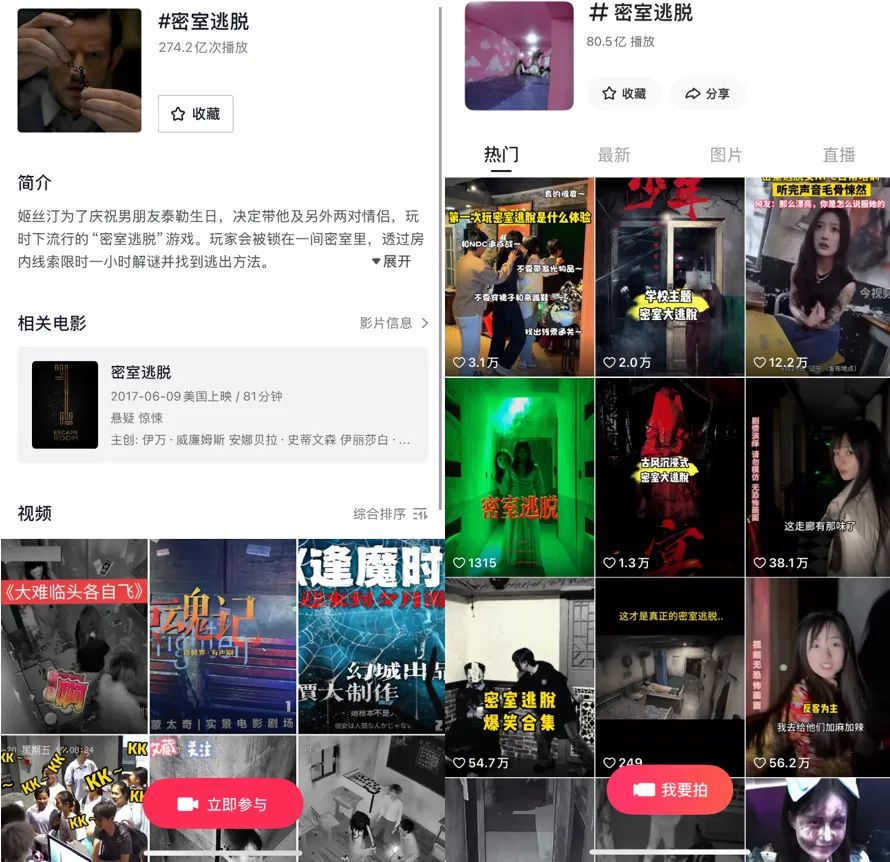
Core Insights - The offline immersive entertainment consumption, particularly escape rooms, has seen a significant increase during the summer, especially among the younger demographic [1][2] - The escape room industry in China has grown from 5 billion yuan in 2018 to 10.1 billion yuan in 2021, with projections of 15.55 billion yuan and 17.59 billion yuan for 2025 and 2026 respectively [2] - The popularity of escape rooms is driven by their appeal to Generation Z, who view them as a means of social interaction and stress relief [1][4] Industry Growth and Trends - The escape room industry has been significantly influenced by online platforms and reality shows, with the show "Escape Room" boosting its popularity [5][7] - The industry has seen a rise in themed escape rooms, with various styles and interactive elements being introduced, leading to a diverse range of experiences [9][16] - The operational model of escape rooms is primarily ticket-based, with revenue dependent on the number of themes, pricing, and player participation [13][14] Operational Challenges - High operational costs are a significant challenge for escape room businesses, with initial setup costs for themes ranging from 150,000 to 250,000 yuan, and ongoing expenses including rent and staff salaries [16][17] - Many escape rooms are adopting strategies to increase efficiency, such as rolling sessions to maximize player turnover [13][14] Consumer Behavior and Market Dynamics - The rise of social media has amplified the visibility of escape rooms, with platforms like Douyin and Kuaishou generating billions of views on related content [2][18] - There is a growing divide among players, with some seeking adrenaline-pumping experiences while others prefer intricate puzzles and narratives, leading to a potential oversaturation of horror-themed rooms [26][28] - The industry faces challenges in maintaining safety standards, particularly in horror-themed rooms, prompting regulatory scrutiny [28] Future Outlook - The escape room industry is at a crossroads, needing to balance immersive experiences with innovative content to sustain long-term growth [28] - As consumer preferences evolve, there is a need for escape rooms to diversify their offerings beyond horror themes to include more complex puzzles and narratives [28]