
美妆香氛

Search documents
万亿巨头疑似售假,消费者直呼塌房
21世纪经济报道· 2026-02-12 12:24
Core Viewpoint - Estée Lauder has filed a lawsuit against Walmart for selling counterfeit products, including perfumes and skincare items from its brands, which has raised concerns among consumers about the authenticity of products purchased from Walmart [1][2]. Group 1: Lawsuit Details - The lawsuit was filed in the U.S. District Court for the Central District of California, accusing Walmart of trademark infringement and selling counterfeit goods [1]. - Estée Lauder claims that Walmart's website features products that closely resemble its own, leading to consumer confusion [1]. - The company has requested economic compensation and an injunction to prevent Walmart from selling the alleged counterfeit products [2]. Group 2: Consumer Reactions - Many consumers, particularly in China, have reported experiences of purchasing suspected counterfeit products from Walmart and Sam's Club [6][8]. - Some consumers expressed disbelief that a reputable retailer like Walmart could be involved in selling counterfeit goods, leading to a loss of trust in non-official purchasing channels [8]. Group 3: Impact on Estée Lauder - Estée Lauder's sales are significantly reliant on various distribution channels, including Walmart, and the presence of counterfeit products could negatively impact its revenue [10]. - The company reported a strong performance in its latest financial results, with a 6% increase in net sales, driven by its skincare and fragrance segments [7][11]. - The lawsuit highlights the potential risks posed by counterfeit products to brand reputation and sales, especially in overlapping markets with Walmart [10][11]. Group 4: Walmart's Position - Walmart has stated its zero-tolerance policy towards counterfeit products and plans to respond appropriately to the lawsuit [2]. - The retailer's business model relies on offering competitive prices through global sourcing, which may inadvertently facilitate the sale of counterfeit goods [8][11].

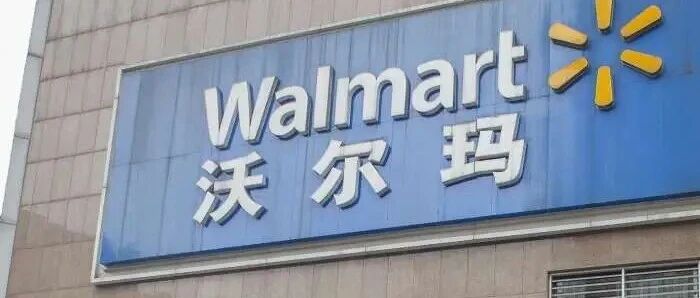
万亿零售巨头售假?雅诗兰黛起诉沃尔玛
2 1 Shi Ji Jing Ji Bao Dao· 2026-02-12 09:57
Core Viewpoint - Estée Lauder has filed a lawsuit against Walmart, accusing the retail giant of selling counterfeit products from its brands, including Aveda, Clinique, La Mer, Le Labo, and Tom Ford, through its official website [2][3] Group 1: Lawsuit Details - The lawsuit claims trademark infringement, sale of counterfeit goods, and false origin labeling by Walmart, which allegedly uses Estée Lauder's trademarks for search engine optimization to attract traffic and profit [2] - Estée Lauder has tested some of the suspected counterfeit products and confirmed they were not produced by the company, accusing Walmart of insufficient oversight of product authenticity on its website [3] - The company seeks unspecified economic damages and an injunction to prevent Walmart from selling the alleged counterfeit products [3] Group 2: Consumer Reactions - Many Chinese consumers have expressed dissatisfaction on social media, claiming to have purchased suspected counterfeit skincare products from Walmart and Sam's Club [4] - Some consumers reported buying products at prices lower than those at official stores, leading to suspicions of counterfeit goods [6] Group 3: Financial Performance - Estée Lauder's fragrance business is experiencing growth, particularly among Gen Z consumers, with a 6% increase in net sales to $4.2 billion in Q2 of FY2026, driven by skincare and fragrance categories [5] - The skincare segment, supported by brands like La Mer and The Ordinary, has the highest sales contribution, while the fragrance segment also saw a 6% increase, led by Le Labo and Tom Ford [5] Group 4: Impact on Brands - The presence of counterfeit products could divert target customers and impact the sales of genuine products, potentially diminishing the brand's established premium pricing [5][7] - Estée Lauder's sales are reliant on diverse channels, including Walmart, and the sale of counterfeit products by Walmart could significantly affect Estée Lauder's performance in overlapping markets [7] Group 5: Walmart's Business Overview - Walmart's retail business in the U.S. generated $462.4 billion in revenue, accounting for 67.9% of total revenue, with significant contributions from its Sam's Club segment [8] - Walmart's sales in China reached approximately $20.3 billion in FY2025, marking a new high, with Sam's Club contributing positively to this growth [8]


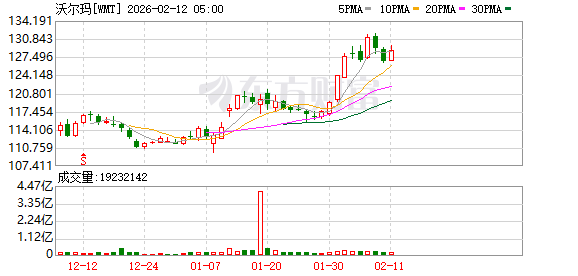
中信证券:长期配置再次强调重视消费结构的变化
Zheng Quan Shi Bao Wang· 2025-12-22 06:09
Core Insights - CITIC Securities reports an increase in consumer income confidence and expectations based on a survey of 1,600 consumers conducted by the CITIC-CLSA CRR team at the end of November [1] - Employment sentiment has improved, and inflation expectations remain stable, with a narrowing decline in food inflation [1] - There is a slight recovery in housing price confidence, while interest in gold investments has decreased, and A-share investment preferences have seen a minor increase [1] Short-term Opportunities - The overall beta opportunities in consumption can be observed, particularly with the potential for fiscal stimulus policies [1] Long-term Strategies - Long-term investment strategies should focus on changes in consumer structure, emphasizing four key areas: new products/categories (high certainty demand in emotions and health), new technologies (AI+ and biotechnology), new channels (channel transformation under cost-performance demands), and new markets (internationalization and market penetration) [1] - Specific sectors to focus on include the IP industry chain, pets, beauty and fragrance, tourism, outdoor activities, health beverages, and AI+ [1]

重塑消费链路:2025小红书四大营销趋势引领新增长
Sou Hu Cai Jing· 2025-09-16 02:21
Group 1: Platform Trends Insights - In 2025, Xiaohongshu will see four significant marketing trends: high decision-making product explosion, emotional marketing, proactive consumption, and refined marketing strategies [1][9][14] - The GMV of home decoration and home appliances on Xiaohongshu has increased by over 100%, while the medical and health sector has seen a growth of over 60% despite negative industry growth [1][10] - Emotional words in user-generated content (UGC) are becoming crucial for brand communication, with 13 billion attribute words and 75 million emotional words identified [1][11] Group 2: Industry Trends Insights - The modern consumer is no longer passive; they exhibit high autonomy through inquiry and sharing, necessitating brands to stimulate user engagement throughout the purchasing process [2][14] - Z-generation parents are becoming the main force in the maternal and infant market, emphasizing personalized and scientific parenting, leading to more cautious and diverse consumption decisions [2][24] - The health sector is diversifying, with brands encouraged to target four core groups: active lifestyle enthusiasts, gamers, everyday life participants, and entertainment seekers [2][32] Group 3: Beauty and Fragrance Trends - The beauty and fragrance industry is witnessing diversification trends, including pastel aesthetics and Chinese cultural themes, prompting brands to innovate and create emotionally valuable products [3][39] - The food and beverage industry is shifting from "eating to be full" to "eating for enjoyment," with a focus on new experiences and high emotional value [3][51] - Brands are encouraged to engage consumers in product definition and iteration through co-creation mechanisms, enhancing user involvement in the product lifecycle [3][54]

中信证券首次覆盖颖通控股(6883.HK)给予“买入”评级 揭示“情绪消费”时代来临
Zhong Jin Zai Xian· 2025-08-26 06:49
Group 1 - The core viewpoint of the articles highlights the rapid growth of the fragrance market in China, driven by the "emotional economy" and the shift from luxury consumption to essential daily health products [1][2] - CITIC Securities initiated coverage on Ying Tong Holdings (6883.HK), emphasizing its leading position in the Chinese fragrance and beauty sector, with a target market capitalization of HKD 3.7 billion and a target price of HKD 2.9, reflecting a projected P/E ratio of 11 times for FY2026 [1][2] - Ying Tong Holdings manages 72 brands, with 61 under exclusive authorization, covering multiple categories such as perfumes, skincare, makeup, and home fragrances, creating a competitive barrier that is difficult to replicate [1][2] Group 2 - The Chinese fragrance market has seen a significant increase in scale, growing from RMB 15 billion in 2018 to RMB 26 billion in 2023, with a compound annual growth rate (CAGR) of 11.6%, surpassing the global average [2] - During the fiscal years 2022 to 2025, Ying Tong is expected to achieve a 7.5% CAGR in revenue and a 9.9% CAGR in net profit, indicating strong financial performance [2] - The company is focusing on dual upgrades of brand and channel, expanding into new beauty categories and enhancing the shopping experience through its self-operated retail brand "Perfume Box," which appeals to Gen Z consumers [2][3] Group 3 - CITIC Securities emphasized that Ying Tong Holdings plans to expand its retail network by opening 100 new stores nationwide within three years, aiming to capture more market share and enhance brand influence [3] - As the "emotional health era" progresses, Ying Tong is expected to continue resource integration and boundary expansion, collaborating with brands and consumers to shape the future of the Chinese fragrance market [3]