船舶检验

Search documents
中央部委机关纪委调研行丨增强监督工作整体效能
Zhong Yang Ji Wei Guo Jia Jian Wei Wang Zhan· 2026-01-18 01:46
Core Viewpoint - The Ministry of Transport's Discipline Inspection Commission is enhancing overall supervisory effectiveness by implementing a "top-down" approach, focusing on the supervision of mid-level officials and strengthening the guidance of disciplinary inspection institutions within the system [2][3]. Group 1: Strengthening Supervision of Mid-Level Officials - The Ministry of Transport is increasing the rotation and exchange of mid-level officials to mitigate integrity risks associated with long-term positions, implementing 11 measures across four areas to enhance education and supervision [3]. - The commission is promoting the establishment of decision-making lists for significant matters and reporting requirements for mid-level officials to standardize power operations and enhance supervision [3]. - A focus on case-based reforms is being emphasized, with the commission assisting in the development of measures to address issues revealed by disciplinary cases [3][4]. Group 2: Responsibility and Pressure Transmission - The Ministry has established responsibility lists for its 14 direct units and 18 departmental organizations, clarifying the roles and responsibilities of discipline inspection committee members [5][6]. - These responsibility lists serve as both a guide for duties and a system for supervision, ensuring that committee members report on their performance and engage in various supervisory activities [6]. Group 3: Enhancing Supervisory Capacity - The Ministry is improving the supervisory capabilities of grassroots disciplinary inspection institutions through the establishment of regular guidance mechanisms and specialized training [7]. - The focus is on enhancing the ability to handle problem clues and conducting joint investigations to address supervisory challenges faced by direct units [7]. Group 4: Quality Management and Integrity Supervision - The Ministry is integrating integrity risk prevention with quality management, creating a framework where both aspects work in tandem to enhance daily supervision [8]. - The China Classification Society, as a direct unit, has implemented a system of "integrity service cards" and signed integrity service agreements with over 14,000 clients to promote transparency and accountability [9]. - The society has developed a comprehensive approach to integrity risk prevention, including regular evaluations and dynamic management of risk control measures [9].
江苏率先深化推进长三角船舶检验“通检互认” 助力构建区域航运一体化新格局
Yang Zi Wan Bao Wang· 2025-12-02 08:37
Core Viewpoint - Jiangsu Province is taking significant steps to implement a "mutual recognition" mechanism for ship inspections, marking a key advancement in regional cooperation within the Yangtze River Delta, which is expected to serve as a model for national ship inspection collaboration [1][2] Group 1: Implementation of Mutual Recognition Mechanism - Jiangsu has issued a work plan to fully realize mutual recognition of ship transfer and operational inspections, allowing vessels registered in the province to apply for inspections at any local ship inspection agency [1] - The plan eliminates the need for on-site inspections for vessels transferring within the province, significantly enhancing the efficiency of ship inspection services [1] Group 2: Regional Collaboration and Standardization - Jiangsu is leveraging the Yangtze River Delta ship inspection integration workstations and demonstration points to undertake cross-province operational inspection tasks, promoting a new framework of "unified standards, unified processes, and mutual recognition of results" [1] - This initiative enhances Jiangsu's role as a hub in regional ship inspection collaboration and underscores its commitment to high-quality development in the Yangtze River Delta shipping sector [1] Group 3: Technological Innovation and Service Improvement - In the field of new energy vessels, Jiangsu is actively building regional technical exchange platforms and strengthening green ship technology reserves, showcasing its leading advantages in technological innovation [2] - The province has achieved "one supervision, province-wide recognition" in inspection and testing results, and is promoting mutual recognition cooperation with external agencies to establish a unified and efficient inspection service system [2] - The implementation of the work plan is expected to enhance the ship inspection workforce, optimize the inspection service network, and improve convenience for businesses, contributing to the development of "Water Transport Jiangsu" and high-quality shipping growth [2]
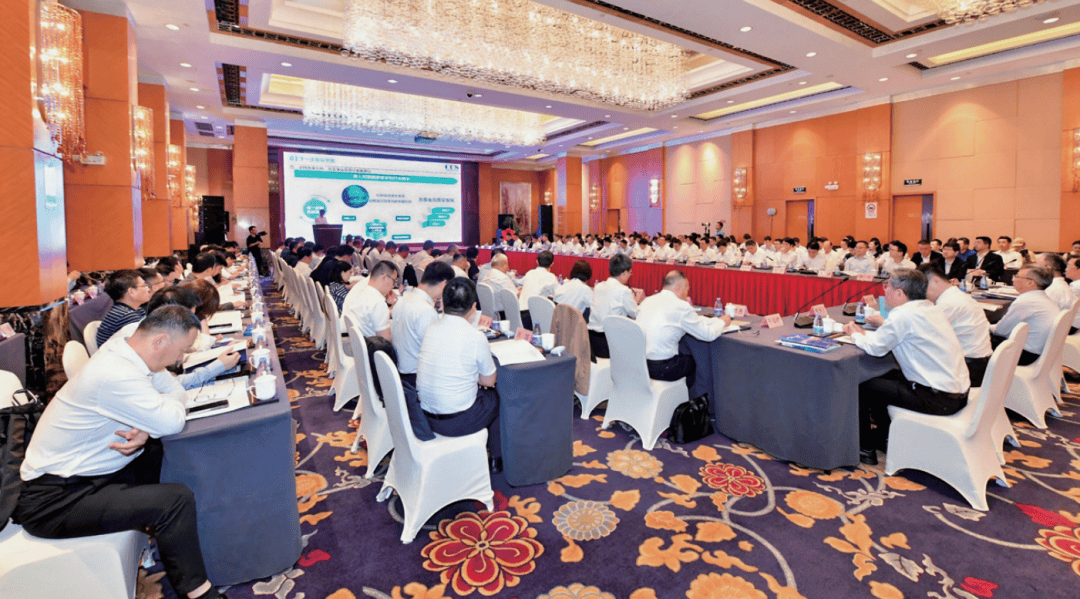
帆起浦江,CCS破浪启新程——中国船级社(CCS)国际船舶检验业务运营功能落地上海
Sou Hu Cai Jing· 2025-07-26 06:16
Core Viewpoint - The establishment of the CCS International Ship Inspection Business Operations in Shanghai marks a significant milestone for the China Classification Society (CCS) and is expected to enhance the global shipping landscape and contribute to the high-quality development of Shanghai's shipping industry [2][3][6]. Group 1: Strategic Importance - The CCS's operational function in Shanghai is seen as a major event that will inject new vitality into the high-quality development of Shanghai's shipping industry [2][3]. - The move aligns with national strategies to enhance the transportation sector and is a key step in building an international shipping center in Shanghai [6][8]. - CCS aims to achieve international leading standards in scale, technology, service, management, and internationalization by 2025, as outlined in the national development plans [3][7]. Group 2: Development and Innovation - CCS has been focusing on enhancing its service capabilities and integrating its resources to better serve the national transportation development goals [7][8]. - The organization is committed to innovating its service models, emphasizing a full lifecycle management approach for ships, and integrating various operational aspects into a cohesive platform [10][11]. - CCS is actively engaging in the development of new technologies and service products that align with industry trends, such as green shipping and smart shipping [16][18]. Group 3: Global Collaboration and Impact - The CCS's presence in Shanghai is expected to strengthen its role in global maritime governance and enhance its international service capabilities [9][17]. - By collaborating with leading enterprises and participating in international standards development, CCS aims to elevate its global influence and service quality [18][19]. - The strategic location in Shanghai allows CCS to leverage the city's robust shipbuilding and research capabilities, fostering a symbiotic relationship that benefits both the organization and the industry [18][19].