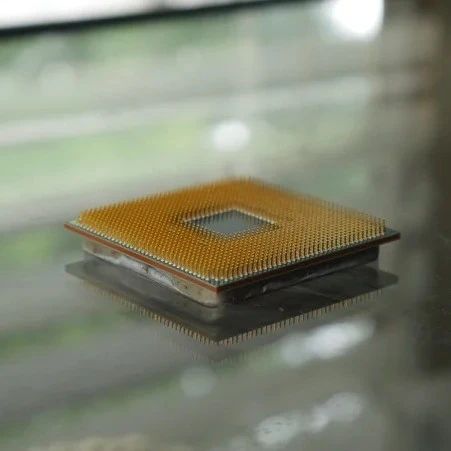
MEMS芯片制造

Search documents
赛微电子:MEMS行业正处于关键发展期
Zheng Quan Ri Bao Zhi Sheng· 2026-02-25 14:08
Core Viewpoint - The MEMS industry is experiencing significant growth opportunities due to the rise of IoT and artificial intelligence, with a projected market size increase from $15.4 billion in 2024 to $19.2 billion by 2030, reflecting a CAGR of 3.7% [1] Industry Summary - The MEMS market is expanding as traditional sensors, actuators, and passive components are gradually being replaced, leading to increased penetration of MEMS technology [1] - The MEMS industry operates under both Foundry and IDM models, with foundry companies supporting Fabless and Fablite design firms to drive innovation and ecosystem development [1] - The competitive landscape varies across different MEMS application fields, with domestic alternatives emerging in mid-to-high-end markets within communications, biomedical, industrial automotive, and consumer electronics [1] Company Summary - The company is a leading domestic MEMS chip manufacturer operating primarily under a Pure-Foundry model, distinguishing itself from competitors such as TSMC, Teledyne, and others [1] - The company has a clear role positioning within the MEMS supply chain and demonstrates strong development determination, which is crucial for maintaining core competitiveness [1] - Key factors influencing the company's competitiveness include technological development, process innovation, and the application of new materials [1]

赛微电子接待4家机构调研,包括淡水泉基金、孝庸基金、领丰资本、腾飞资本等
Jin Rong Jie· 2026-02-25 14:07
Core Viewpoint - Company focuses on MEMS chip manufacturing and aims to enhance competitiveness through strategic acquisitions and operational improvements [1][2][3] Group 1: Company Overview - Company specializes in MEMS chip manufacturing and is enhancing production capacity and yield in both domestic and international lines [3] - The acquisition of Qingdao Zhancheng Technology Co., Ltd. aims to strengthen the company's position in MEMS EDA and chip design services, leveraging Zhancheng's expertise and client base [5] - The transfer of control of Swedish subsidiary Silex is a strategic move to ensure stable operations amid international political uncertainties, while retaining approximately 45% ownership for investment returns and decision-making participation [6] Group 2: Industry Insights - The MEMS industry is projected to grow from $15.4 billion in 2024 to $19.2 billion by 2030, with a CAGR of 3.7%, driven by the demand for smart sensors and IoT applications [2][11] - The company is one of the few pure foundry MEMS manufacturers in China, coexisting with IDM models, and believes that the pure foundry model can help design companies save on investments [9][11] - The competitive landscape shows that domestic companies are beginning to replace traditional suppliers in high-end markets, particularly in communications, biomedical, industrial automotive, and consumer electronics [11][12] Group 3: Production and Development Plans - The Beijing FAB3 line is currently underutilized but is ramping up production of silicon microphones and other MEMS devices, with plans for further development in various MEMS technologies [7][8] - The company is optimistic about improving yield and capacity utilization in the Beijing FAB3 line as demand increases, despite current low utilization rates [7][8] - The company is committed to continuous innovation and development in MEMS technology, focusing on the integration of hardware and software to enhance market competitiveness [9][12]
赛微电子出售Silex控股权
半导体行业观察· 2025-06-15 02:33
Core Viewpoint - The article discusses the strategic decision by Saiwei Electronics to transfer 45.24% of its shares in Swedish Silex Microsystems AB to seven parties, aiming to optimize resource allocation and focus on the Chinese semiconductor market while maintaining significant influence in Silex's operations [1][4][10]. Group 1: Transaction Details - On June 13, 2025, Saiwei Electronics announced a major asset transaction to transfer its 45.24% stake in Swedish Silex for 2.375 billion Swedish Krona, equivalent to approximately 1.783 billion CNY [1]. - Post-transaction, Saiwei will no longer hold a controlling stake in Silex but will retain 45.24% of shares and two board seats, allowing participation in major decision-making [1][5]. Group 2: Background of Swedish Silex - Founded in 2000, Swedish Silex is a leading MEMS chip manufacturer, which saw significant growth under Saiwei's ownership, with employee numbers increasing from over 100 to over 400 and revenue rising from over 200 million to over 800 million [3]. - The company faced challenges due to international political changes, including scrutiny from the Swedish Strategic Products Inspection Authority and a denied export license for MEMS technology to its Beijing subsidiary [3][4]. Group 3: Strategic Rationale - The transaction is aimed at addressing the complex international political and economic environment, allowing Silex to seek a more stable operational environment and mitigate potential risks associated with maintaining Saiwei's controlling position [4][5]. - Saiwei aims to concentrate resources on its Beijing MEMS wafer factory, enhancing its domestic semiconductor capabilities and capitalizing on market opportunities in China's semiconductor industry [9][10]. Group 4: Future Prospects - The transaction is expected to generate substantial cash inflow for Saiwei, improving its asset-liability structure and enabling further investments in strategic areas [1][10]. - Saiwei's ongoing focus on MEMS technology development and manufacturing capabilities is underscored by its significant R&D investments and the achievement of multiple patents, positioning the company for future growth in the semiconductor sector [7][9].

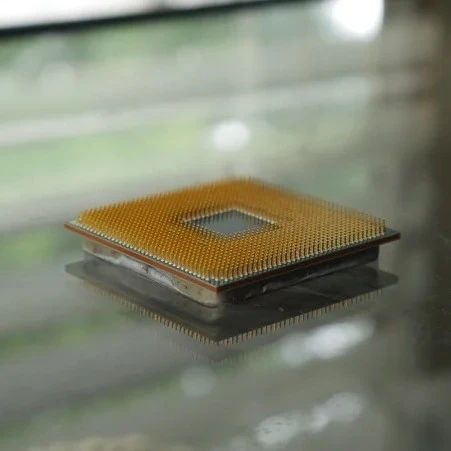
赛微电子出售Silex控股权
半导体行业观察· 2025-06-15 02:29
Core Viewpoint - The article discusses the strategic decision by Saiwei Electronics to transfer 45.24% of its shares in Swedish Silex Microsystems AB to seven parties, aiming to optimize resource allocation and focus on the Chinese semiconductor market while maintaining significant influence over Silex's operations [1][4]. Group 1: Transaction Details - On June 13, 2025, Saiwei Electronics announced a major asset transaction to transfer its 45.24% stake in Swedish Silex for 2.375 billion Swedish Krona, equivalent to approximately 1.783 billion RMB [1]. - Post-transaction, Saiwei will no longer hold a controlling stake in Silex but will retain 45.24% of shares and two board seats, allowing continued participation in significant decision-making [1][4]. Group 2: Background of Swedish Silex - Founded in 2000, Swedish Silex is a leading MEMS chip manufacturer, which has seen substantial growth under Saiwei's ownership, with employee numbers increasing from over 100 to over 400 and revenue rising from over 200 million to over 800 million [3]. - The company faced challenges due to international political changes, including scrutiny from the Swedish Strategic Products Inspection Authority and a denied export license for MEMS technology to its Beijing subsidiary [3][4]. Group 3: Strategic Rationale - The transaction is aimed at addressing the complex international political and economic environment, allowing Silex to seek a more stable operating environment and maintain relationships with key customers and suppliers [4][8]. - Saiwei aims to concentrate resources on its Beijing MEMS wafer factory, enhancing its domestic operations and capitalizing on the growth of the Chinese semiconductor industry [8]. Group 4: Future Prospects - The transaction is expected to provide significant cash inflow, improving Saiwei's asset-liability structure and enabling further investments in strategic areas [1][8]. - Despite the change in ownership structure, Saiwei's core business in MEMS chip development and wafer manufacturing remains unchanged, ensuring continued focus on its primary operations [8][9].