哲学

Search documents
Keep tuning your life.—『自分の人生』を生きるための哲学 | 咲子 松見 | TEDxHitotsubashiU
TEDx Talks· 2026-02-02 17:16
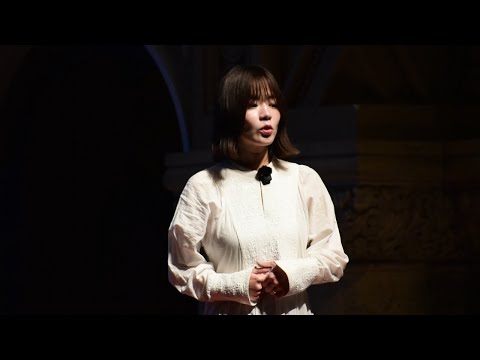
え、皆さん、こんにちは。え、突然ですが 、皆さんは今自分は自分の人生を生きて いると胸を張って言えるでしょうか. えっとも突然そう聞かれても、ま、すぐに は答えにくいと思います。 じゃあこう考えてみてください。今日皆 さんがここに来るまでの間でもいろんな 選択をしてきたと思います。その1つ1つ を自分で感じて考えて納得して選んだ でしょうか. それともこうあるべきとかこれが正解 っぽいといったものについれてしまった でしょうか.私自身も子供の頃から友柔不段とかお 人よしとかって言われてきました。 周りに流されてしまったり、人の意見に 惑わされてしまうことも多かったです。 でもある時気がつきました。 それでは自分の人生を生きていることには ならない。他人の人生を生きてしまって いるんだということに。 そして自分自身の人生、その責任を取れる のは結局自分しかいないということに気が ついたんです。 どうしたら本当に自分の人生を生きること ができるのか。 ずっと考えてきてたどり着いたのが チューニングという私なりの哲学です。 チューニングとは簡単に言えば自分が今 どんな気分でどんな状態なのかということ を自覚してあり ...

神经科学能回答三大哲学问题吗?
3 6 Ke· 2026-01-21 11:02
Group 1 - The relationship between philosophy and science has evolved, with modern science emerging from philosophical inquiry as technology advances and observational capabilities expand [1][2] - The exploration of the mind in the 21st century is drawing on both scientific advancements and philosophical questions, particularly in neuroscience [2] Group 2 - The concept of free will is challenged by determinism, as illustrated by Laplace's idea of a universe governed by natural laws, suggesting that human actions may be predetermined by physical processes [3][4] - Neuroscientific findings support the argument against free will, indicating that behaviors are outputs of prior conditions influenced by genetics and environment [3][4] Group 3 - The legal and ethical frameworks operate on a sliding scale of agency, distinguishing between premeditated actions and those influenced by mental states [4][5] - Compatibilism suggests that determinism and free will can coexist, with freedom arising from acting according to one's motivations, although the origins of those motivations remain a point of contention [5] Group 4 - The brain's functioning is complex and non-linear, with decision-making processes influenced by a multitude of factors, including emotional and environmental cues [6][7] - The brain operates within a probabilistic framework, where past experiences shape but do not control present actions, allowing for a form of agency [6][8] Group 5 - Existentialism emerged from the collapse of theological certainty, leading to a focus on individual choice and the search for meaning in a seemingly indifferent universe [9][10] - The evolution of existential thought has led to the concept of neuroexistentialism, which examines how subjective meaning arises from a purely material brain [11][12] Group 6 - Research indicates that engaging in time simulation can enhance the sense of meaning in life, suggesting that meaning is a dialogical process that emerges from self-awareness and experience [12][13] - The construction of meaning is inherently tied to the brain's ability to process sensory data and create coherence from experiences [12][13] Group 7 - The self is a dynamic construct, influenced by various philosophical perspectives that emphasize its relationship with the world and the body [14][15] - The default mode network in the brain plays a crucial role in self-referential thought and autobiographical memory, with disruptions in this network affecting the perception of self [16][17] Group 8 - The brain's primary function is to ensure survival, with perception and action being adaptations for maintaining bodily integrity [20][21] - The understanding of self and consciousness is rooted in the brain's role as a predictive system that integrates sensory inputs to form a coherent narrative of existence [20][21]
欧阳康做客“金城讲堂” 阐述哲学与人生
Xin Lang Cai Jing· 2026-01-10 09:09
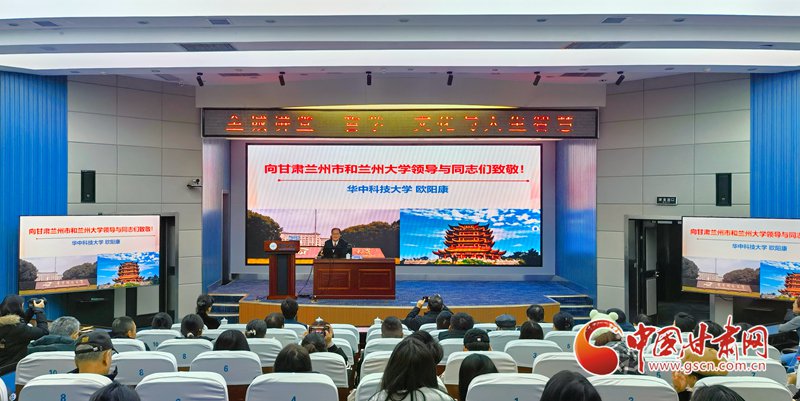
Group 1 - The core theme of the lecture is the exploration of philosophy, culture, and life wisdom, emphasizing the importance of philosophical thinking in understanding reality [2][3] - The event was organized by the Lanzhou Municipal Committee of the Communist Party of China and hosted by the School of Journalism and Communication at Lanzhou University, attracting over 200 attendees including students and cultural enthusiasts [2][5] - The lecture integrated philosophical thinking with national culture and personal experiences, aiming to make daily life more meaningful and conscious [5] Group 2 - The content of the lecture was characterized by a high theoretical level supported by practical examples and real-world relevance [3] - The initiative "Jincheng Lecture Hall" is a large cultural benefit activity that promotes the idea of "Cultural Lanzhou, Shared by All" [5]
刘擎:在不确定的时代,守住思考的光
凤凰网财经· 2025-11-25 13:06
Core Viewpoint - The article explores the search for meaning in life, particularly among the younger generation, emphasizing the importance of philosophical inquiry in understanding one's existence and purpose [1][4]. Group 1: Personal Journey of Liu Qing - Liu Qing, a prominent philosopher and professor, transitioned from a successful academic career in chemical engineering to political philosophy, seeking to understand the world and human existence [5][7]. - His decision to study abroad in the United States during a time when it was uncommon in China reflects a deep self-inquiry and a desire for personal fulfillment [7]. Group 2: Insights on Modern Work and Meaning - Liu Qing highlights the challenges faced by today's youth, who, despite having higher starting points, grapple with competition, information overload, and an uncertain future [12]. - He argues that true meaning is found in everyday experiences and interactions, rather than solely in work that generates financial reward [10]. Group 3: Philosophy and Responsibility - Liu Qing believes that philosophy should not only analyze complex concepts but also engage with people and inspire them, addressing their anxieties and uncertainties [11][12]. - He emphasizes the importance of understanding and empathy in philosophy, advocating for a perspective that helps individuals face life rather than escape from it [14][16].

李汉松忆乔纳森·李尔|芝城哲医:开放之心,终局之思
Xin Lang Cai Jing· 2025-10-29 04:39
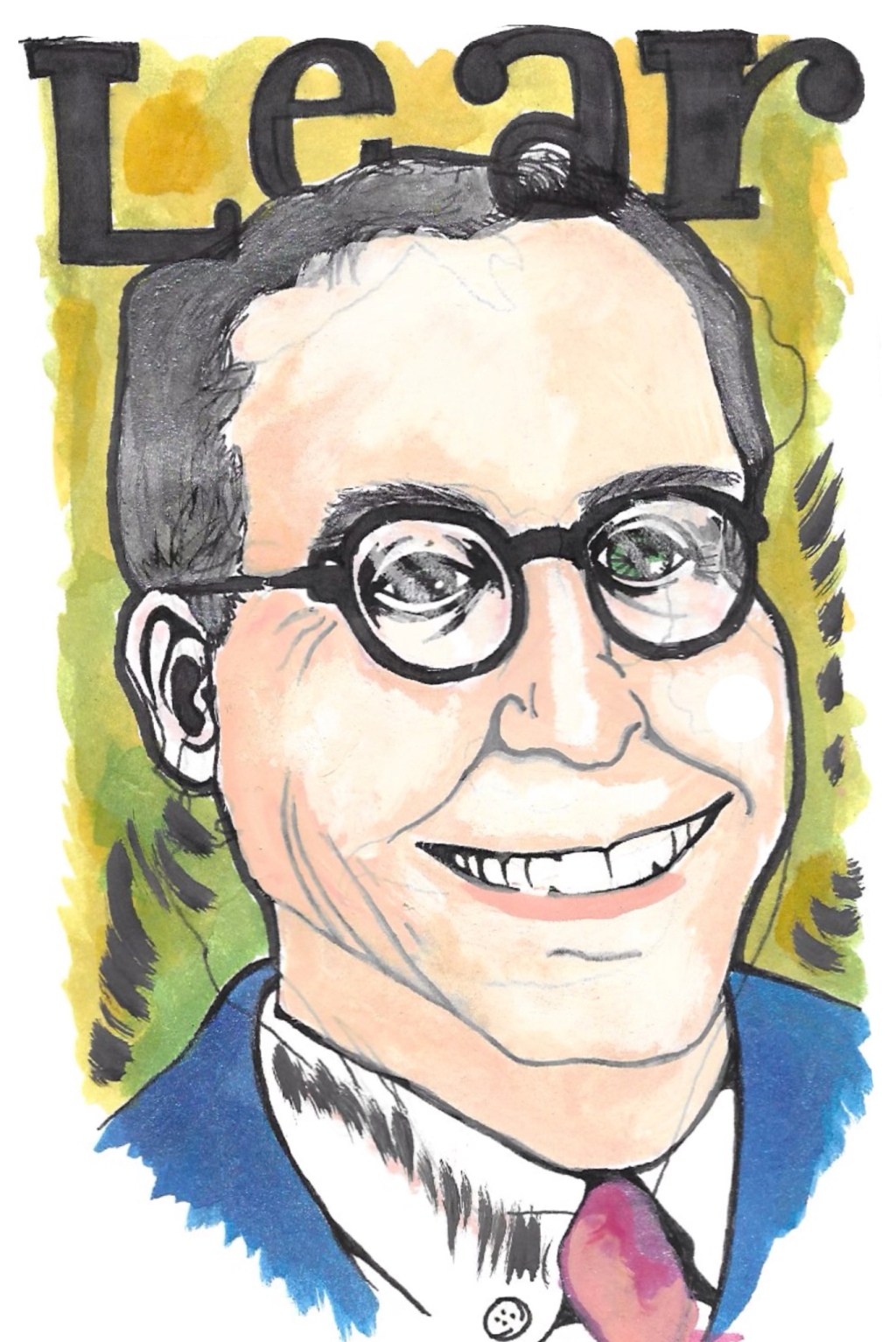
Core Insights - Jonathan Lear is a prominent philosopher who integrates classical philosophy, mind philosophy, ethics, logic, existentialism, and psychoanalysis, having authored numerous influential works [2][3][7][8]. Group 1: Academic Contributions - Lear has taught at prestigious institutions such as Cambridge and Yale before becoming a distinguished professor at the University of Chicago, where he has made significant contributions to philosophy and psychoanalysis [2][7][8]. - His works include titles like "Aristotle and the Logic of Desire," "Radical Hope," and "The Healing Action," showcasing his broad intellectual range [2][3][7]. Group 2: Personal Reflections - Lear often reflected on his own contributions and the nature of his work, expressing self-doubt despite his accomplishments, particularly in relation to his peers [3][8][9]. - He maintained a unique dual identity as both a philosopher and a psychoanalyst, which enriched his teaching and practice [7][8][9]. Group 3: Teaching Style and Influence - Lear's teaching style was characterized by a rigorous approach that challenged students to think deeply and critically, often leading to intense discussions in the classroom [11][12][14]. - He was known for his ability to bridge the gap between humanities, psychology, and medicine, making him a rare figure in academia [18][19].
哥大和LSE都在争的“哲学女孩”,去了大厂当AI产品经理
Hu Xiu· 2025-10-17 23:10
Group 1 - The article discusses the journey of an individual who transitioned from a background in philosophy and anthropology to becoming an AI product manager, highlighting the importance of personal interests and adaptability in career choices [2][30][57] - It emphasizes the value of philosophical training in developing critical thinking and analytical skills, which are applicable in various fields, including technology and product management [7][54][56] - The narrative illustrates the challenges faced in the job market, particularly for liberal arts graduates, and the strategies employed to navigate these challenges successfully [45][48][58] Group 2 - The article outlines the significance of hands-on experience and field research in anthropology, which contributed to a deeper understanding of societal issues and informed the individual's approach to product management [25][29][54] - It highlights the role of internships and practical experiences in shaping career paths, particularly in the tech industry, where real-world applications of skills are crucial [31][52][53] - The discussion includes insights into the fast-paced nature of the AI industry, where immediate feedback on product performance is essential for growth and innovation [55][56]
在不确定的时代,如何安放我们的焦虑?
Hu Xiu· 2025-10-09 12:41
Core Insights - The report highlights anxiety, meaninglessness, and depression as the top three emotional issues that the public seeks to address [1] - The current era is characterized by uncertainty, where effort does not guarantee results, leading to increased anxiety among individuals [2][5] - The discussion emphasizes that anxiety is a genuine psychological response to the unpredictable social structure faced by contemporary youth [3][4] Group 1: Nature of Anxiety - Anxiety is a common psychological phenomenon that has existed across different eras, but today's youth experience it in the context of heightened uncertainty [4][5] - The current generation's anxiety stems from a perceived lack of control over their destinies, exacerbated by the rapid changes in society and technology [5][6] - The rise of social media and the internet has contributed to feelings of helplessness and fragmentation among young people, as they often seek validation and satisfaction in virtual experiences [6][7] Group 2: Coping Mechanisms - Older generations find solace in activities like travel and traditional arts, while younger individuals often turn to social media and virtual worlds for emotional relief [10][12] - The phenomenon of "chasing stars" and attending concerts has become a popular form of self-affirmation for youth, reflecting their desire for real-life experiences [15][19] - The discussion suggests that the search for a "safe haven" is crucial for individuals to maintain a healthy distance from reality and find personal space [10][11] Group 3: Physical and Mental Health - Addressing anxiety may require a focus on physical well-being, as improvements in physical health can lead to better mental health outcomes [21][25] - The importance of reconnecting with the body and nature is emphasized as a means to restore energy and balance, which is essential for mental resilience [26][27] - The integration of physical, mental, and spiritual dimensions is proposed as a holistic approach to overcoming anxiety and achieving personal growth [27][28]

一个创业者在朋友圈的142条反思,关于反思的反思
Hu Xiu· 2025-08-22 06:05
Group 1 - The article discusses the importance of understanding the difference between a millionaire and a billionaire, emphasizing that a million seconds is 12 days, while a billion seconds is 34 years, highlighting the vast difference in scale and perspective [19] - It mentions the success of Apple, noting that Warren Buffett's investment in the company has yielded significant returns, with a current value exceeding $120 billion, representing over 40% of his stock portfolio [135][136] - The article reflects on the impact of media coverage on public health, citing a study that shows a tenfold increase in media reporting can lead to a 33.5% reduction in infection rates of diseases like H1N1 [137] Group 2 - The narrative includes insights on the evolution of Japanese culture and its influence on modern practices, particularly in the context of art and community revitalization efforts [56] - It highlights the significance of strategic thinking in business, drawing parallels between personal relationships and professional networking, emphasizing the importance of understanding dynamics in both areas [65][66] - The article also touches on the role of storytelling in media, noting that successful narratives often rely on familiar themes and character archetypes, which resonate with audiences [126][140]




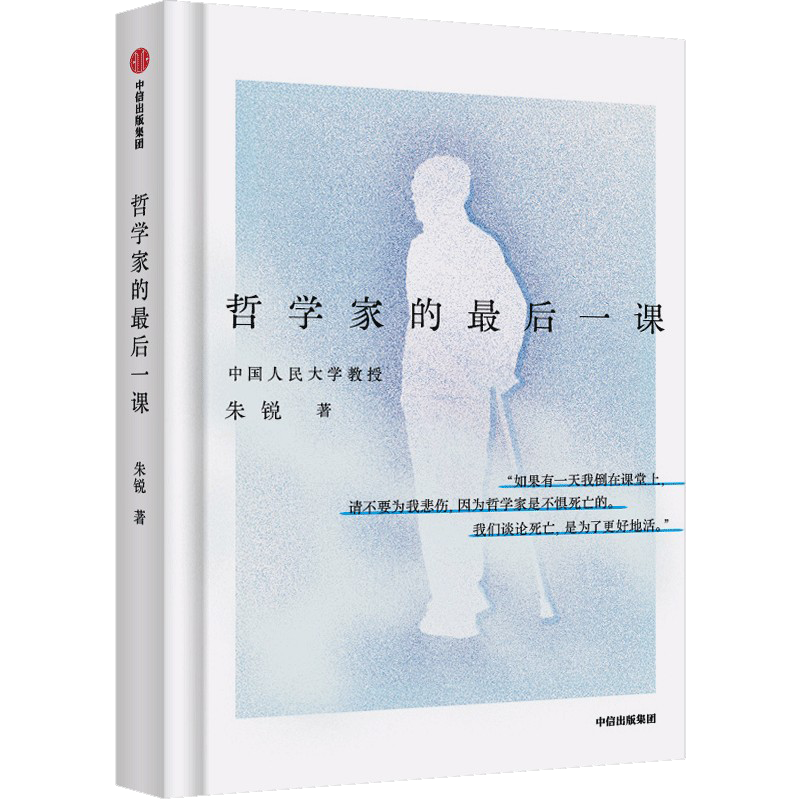
最后一堂哲学课
Di Yi Cai Jing· 2025-07-23 07:37
Core Viewpoint - The article discusses the final thoughts and reflections of Zhu Rui, a prominent philosopher, as he faced terminal cancer, culminating in his last work titled "The Philosopher's Last Lesson" [1][8]. Group 1: Zhu Rui's Illness and Final Days - Zhu Rui was diagnosed with late-stage rectal cancer in the summer of 2022 and fought the disease for over a year, returning to teaching despite undergoing chemotherapy [2][4]. - He completed his last book through a series of conversations while in a palliative care unit, ultimately passing away on August 1, 2024, at the age of 56 [1][4]. Group 2: Philosophical Insights - Zhu Rui emphasized that fear of death stems from ignorance, and he believed that understanding death is essential to living a meaningful life [5][6]. - He viewed death not as an end but as a part of life, suggesting that it should be embraced rather than feared [6][5]. Group 3: Educational Philosophy and Social Concerns - Zhu Rui's teachings attracted significant attention, with classes often exceeding capacity, reflecting his impact on students and society [4]. - He expressed a desire for individuals to connect their desires with the values of their actions, advocating for a society with diverse aspirations and reduced internal competition [5][11]. Group 4: Personal Reflections and Legacy - Zhu Rui's sister, Zhu Sumei, noted that his approach to death and life profoundly influenced her perspective, highlighting the importance of his philosophical insights [9][10]. - His focus on self-esteem in education was rooted in his own experiences, emphasizing the need for individuals to understand their own value and identity [12][11].
在不确定的世界里安顿自己|《哲学家的最后一课》分享会
Xin Jing Bao· 2025-07-16 09:11
Core Viewpoint - The article discusses the philosophical reflections of Professor Zhu Rui on life and death, particularly in the context of his terminal illness and the publication of his final work, "The Philosopher's Last Lesson" [1][5][13]. Group 1: Key Themes of the Book - The book addresses fundamental questions about maintaining dignity and joy in the face of death [3]. - It explores why philosophers are not afraid of death and what truly matters in life when viewed from the end [3]. - It discusses how ordinary people can use philosophy to combat nihilism and fear [3]. Group 2: Context of the Publication - "The Philosopher's Last Lesson" was published in April 2025, compiling Zhu Rui's thoughts during his last days and his final lecture at Renmin University [5][13]. - The book is a result of ten days of discussions between Zhu Rui and a young interlocutor, reflecting on life and death [5][14]. - It aims to provide readers with a multifaceted perspective on life, encouraging a deeper understanding of existence and the challenges it presents [14]. Group 3: Events and Discussions - A discussion event featuring Zhu Rui's colleagues and friends is scheduled for July 19, 2025, to delve into the stories behind the book [2][11]. - The event will include conversations about Zhu Rui's thoughts on death and his legacy [2].