《中国的公与私·公私》

Search documents
案头书|读有洞见的书,做有趣的学问
Xin Lang Cai Jing· 2026-01-11 04:50
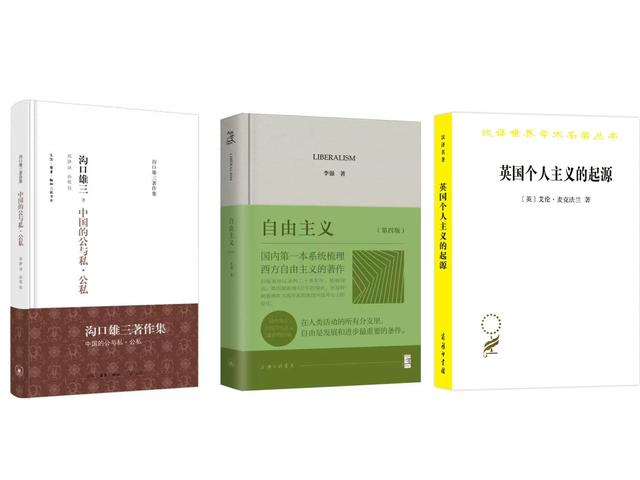
Core Insights - The article discusses the unique characteristics and evolution of the concept of "public" in Chinese society, contrasting it with Japan and the West, emphasizing the historical and philosophical underpinnings of this distinction [4][6]. Group 1: Public and Private in Chinese Context - The concept of "public" in China includes community and state aspects, as well as a moral principle referred to as "天下之公" (the public of the world), which aims to balance individual needs with collective well-being [4]. - The transformation of "private" from a negative to a positive connotation is highlighted, indicating its growing importance in the context of socialism and historical ideologies like the Three Principles of the People [4]. Group 2: Comparative Analysis with Western and Japanese Concepts - The article notes that in Western and Japanese contexts, "private" serves as the logical foundation for establishing "public," contrasting with China's approach where "public" is a transcendent principle that encompasses individual interests [6]. - Understanding the differences in the public-private dichotomy between China, the West, and Japan can deepen insights into the unique characteristics of China's societal structure [6]. Group 3: Recommended Readings - The article suggests several readings for further exploration of these themes, including "自由主义" (Liberalism) by Li Qiang, which provides a systematic understanding of Western liberalism and individualism [6][7]. - Another recommended book is "The Origins of English Individualism" by Alan Macfarlane, which discusses the historical roots of individualism in England, focusing on property rights [7].