
公与私

Search documents
朱熹究竟如何看待人欲
Xin Lang Cai Jing· 2026-01-19 23:20
Group 1 - The core idea of Zhu Xi's philosophy is that the eradication of human desires is not feasible, as desires are inherently linked to external influences and cannot be completely eliminated [1][2][3] - Zhu Xi emphasizes that the concepts of public and private are not mutually exclusive but rather interrelated, with private considerations serving as a foundation for public virtues [2][4] - The notion of "eradicating human desires" is a misinterpretation of Zhu Xi's teachings, which actually advocate for the regulation of desires rather than their complete suppression [3][4] Group 2 - Zhu Xi argues that unrestrained human desires can lead to self-destruction, as they are a form of emotion that must be controlled by natural principles [3][4] - The philosopher highlights the importance of understanding one's inner nature and aligning it with external realities, suggesting that true rationality comes from this alignment [5][6] - Zhu Xi's concept of "learning for oneself" emphasizes the pursuit of inner rationality rather than external gains, advocating for a practical approach to education that aligns with one's inherent nature [5][6]
案头书|读有洞见的书,做有趣的学问
Xin Lang Cai Jing· 2026-01-11 04:50
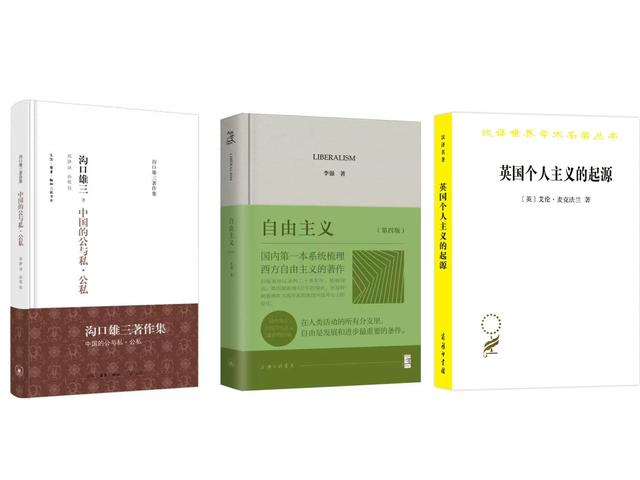
Core Insights - The article discusses the unique characteristics and evolution of the concept of "public" in Chinese society, contrasting it with Japan and the West, emphasizing the historical and philosophical underpinnings of this distinction [4][6]. Group 1: Public and Private in Chinese Context - The concept of "public" in China includes community and state aspects, as well as a moral principle referred to as "天下之公" (the public of the world), which aims to balance individual needs with collective well-being [4]. - The transformation of "private" from a negative to a positive connotation is highlighted, indicating its growing importance in the context of socialism and historical ideologies like the Three Principles of the People [4]. Group 2: Comparative Analysis with Western and Japanese Concepts - The article notes that in Western and Japanese contexts, "private" serves as the logical foundation for establishing "public," contrasting with China's approach where "public" is a transcendent principle that encompasses individual interests [6]. - Understanding the differences in the public-private dichotomy between China, the West, and Japan can deepen insights into the unique characteristics of China's societal structure [6]. Group 3: Recommended Readings - The article suggests several readings for further exploration of these themes, including "自由主义" (Liberalism) by Li Qiang, which provides a systematic understanding of Western liberalism and individualism [6][7]. - Another recommended book is "The Origins of English Individualism" by Alan Macfarlane, which discusses the historical roots of individualism in England, focusing on property rights [7].

人民论坛:道是“无情”却“有情”
Ren Min Ri Bao· 2025-08-04 04:08
Group 1 - The core message emphasizes the importance of prioritizing public interest over personal relationships and the need for integrity among party members [1][2][3] - The historical context highlights how leaders like Mao Zedong balanced personal relationships with principles, demonstrating that it is possible to maintain both without compromising integrity [2] - The narrative illustrates the necessity of distinguishing between public duties and private interests, advocating for strict adherence to laws and regulations in all interactions [3] Group 2 - The text underscores the value of compassion and care in leadership, suggesting that strictness should be balanced with warmth to maintain ethical standards [3] - Examples of individuals like Zhang Guimei and Zhou Yongkai are provided to showcase the commitment to serving the public and the sacrifices made for the benefit of the community [3] - The overarching theme is the dedication to the people, reflecting the core values of the Communist Party in prioritizing the welfare of the masses above personal gain [3]