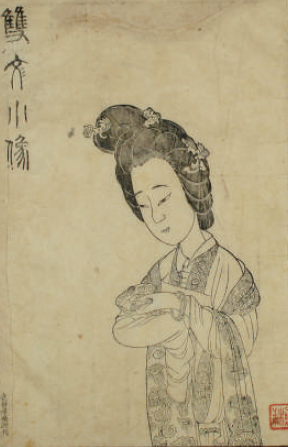
《九歌图》

Search documents
高古“唐流” 绘刻双绝
Xin Lang Cai Jing· 2025-12-20 21:05
Core Viewpoint - The article discusses the significance of the "Zhang Shen Zhi Zheng Bei Xiang Mi Ben" and its illustrations by Chen Hongshou, highlighting its artistic and historical value in the context of late Ming dynasty printmaking and literature [5][8]. Group 1: Artistic Significance - The "Yingying Portrait" at the beginning of the volume is characterized by its elaborate attire and symbolic elements, reflecting influences from Tang dynasty court lady paintings and Chen Hongshou's own style [6][7]. - Chen Hongshou's choice of the Tang style for the illustrations demonstrates his pursuit of high antiquity and the integration of traditional aesthetics into his work [7][10]. - The "Quyi Tu" series, consisting of five illustrations, showcases the artist's skill and the unique characteristics of printmaking, emphasizing the importance of visual representation in late Ming drama [8][10]. Group 2: Historical Context - The volume is part of a broader literary and artistic tradition, with a list of 32 contributors indicating a vibrant cultural network in Zhejiang, where many poets and artists interacted [8][9]. - Zhang Shen, the book's namesake, had a notable lineage and military background, which is reflected in the themes of loyalty and virtue present in the illustrations [9][10]. - The preservation and quality of the Zhejiang Provincial Museum's copy of the book are highlighted, marking it as one of the best among existing editions, thus contributing to the understanding of ancient Chinese literature and art [11].

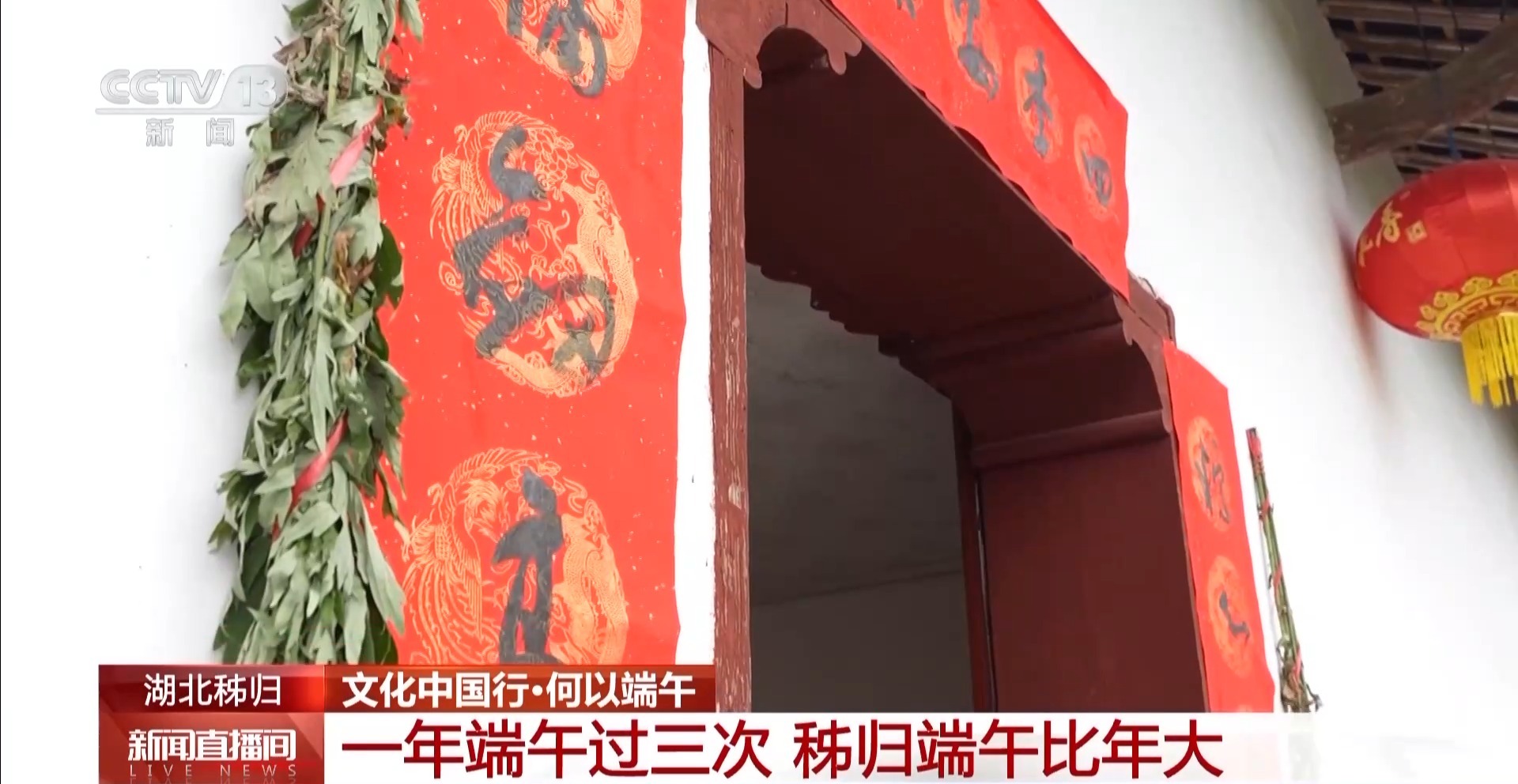
文化中国行丨在屈原故里,端午是持续近一个月的节日
Yang Shi Xin Wen Ke Hu Duan· 2025-05-31 13:44
Group 1 - The Dragon Boat Festival, one of the oldest festivals in China, is widely celebrated to commemorate Qu Yuan, a poet from the Warring States period [1][2] - In Qu Yuan's hometown, Zigui, Hubei, the festival is celebrated three times: the first on the fifth day of the fifth month, the second on the fifteenth, and the last on the twenty-fifth [2][4] - The local customs include hanging couplets and mugwort to pray for health and commemorate Qu Yuan's spirit [4][6] Group 2 - The festival is a significant family reunion time, where families gather to honor Qu Yuan and enjoy a reunion meal, often featuring oranges, which are a local specialty [6][15] - The "Sanlu Saotan" poetry society, established in the Ming Dynasty, continues the tradition of reciting Qu Yuan's poetry during the festival, with members often being local farmers [9][11] - The poetry recitation is done in local dialect, emphasizing the emotional and patriotic themes present in Qu Yuan's works [11][13] Group 3 - The Dragon Boat Festival is recognized as the first Chinese festival to be included in the UNESCO Intangible Cultural Heritage list, highlighting its cultural significance [16][18] - Historical texts indicate that the festival has been associated with Qu Yuan for over a thousand years, reflecting deep national sentiments [20][22] - The festival's activities, including dragon boat racing, are a vibrant expression of community spirit and cultural heritage, attracting participants from various backgrounds [25][27]