《离骚》

Search documents
天津日报数字报刊平台-马年说马
Xin Lang Cai Jing· 2026-02-18 21:22
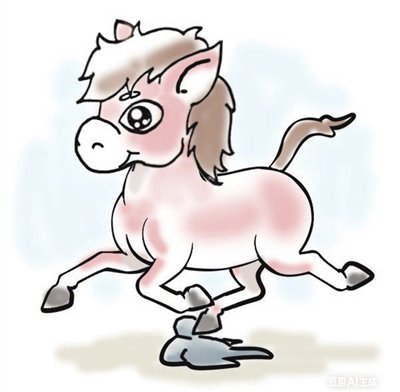
Group 1 - The article reflects on the significance of the idiom "天马行空" (Heavenly Horse Galloping in the Sky), which symbolizes unrestrained thoughts and actions, as well as fluid and exceptional writing style [3][5] - The historical context of the "马踏飞燕" (Galloping Horse Treading on a Flying Bird) bronze sculpture is highlighted, emphasizing its artistic value and the creativity behind its design [5] - The idiom "汗马功劳" (Sweat and Labor for Achievements) is discussed, originally referring to military accomplishments and now broadly recognizing hard work and contributions [6][7] Group 2 - The article mentions the cultural significance of horses in Chinese history, particularly in literature and folklore, showcasing their role in stories like that of Hua Mulan [7] - The narrative connects the idioms and historical references to the celebration of the Year of the Horse, wishing well for those born in this zodiac year [7]

刘梦溪|读书与修身
Xin Lang Cai Jing· 2026-01-08 00:26
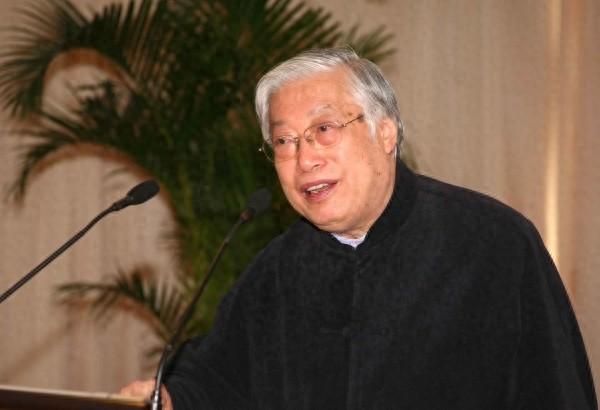
Core Viewpoint - The importance of reading and its impact on personal development and societal contribution is emphasized, highlighting that reading is essential not only for academic pursuits but also for personal growth and cultural continuity [3][4][5]. Group 1: Importance of Reading - Reading is essential for both scholars and ordinary citizens, as it enriches life and culture [3][4]. - It is stated that reading can change one's temperament and character, as noted by historical figures like Zhu Xi [3][6]. - The act of reading is portrayed as a means to shed undesirable habits and cultivate a refined character [6][9]. Group 2: Personal Experiences and Influences - The speaker shares personal anecdotes about their educational journey and the influence of literature on their life, including early exposure to classical texts [4][23][25]. - The impact of various literary works, including Western literature, on personal development is discussed, indicating a broad appreciation for diverse literary traditions [25][26]. Group 3: Recommended Reading - A list of essential Chinese texts is provided, including "The Analects," "The Book of Songs," and "Records of the Grand Historian," which are deemed crucial for understanding Chinese culture and philosophy [10][11][12][13][14]. - The necessity of reading foreign literature alongside Chinese classics is emphasized, with specific works by philosophers and authors like Plato, Aristotle, and Tolstoy recommended [19][20]. Group 4: Reading Approaches - Different reading methods are suggested, including professional reading for academic purposes and leisurely reading for personal enjoyment, with the latter being encouraged for its enriching benefits [21][22]. - The significance of reading classical texts, such as the Six Classics, is highlighted, advocating for their inclusion in modern education [28].
文化中国行丨在屈原故里,端午是持续近一个月的节日
Yang Shi Xin Wen Ke Hu Duan· 2025-05-31 13:44
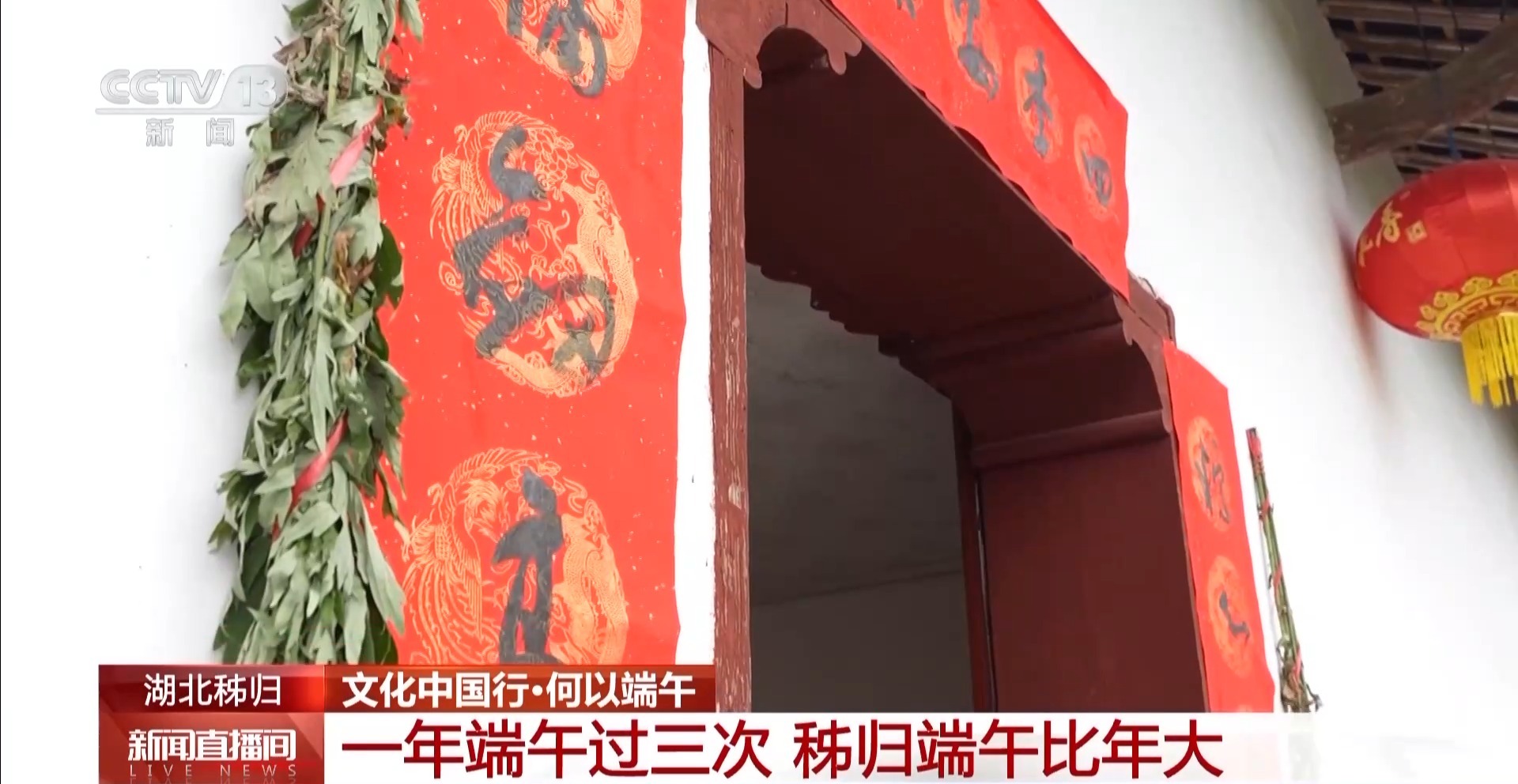
Group 1 - The Dragon Boat Festival, one of the oldest festivals in China, is widely celebrated to commemorate Qu Yuan, a poet from the Warring States period [1][2] - In Qu Yuan's hometown, Zigui, Hubei, the festival is celebrated three times: the first on the fifth day of the fifth month, the second on the fifteenth, and the last on the twenty-fifth [2][4] - The local customs include hanging couplets and mugwort to pray for health and commemorate Qu Yuan's spirit [4][6] Group 2 - The festival is a significant family reunion time, where families gather to honor Qu Yuan and enjoy a reunion meal, often featuring oranges, which are a local specialty [6][15] - The "Sanlu Saotan" poetry society, established in the Ming Dynasty, continues the tradition of reciting Qu Yuan's poetry during the festival, with members often being local farmers [9][11] - The poetry recitation is done in local dialect, emphasizing the emotional and patriotic themes present in Qu Yuan's works [11][13] Group 3 - The Dragon Boat Festival is recognized as the first Chinese festival to be included in the UNESCO Intangible Cultural Heritage list, highlighting its cultural significance [16][18] - Historical texts indicate that the festival has been associated with Qu Yuan for over a thousand years, reflecting deep national sentiments [20][22] - The festival's activities, including dragon boat racing, are a vibrant expression of community spirit and cultural heritage, attracting participants from various backgrounds [25][27]