《天问》

Search documents
天津日报数字报刊平台-马年说马
Xin Lang Cai Jing· 2026-02-18 21:22
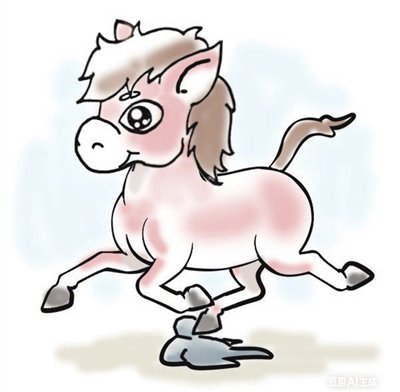
Group 1 - The article reflects on the significance of the idiom "天马行空" (Heavenly Horse Galloping in the Sky), which symbolizes unrestrained thoughts and actions, as well as fluid and exceptional writing style [3][5] - The historical context of the "马踏飞燕" (Galloping Horse Treading on a Flying Bird) bronze sculpture is highlighted, emphasizing its artistic value and the creativity behind its design [5] - The idiom "汗马功劳" (Sweat and Labor for Achievements) is discussed, originally referring to military accomplishments and now broadly recognizing hard work and contributions [6][7] Group 2 - The article mentions the cultural significance of horses in Chinese history, particularly in literature and folklore, showcasing their role in stories like that of Hua Mulan [7] - The narrative connects the idioms and historical references to the celebration of the Year of the Horse, wishing well for those born in this zodiac year [7]

如何获得内心的安宁?在古罗马哲学家塞涅卡看来……
Xin Lang Cai Jing· 2026-01-01 08:29
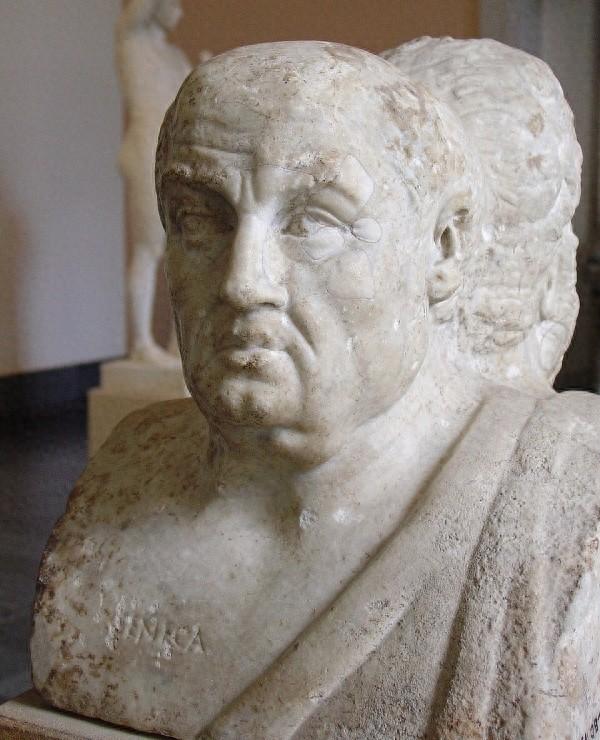
Group 1 - Seneca was a prominent figure in the Stoic school and a significant politician during the early Roman Empire, known for his extensive writings including essays and tragedies [1][4] - He was born in Cordova, Spain, to a family of the Roman equestrian class and received training in rhetoric and philosophy, particularly from the Stoic philosopher Attalus [1][3] - Seneca's early life was marked by health issues, including respiratory problems, which led him to spend time in Egypt for treatment [1] Group 2 - Seneca's political career began when he returned to Rome and quickly rose to become a senator, eventually becoming a tutor and advisor to Emperor Nero [5][6] - His tenure as a statesman was characterized by significant political maneuvering, particularly during the power struggles surrounding Nero's ascension to the throne [5][7] - Under Nero's rule, Seneca played a crucial role in stabilizing the empire, implementing reforms that benefited the populace, such as the abolition of indirect taxes and measures to curb corruption [9][11] Group 3 - After the death of Nero's mother, Agrippina, the power dynamics shifted, leading to a decline in Seneca's influence as Nero became more tyrannical and indulgent [13][14] - Seneca faced increasing political opposition and was accused of various improprieties, which culminated in a loss of favor with Nero [11][15] - Despite his attempts to retire and distance himself from court politics, Seneca remained under threat from Nero's suspicions and the machinations of his enemies [14][15] Group 4 - Seneca's death in 65 AD was a result of his alleged involvement in a conspiracy against Nero, leading to his forced suicide [16][17] - His final moments were marked by philosophical reflections and a calm acceptance of death, drawing parallels to the death of Socrates [17] Group 5 - Seneca's literary contributions include a wide range of works, primarily focusing on moral philosophy, natural philosophy, and tragedies that reflect Stoic thought [18][19] - His philosophical writings, particularly the "Moral Letters to Lucilius," cover various themes such as friendship, anxiety, fate, and the pursuit of happiness, serving as a guide for living a virtuous life [20][21] - Seneca's style is noted for its clarity and elegance, making him a significant figure in Latin literature [21]
文化中国行丨在屈原故里,端午是持续近一个月的节日
Yang Shi Xin Wen Ke Hu Duan· 2025-05-31 13:44
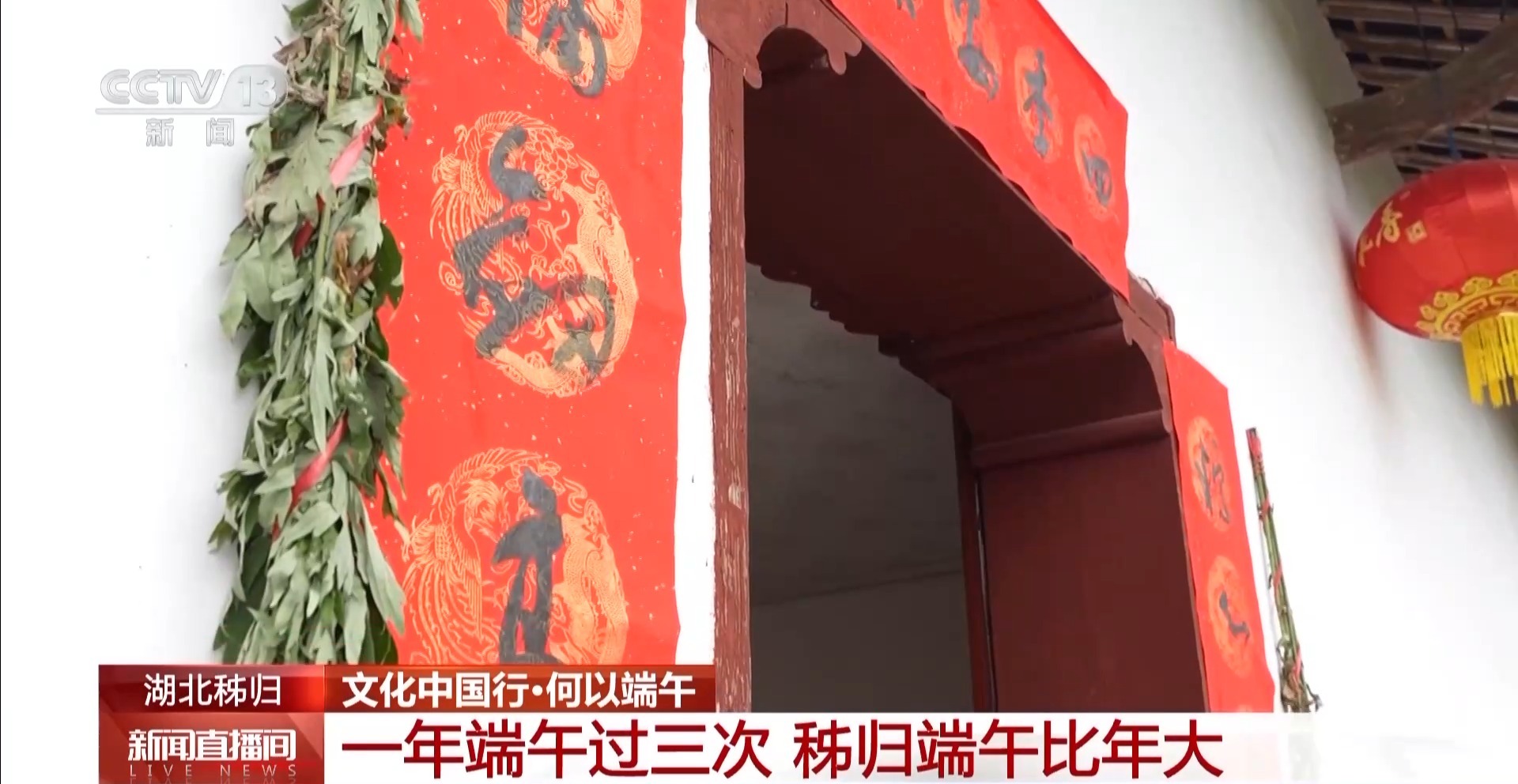
Group 1 - The Dragon Boat Festival, one of the oldest festivals in China, is widely celebrated to commemorate Qu Yuan, a poet from the Warring States period [1][2] - In Qu Yuan's hometown, Zigui, Hubei, the festival is celebrated three times: the first on the fifth day of the fifth month, the second on the fifteenth, and the last on the twenty-fifth [2][4] - The local customs include hanging couplets and mugwort to pray for health and commemorate Qu Yuan's spirit [4][6] Group 2 - The festival is a significant family reunion time, where families gather to honor Qu Yuan and enjoy a reunion meal, often featuring oranges, which are a local specialty [6][15] - The "Sanlu Saotan" poetry society, established in the Ming Dynasty, continues the tradition of reciting Qu Yuan's poetry during the festival, with members often being local farmers [9][11] - The poetry recitation is done in local dialect, emphasizing the emotional and patriotic themes present in Qu Yuan's works [11][13] Group 3 - The Dragon Boat Festival is recognized as the first Chinese festival to be included in the UNESCO Intangible Cultural Heritage list, highlighting its cultural significance [16][18] - Historical texts indicate that the festival has been associated with Qu Yuan for over a thousand years, reflecting deep national sentiments [20][22] - The festival's activities, including dragon boat racing, are a vibrant expression of community spirit and cultural heritage, attracting participants from various backgrounds [25][27]