《在故宫寻找苏东坡》

Search documents
作家祝勇:懂历史才能读懂故宫历史
Zhong Guo Xin Wen Wang· 2026-01-27 12:14
Core Viewpoint - The author Zhu Yong emphasizes the importance of understanding history to appreciate the cultural significance of the Forbidden City, as highlighted during his book sharing event for "Awakening Era: China from 1911 to 1920" [1][3]. Group 1: Author's Background and Work - Zhu Yong is a multifaceted individual, serving as a writer and documentary director, and is the director of the Palace Museum's Cultural Communication Research Institute [5]. - He has authored several best-selling books focused on the Forbidden City, including "The Hidden Corners of the Forbidden City" and "The Beauty of Ancient Art in the Forbidden City," which have contributed to his prominence in the literary field [5]. - Zhu views the Forbidden City as a source of inspiration and a place of return, stating that it serves as a "treasure trove" for his creative work [5]. Group 2: Cultural Promotion and Historical Insight - Zhu Yong actively promotes traditional culture through literature, connecting art, history, and life, and aims to present the historical reality of the relocation of cultural relics during the war in his novel "National Treasure" [7]. - He believes that the artifacts in the Forbidden City represent the tangible history of Chinese civilization, asserting that understanding history is essential to comprehend the significance of the Forbidden City [7]. - Zhu's experiences in the Forbidden City have deepened his understanding, leading him to continuously seek more knowledge about its history and cultural context [6].


苏东坡与饭圈写作
Hu Xiu· 2025-07-18 12:49
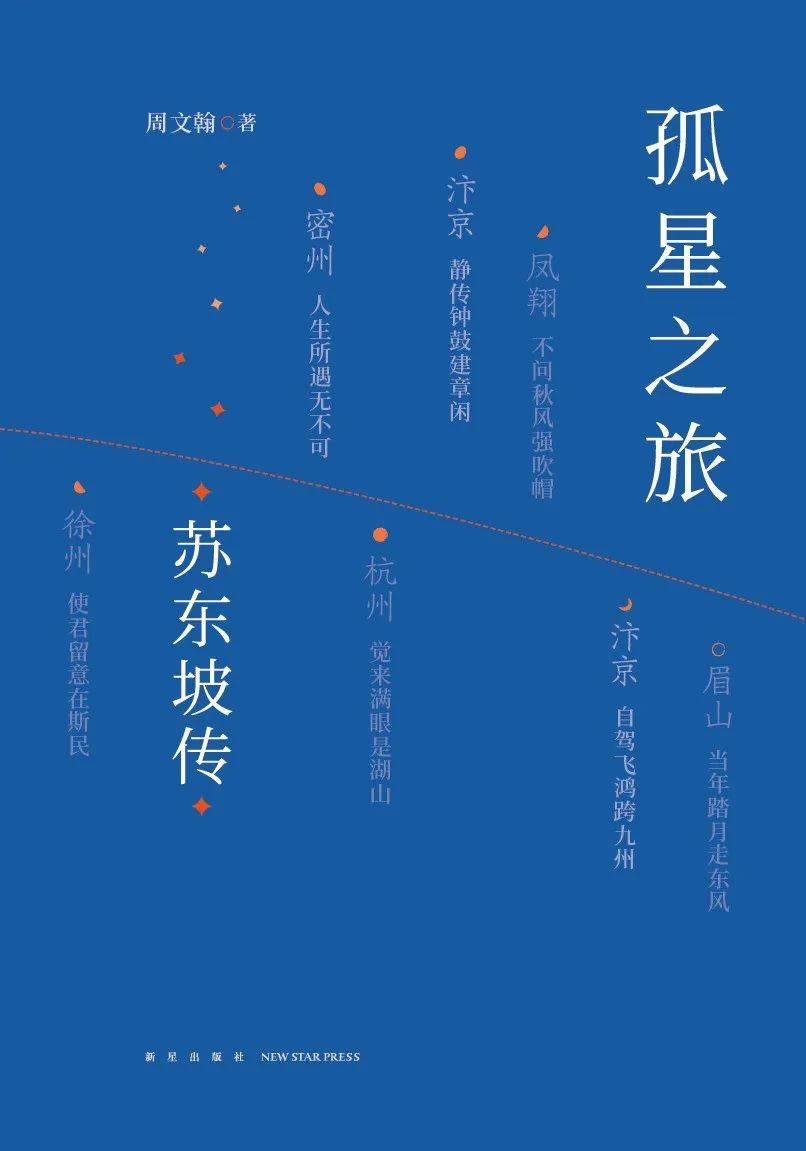
Core Viewpoint - The controversy surrounding Yi Gongzi's book "Meeting Su Dongpo in Life" primarily revolves around the interpretation of Su Dongpo's stance on "suppressing people's resistance" as mentioned in the accompanying timeline, which has sparked significant debate among scholars [1][4][5]. Group 1: Controversy and Criticism - The criticism directed at Yi Gongzi appears to be exaggerated and somewhat disconnected from the actual content of the book [2][5]. - The phrase "suppressing people's resistance" is derived from the "Complete Works of Su Dongpo" and has historical context that influences its interpretation [3][4]. - Critics have accused Yi Gongzi of misrepresenting Su Dongpo, despite her efforts to uphold his positive image throughout the book [5][19]. Group 2: Writing Style and Market Trends - The phenomenon of "fan circle writing" is prevalent in biographies of historical figures, where authors often exhibit excessive admiration for their subjects, leading to a distorted portrayal [6][19]. - Lin Yutang's "Biography of Su Dongpo" is highlighted as a classic example of this trend, remaining popular for its idealized depiction of Su Dongpo [6][7][8]. - The current market for Su Dongpo biographies is saturated with similar writing styles that prioritize emotional resonance over factual accuracy [19][21]. Group 3: Historical Accuracy and Modern Perspectives - Yi Gongzi's claims about Su Dongpo being the first official exiled to the southern regions are factually incorrect, as there were earlier instances of officials facing similar fates [25][26]. - The book's portrayal of Su Dongpo's political roles and actions lacks nuance and fails to acknowledge the complexities of his character and historical context [27][29]. - The narrative surrounding Su Dongpo's medical practices, particularly regarding the "Shengsanzi" remedy, is criticized for lacking modern scientific validation and for potentially misleading readers about its efficacy [31][33][41]. Group 4: Implications of Fan Circle Writing - The trend of "fan circle writing" simplifies historical figures into symbols of perfection, obscuring their complexities and flaws [39][41]. - This writing style caters to a market demand for clear, emotionally satisfying narratives, but at the cost of historical depth and accuracy [40][42]. - A call for a return to critical thinking and modern intellectual standards in historical writing is emphasized, advocating for a more nuanced understanding of figures like Su Dongpo [42][43].