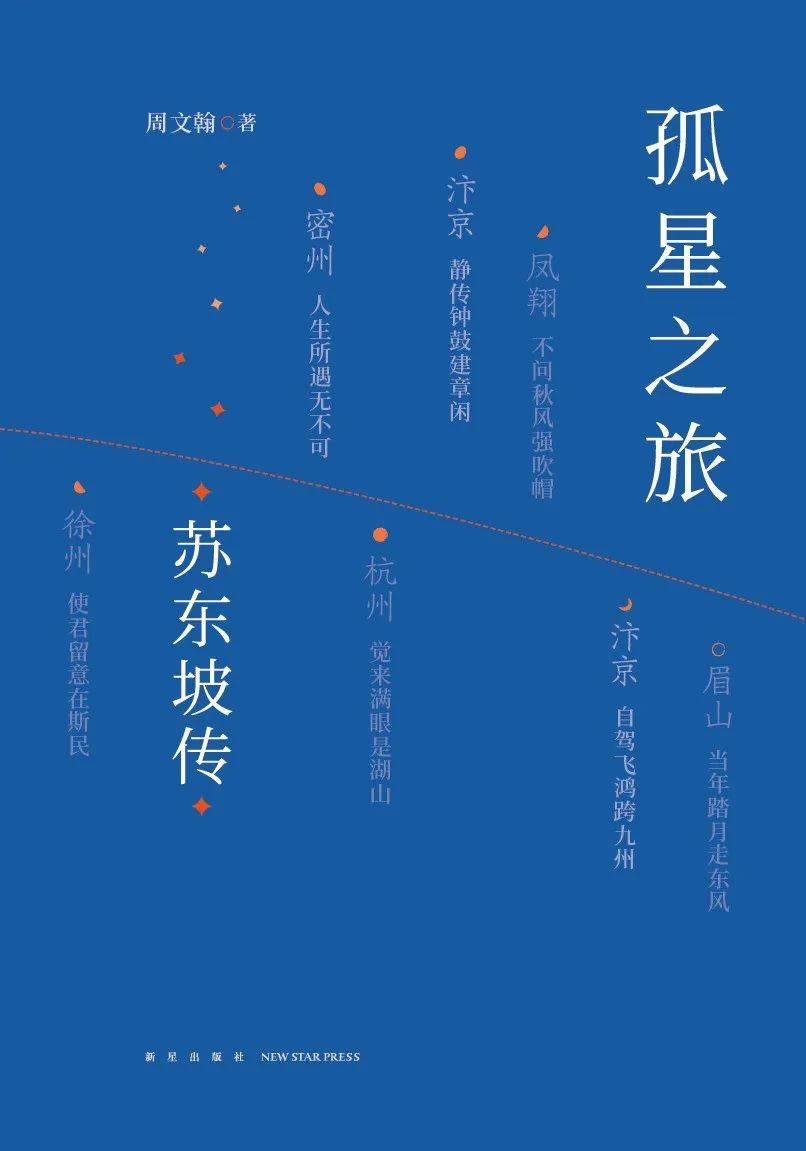
《苏东坡新传》

Search documents
阅读点亮我的人生(文化中国行·人文观察)
Ren Min Ri Bao· 2026-02-01 02:40
Core Viewpoint - The article emphasizes the transformative power of reading in shaping individuals' lives and perspectives, highlighting its role in personal growth and cultural understanding [6][18]. Group 1: Importance of Reading - Reading is portrayed as a vital activity that enriches individuals' inner worlds and provides strength in challenging times [10][21]. - The implementation of the "National Reading Promotion Regulations" aims to enhance the legal framework for building a reading society, fostering a culture of reading [6][18]. Group 2: Personal Experiences with Reading - Various authors share their personal journeys, illustrating how reading has influenced their life choices and career paths, such as becoming educators or cultural workers [15][16][19]. - The narratives reflect on the impact of specific books and authors, demonstrating how literature can inspire and guide individuals through different life stages [15][19]. Group 3: Cultural and Historical Context - The evolution of Chinese drama and literature is discussed, showcasing the blend of romanticism and realism throughout history, which has been a source of inspiration for many artists [9][10]. - The article highlights the importance of understanding cultural heritage through reading, as it connects individuals to their roots and broadens their worldview [9][10][19].

苏东坡与饭圈写作
Hu Xiu· 2025-07-18 12:49
Core Viewpoint - The controversy surrounding Yi Gongzi's book "Meeting Su Dongpo in Life" primarily revolves around the interpretation of Su Dongpo's stance on "suppressing people's resistance" as mentioned in the accompanying timeline, which has sparked significant debate among scholars [1][4][5]. Group 1: Controversy and Criticism - The criticism directed at Yi Gongzi appears to be exaggerated and somewhat disconnected from the actual content of the book [2][5]. - The phrase "suppressing people's resistance" is derived from the "Complete Works of Su Dongpo" and has historical context that influences its interpretation [3][4]. - Critics have accused Yi Gongzi of misrepresenting Su Dongpo, despite her efforts to uphold his positive image throughout the book [5][19]. Group 2: Writing Style and Market Trends - The phenomenon of "fan circle writing" is prevalent in biographies of historical figures, where authors often exhibit excessive admiration for their subjects, leading to a distorted portrayal [6][19]. - Lin Yutang's "Biography of Su Dongpo" is highlighted as a classic example of this trend, remaining popular for its idealized depiction of Su Dongpo [6][7][8]. - The current market for Su Dongpo biographies is saturated with similar writing styles that prioritize emotional resonance over factual accuracy [19][21]. Group 3: Historical Accuracy and Modern Perspectives - Yi Gongzi's claims about Su Dongpo being the first official exiled to the southern regions are factually incorrect, as there were earlier instances of officials facing similar fates [25][26]. - The book's portrayal of Su Dongpo's political roles and actions lacks nuance and fails to acknowledge the complexities of his character and historical context [27][29]. - The narrative surrounding Su Dongpo's medical practices, particularly regarding the "Shengsanzi" remedy, is criticized for lacking modern scientific validation and for potentially misleading readers about its efficacy [31][33][41]. Group 4: Implications of Fan Circle Writing - The trend of "fan circle writing" simplifies historical figures into symbols of perfection, obscuring their complexities and flaws [39][41]. - This writing style caters to a market demand for clear, emotionally satisfying narratives, but at the cost of historical depth and accuracy [40][42]. - A call for a return to critical thinking and modern intellectual standards in historical writing is emphasized, advocating for a more nuanced understanding of figures like Su Dongpo [42][43].