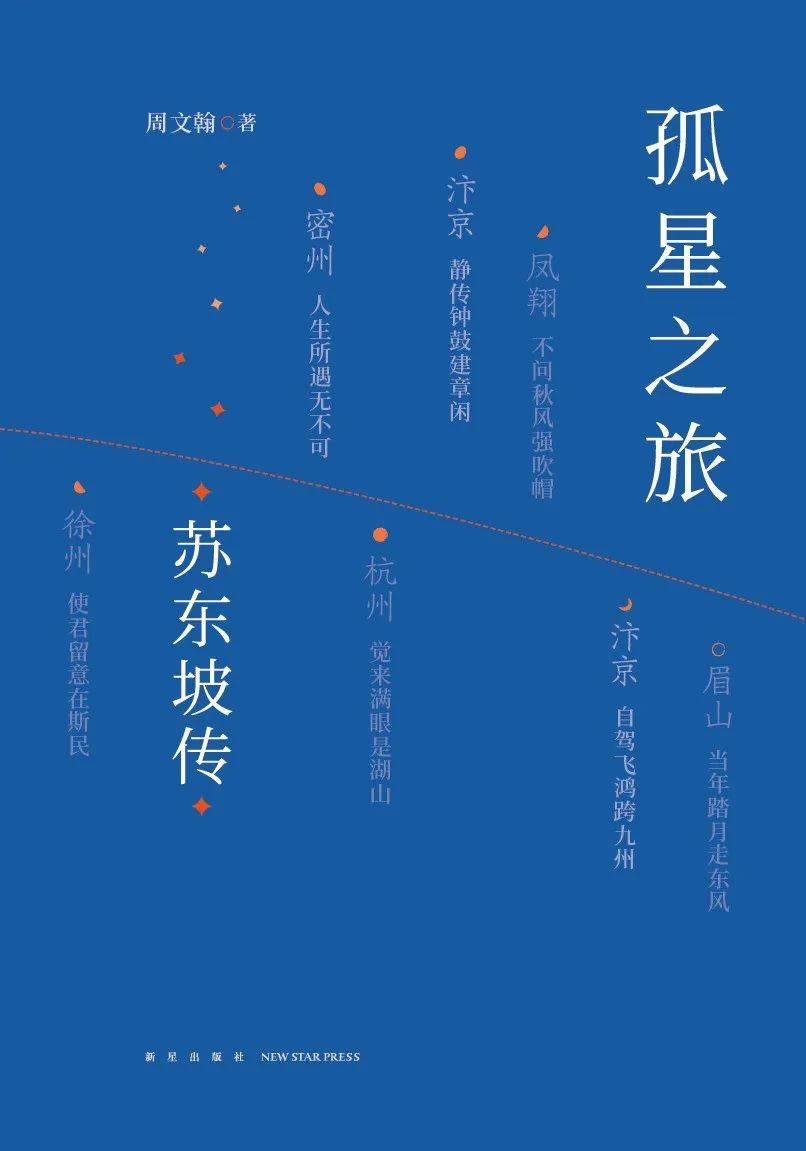
《苏东坡传》

Search documents
阅读点亮我的人生(文化中国行·人文观察)
Ren Min Ri Bao· 2026-02-01 02:40
Core Viewpoint - The article emphasizes the transformative power of reading in shaping individuals' lives and perspectives, highlighting its role in personal growth and cultural understanding [6][18]. Group 1: Importance of Reading - Reading is portrayed as a vital activity that enriches individuals' inner worlds and provides strength in challenging times [10][21]. - The implementation of the "National Reading Promotion Regulations" aims to enhance the legal framework for building a reading society, fostering a culture of reading [6][18]. Group 2: Personal Experiences with Reading - Various authors share their personal journeys, illustrating how reading has influenced their life choices and career paths, such as becoming educators or cultural workers [15][16][19]. - The narratives reflect on the impact of specific books and authors, demonstrating how literature can inspire and guide individuals through different life stages [15][19]. Group 3: Cultural and Historical Context - The evolution of Chinese drama and literature is discussed, showcasing the blend of romanticism and realism throughout history, which has been a source of inspiration for many artists [9][10]. - The article highlights the importance of understanding cultural heritage through reading, as it connects individuals to their roots and broadens their worldview [9][10][19].

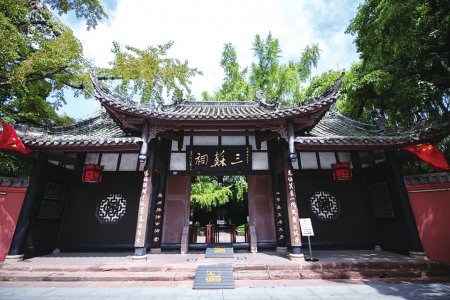
大寒与东坡诗趣
Xin Lang Cai Jing· 2026-01-15 10:09
Core Viewpoint - The article reflects on the life and poetry of Su Shi during the "Da Han" (Great Cold) solar term, emphasizing his optimism and humor despite facing adversity and poverty [1][2][3][4][5][6] Group 1: Su Shi's Poetry and Life - Su Shi wrote the poem "Da Han Bu Zhi Dong Po Zeng Chao San" during his exile in Huangzhou, showcasing his optimistic spirit and humor despite his difficult circumstances [2] - The poem expresses deep friendship and gratitude towards his companion Chao Gu, while also highlighting his impoverished living conditions during the harsh winter [2] - Su Shi's poetry often contrasts the harshness of life with a hopeful outlook, as seen in his use of the word "spring" to signify hope amidst the cold [2][3] Group 2: Themes of Poverty and Resilience - The article draws parallels between Su Shi's experiences and those of other poets like Meng Jiao and Jia Dao, who also faced poverty and hardship, yet their works reflect a sense of resilience [3] - Su Shi's ability to find joy and humor in his struggles is highlighted, with references to his famous lines that convey a carefree attitude despite life's challenges [3][4] - The narrative also includes the story of Song Lian, who, despite his impoverished background, persevered in his studies during the cold winter, illustrating the theme of resilience in the face of adversity [5][6] Group 3: Cultural Significance of "Da Han" - The term "Da Han" symbolizes not only the cold weather but also the metaphorical coldness of life, representing challenges that individuals must overcome [3][5] - The article emphasizes the cultural significance of perseverance and hope in Chinese literature, as seen in Su Shi's and Song Lian's lives, where hardship is transformed into a source of strength and creativity [5][6]
将满目疮痍修葺成人生风景
Xin Lang Cai Jing· 2026-01-03 19:18
Core Viewpoint - Lin Yutang's biography of Su Dongpo captures the essence of a life filled with resilience, creativity, and a profound connection to nature, illustrating how Su's experiences resonate across time and inspire others [5][10][13]. Group 1: Su Dongpo's Achievements and Character - Su Dongpo's governance in Hangzhou is celebrated for his contributions such as dredging rivers, building embankments, and establishing relief organizations, showcasing his dedication to the welfare of the people [6]. - Lin Yutang admires Su Dongpo's ability to rise above political turmoil, viewing him as a courageous figure who made significant contributions while serving in various provinces [6][7]. - Su Dongpo's life is summarized by the phrase "八三四一," indicating his extensive experience across multiple official positions and regions, reflecting a life of both achievement and adversity [6]. Group 2: Lin Yutang's Reflection on Su Dongpo - Lin Yutang relates to Su Dongpo's struggles, recognizing a shared experience of navigating through political chaos and personal challenges, which deepens his understanding and admiration for Su [7][10]. - The concept of "mirror neurons" in modern psychology is referenced to explain Lin's empathetic connection to Su Dongpo, emphasizing the emotional resonance between the two figures [7]. - Lin Yutang's approach to life contrasts with Su Dongpo's, as he chooses to adapt and find joy in personal pursuits rather than becoming entangled in political affairs [7][10]. Group 3: Philosophical Insights - Su Dongpo's poetry and philosophy reflect a deep appreciation for life's simplicity and the importance of maintaining a positive outlook despite adversity, as illustrated in his poem "定风波" [8][12]. - Lin Yutang highlights the "magical" quality of Su Dongpo's character, describing him as a joyful spirit who embodies resilience and creativity, which serves as an inspiration for others [9][12]. - The biography emphasizes that true happiness comes from adjusting one's life to find peace and contentment, a philosophy that both Su Dongpo and Lin Yutang embody [10][12].
《每天听见吴晓波》邀你一起周末听书
吴晓波频道· 2025-08-14 08:30
Core Viewpoint - The article emphasizes the importance of cultivating a rich intellectual life through reading, suggesting that a well-curated collection of books can shape one's understanding and perspective on life [3][4]. Summary by Sections Reading and Intellectual Growth - The article discusses how an individual's thoughts can be likened to a pharmacy with many compartments, where each compartment represents different areas of knowledge acquired through reading [3]. - It highlights that the selection of books influences both past experiences and future possibilities, advocating for a diverse and deep reading habit [4]. Book Recommendations and Discussions - The author invites readers to engage with a series of deep book discussions, specifically mentioning a recent analysis of Lin Yutang's "The Biography of Su Dongpo," which has garnered positive feedback [5][6]. - The discussions aim to connect historical figures and their contexts to contemporary life, providing insights that resonate with current experiences [11]. Content Offerings - The article outlines the various topics covered in the book discussions, including market environments, personal relationships, and economic insights, indicating a broad range of themes relevant to listeners [13]. - It mentions the availability of a subscription service that offers access to a wealth of content, including over 2000 episodes and regular updates on various subjects [15][32].
苏东坡与饭圈写作
Hu Xiu· 2025-07-18 12:49
Core Viewpoint - The controversy surrounding Yi Gongzi's book "Meeting Su Dongpo in Life" primarily revolves around the interpretation of Su Dongpo's stance on "suppressing people's resistance" as mentioned in the accompanying timeline, which has sparked significant debate among scholars [1][4][5]. Group 1: Controversy and Criticism - The criticism directed at Yi Gongzi appears to be exaggerated and somewhat disconnected from the actual content of the book [2][5]. - The phrase "suppressing people's resistance" is derived from the "Complete Works of Su Dongpo" and has historical context that influences its interpretation [3][4]. - Critics have accused Yi Gongzi of misrepresenting Su Dongpo, despite her efforts to uphold his positive image throughout the book [5][19]. Group 2: Writing Style and Market Trends - The phenomenon of "fan circle writing" is prevalent in biographies of historical figures, where authors often exhibit excessive admiration for their subjects, leading to a distorted portrayal [6][19]. - Lin Yutang's "Biography of Su Dongpo" is highlighted as a classic example of this trend, remaining popular for its idealized depiction of Su Dongpo [6][7][8]. - The current market for Su Dongpo biographies is saturated with similar writing styles that prioritize emotional resonance over factual accuracy [19][21]. Group 3: Historical Accuracy and Modern Perspectives - Yi Gongzi's claims about Su Dongpo being the first official exiled to the southern regions are factually incorrect, as there were earlier instances of officials facing similar fates [25][26]. - The book's portrayal of Su Dongpo's political roles and actions lacks nuance and fails to acknowledge the complexities of his character and historical context [27][29]. - The narrative surrounding Su Dongpo's medical practices, particularly regarding the "Shengsanzi" remedy, is criticized for lacking modern scientific validation and for potentially misleading readers about its efficacy [31][33][41]. Group 4: Implications of Fan Circle Writing - The trend of "fan circle writing" simplifies historical figures into symbols of perfection, obscuring their complexities and flaws [39][41]. - This writing style caters to a market demand for clear, emotionally satisfying narratives, but at the cost of historical depth and accuracy [40][42]. - A call for a return to critical thinking and modern intellectual standards in historical writing is emphasized, advocating for a more nuanced understanding of figures like Su Dongpo [42][43].