《地球脉动》

Search documents
野性的守望:《重返狼群》的伦理争议与共生理想
Xin Lang Cai Jing· 2026-02-17 03:52
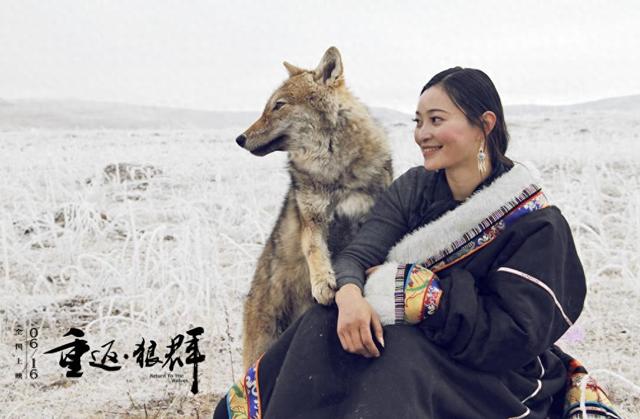
Core Viewpoint - The documentary "Return to the Wolf Pack" has re-emerged in public discourse, highlighting the emotional journey of rescuing a lone wolf named Green and the ethical debates surrounding wildlife documentaries, particularly regarding human intervention and the portrayal of animal relationships [1][18]. Group 1: Controversies and Critiques - The film faces accusations of being staged, with critics arguing that the narrative was crafted with filming intentions from the outset, questioning the authenticity of the documentary [3][4]. - The essence of the critique revolves around the public's expectation of "absolute reality," contrasting with the constructed nature of wildlife documentaries, which often involve significant post-production efforts [3][4]. - The documentary's creators, lacking professional filmmaking resources, faced challenges that prevented adherence to industrial documentary standards, leading to a misalignment between audience expectations and the film's production realities [4][7]. Group 2: Ethical Considerations - The film challenges the "minimal intervention principle" prevalent in traditional wildlife documentaries, which advocate for non-interference in natural behaviors and ecosystems [8][10]. - The active intervention depicted in the film raises ethical questions about the boundaries of human involvement in wildlife, blurring the lines between natural selection and artificial aid [8][9]. - Critics argue that Green's behavior was irreversibly altered due to human care, complicating its reintegration into the wild and highlighting the risks of non-professional wildlife rehabilitation [9][10]. Group 3: Narrative and Presentation - The documentary simplifies the complexities of Green's survival and integration into a wolf pack, a common practice in documentary filmmaking that raises questions about the representation of wildlife realities [12][13]. - The film's narrative strategy emphasizes emotional engagement, which, while effective in raising awareness, may detract from scientific accuracy and ecological education [13][20]. - The distinction between observational and participatory documentary styles is crucial, with the former focusing on objective representation and the latter involving creator intervention to evoke empathy [13][15]. Group 4: Societal Impact and Reflection - "Return to the Wolf Pack" serves as a catalyst for broader discussions on the ideal relationship between humans and animals, emphasizing the importance of preserving natural habitats over direct intervention [18][20]. - The film's narrative extends beyond the individual story of Green to address larger ecological issues, such as habitat restoration and the prevention of poaching, advocating for a holistic view of wildlife conservation [18][20]. - Ultimately, the documentary encourages a reevaluation of human roles in nature, promoting a perspective that prioritizes the autonomy of wildlife and the integrity of ecosystems [20].

人为什么要旅行?这10部高分纪录片就是最好的回答
洞见· 2025-10-02 12:33
Core Viewpoint - The article emphasizes the importance of travel and exploration as a means to gain broader perspectives on life and the world, suggesting that watching high-quality travel documentaries can serve as a substitute for physical travel, enriching one's understanding of diverse cultures and natural beauty [9][10][11]. Group 1: The Importance of Travel - Travel is portrayed as a necessary escape from the monotony of urban life, allowing individuals to experience the vastness of the world [4][5]. - The article references Saint Augustine's quote, highlighting that those who do not travel only read one page of the world's book [6]. - Travel documentaries are presented as windows to the world, enabling viewers to experience places they may never visit in person [12][13]. Group 2: Recommended Documentaries - "Planet Earth" is highlighted as a significant documentary, produced by BBC with a budget of £8 million, showcasing extreme natural wonders across 62 countries and over 200 locations [23][24]. - "Beautiful China" is recommended for its portrayal of China's diverse landscapes and rich biodiversity, consisting of six episodes that reveal the country's wild and vibrant nature [27][29]. - Other notable documentaries include "The Other Me," "Faces, Villages," and "I Live Here for a Reason," each offering unique insights into different cultures and lifestyles [42][51][58]. Group 3: Self-Discovery Through Travel - The concept of the "hero's journey" is introduced, suggesting that stepping out of familiar environments leads to personal growth and self-discovery [62][63]. - Documentaries like "The Hexi Corridor" and "Our Journey" illustrate the transformative power of travel, showcasing historical narratives and extreme adventures that challenge personal limits [71][80]. - The article concludes that travel is not merely an escape but a means to reconnect with oneself and the world, fostering a sense of appreciation and love for life [109][110].