旅行的意义

Search documents
极地行走二十年 雪山少年已成冰川守护者
Xin Lang Cai Jing· 2025-12-29 09:57
Core Insights - The article highlights the personal journey of a young Chinese explorer who has transitioned from mountain climbing to scientific exploration, emphasizing the impact of climate change on glaciers and the environment [1][4]. Group 1: Personal Journey and Exploration - The explorer began climbing at a young age, with significant achievements including summiting multiple peaks and participating in scientific research related to glaciers [2][3]. - The experience of climbing Mount Everest three times marked different life stages, evolving from personal ambition to collective scientific goals [2][3]. Group 2: Climate Change Awareness - The melting of glaciers is presented as a pressing issue that affects billions of lives, particularly in coastal cities, highlighting the urgency of climate action [4]. - Personal experiences, such as nearly drowning in a glacier lake, have deepened the explorer's understanding of climate change and its immediate dangers [3][4]. Group 3: Call to Action - The explorer advocates for a shift in how young people engage with nature, suggesting that travel should be about connecting with the environment rather than mere consumption [5]. - The narrative encourages more youth to witness the effects of climate change firsthand, framing it as an essential educational experience [5].
当你心中装满垃圾,你当离开,便能清空
洞见· 2025-11-19 12:36
Core Viewpoint - The article emphasizes the importance of stepping out of one's comfort zone and exploring new environments to gain fresh perspectives and alleviate life's burdens [4][35]. Group 1: The Benefits of Leaving - Leaving familiar surroundings allows individuals to encounter different landscapes and experiences, which can help clear mental clutter and provide a sense of peace [6][10]. - Engaging with new environments can lead to personal growth and a renewed sense of vitality, as it breaks the monotony of daily life [26][30]. Group 2: Interactions with Others - Meeting new people and engaging in diverse conversations can enrich one's understanding of life and oneself, as different perspectives can illuminate various possibilities [20][22]. - The article highlights that stepping outside familiar social circles can lead to meaningful exchanges that rejuvenate one's spirit [15][24]. Group 3: Changing Life Patterns - The narrative suggests that altering daily routines, even in small ways, can refresh one's mindset and enhance overall well-being [28][32]. - The act of traveling or simply changing one's route home can serve as a catalyst for breaking free from repetitive thought patterns and emotional cycles [29][34].

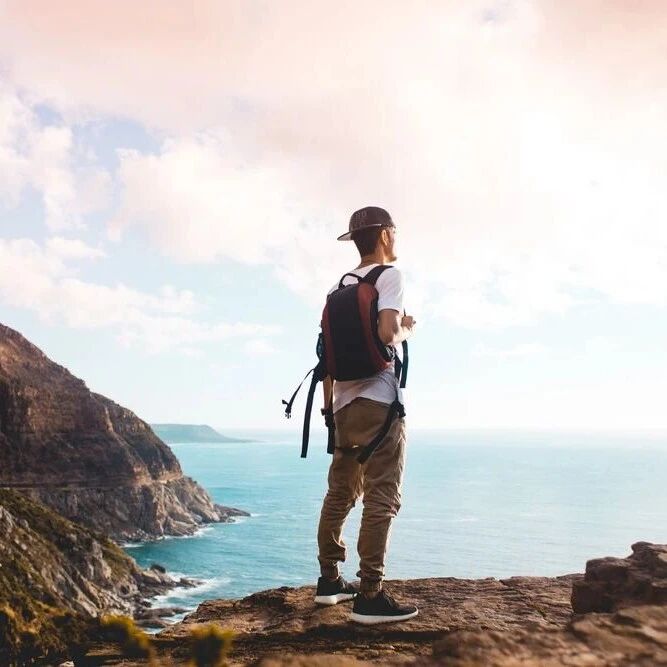
让关系闹掰还是起死回生?被旅行放大的人际交往
Hu Xiu· 2025-10-05 09:57
Core Viewpoint - The article discusses the evolving landscape of travel-related reality shows, highlighting how they amplify interpersonal relationships and experiences during travel, moving beyond mere travel narratives to include elements of drama and personal growth [2][3][5]. Group 1: Trends in Travel Reality Shows - There is a noticeable increase in travel-themed reality shows, which now often incorporate elements from dating and relationship shows, reflecting a shift from pure travel content to more complex interpersonal dynamics [3][5]. - The pandemic has likely influenced this trend, as people are eager to travel after years of restrictions, leading to a surge in travel-related content in media [5][6]. - Travel products are attractive for sponsorship opportunities, as they provide a platform for brands to showcase their products in relatable settings, enhancing the commercial viability of travel shows [6]. Group 2: Interpersonal Dynamics in Travel - Travel reality shows like "Flower Buds 5" create dramatic situations through travel, often by placing celebrities in challenging scenarios, which can lead to conflict and relationship development [7]. - In contrast, dating shows that feature travel often use travel as a backdrop to explore romantic relationships, highlighting the challenges and dynamics that arise when couples travel together [8]. - Travel serves as a unique context for testing and revealing personal values and habits, which can either strengthen or strain relationships [8][10]. Group 3: Cultural Reflections and Social Media Impact - The narrative of travel in literature and media often serves as a means for characters to reassess their lives and relationships, suggesting that travel can lead to personal transformation [10][12]. - Social media has significantly changed how travel is experienced and documented, with a focus on capturing moments for online sharing, which can detract from the immersive experience of travel [18][22]. - The rise of detailed travel guides and social media-driven travel trends has shifted the focus from exploration to validation of experiences, impacting how travelers engage with new environments [21][22]. Group 4: Community and Commercialization - Platforms like Airbnb have transformed the travel experience by facilitating connections between travelers and locals, although commercialization has led to challenges such as gentrification and loss of authentic local experiences [25][26]. - The growth of travel content on social media has diversified the types of travel experiences shared, but it also raises questions about the authenticity and sustainability of these experiences [23][26].

人为什么要旅行?这10部高分纪录片就是最好的回答
洞见· 2025-10-02 12:33
Core Viewpoint - The article emphasizes the importance of travel and exploration as a means to gain broader perspectives on life and the world, suggesting that watching high-quality travel documentaries can serve as a substitute for physical travel, enriching one's understanding of diverse cultures and natural beauty [9][10][11]. Group 1: The Importance of Travel - Travel is portrayed as a necessary escape from the monotony of urban life, allowing individuals to experience the vastness of the world [4][5]. - The article references Saint Augustine's quote, highlighting that those who do not travel only read one page of the world's book [6]. - Travel documentaries are presented as windows to the world, enabling viewers to experience places they may never visit in person [12][13]. Group 2: Recommended Documentaries - "Planet Earth" is highlighted as a significant documentary, produced by BBC with a budget of £8 million, showcasing extreme natural wonders across 62 countries and over 200 locations [23][24]. - "Beautiful China" is recommended for its portrayal of China's diverse landscapes and rich biodiversity, consisting of six episodes that reveal the country's wild and vibrant nature [27][29]. - Other notable documentaries include "The Other Me," "Faces, Villages," and "I Live Here for a Reason," each offering unique insights into different cultures and lifestyles [42][51][58]. Group 3: Self-Discovery Through Travel - The concept of the "hero's journey" is introduced, suggesting that stepping out of familiar environments leads to personal growth and self-discovery [62][63]. - Documentaries like "The Hexi Corridor" and "Our Journey" illustrate the transformative power of travel, showcasing historical narratives and extreme adventures that challenge personal limits [71][80]. - The article concludes that travel is not merely an escape but a means to reconnect with oneself and the world, fostering a sense of appreciation and love for life [109][110].
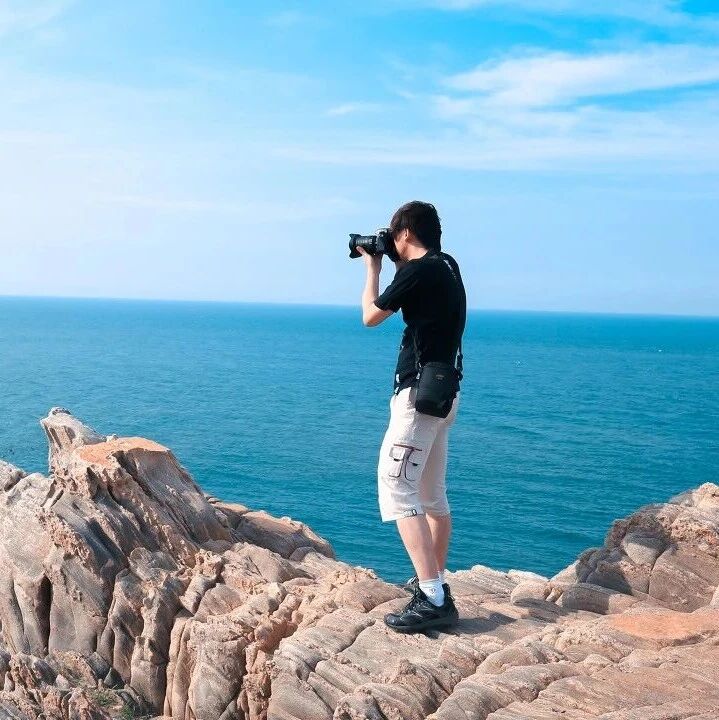
复旦教授的274夜环球航行:旅行是一种病,也是药
Di Yi Cai Jing· 2025-09-22 11:45
Core Insights - The article discusses a nine-month global journey undertaken by Zhang Lifeng, a professor at Fudan University, highlighting the significance of travel in the post-pandemic world [1][3][17] - The journey, which began from Miami, is characterized as the longest cruise in history, emphasizing the transformative nature of travel and its ability to reshape perceptions of the world [3][6] Travel Experience - Zhang Lifeng's journey spans 274 nights across 65 countries and over 150 port cities, reflecting a deep exploration of diverse cultures and landscapes [1][3] - The trip was motivated by a desire to reconnect with the world after the COVID-19 pandemic, described as a form of "revenge against the Earth" [3][4] Challenges Faced - The journey faced unexpected challenges, including a shoulder injury before departure and theft of currency during travel, which disrupted plans and highlighted the fragility of travel freedom [4][6] - Geopolitical tensions, such as the Russia-Ukraine conflict and unrest in the Middle East, led to itinerary changes, underscoring the vulnerability of global trade routes [6][7] Philosophical Reflections - Zhang Lifeng emphasizes the difference between being a traveler and a tourist, advocating for embracing the unexpected and the transformative power of travel [3][12] - The article reflects on the importance of sensory experiences in travel, arguing against outsourcing human perception to technology [15] Cultural Insights - The journey allowed for deep engagement with local cultures, as Zhang Lifeng recorded everyday moments and interactions that reveal the essence of human experience [12][13] - The narrative includes reflections on the significance of personal connections and the emotional impact of travel, suggesting that the most meaningful experiences often arise from the ordinary [9][10] Conclusion - The journey concludes with a return to Shanghai, where Zhang Lifeng expresses a renewed appreciation for his hometown, suggesting that travel ultimately serves to reconnect individuals with their roots [17]