《夜莺》

Search documents
中国儿艺 61场好戏陪孩子过年
Xin Lang Cai Jing· 2026-02-16 21:33
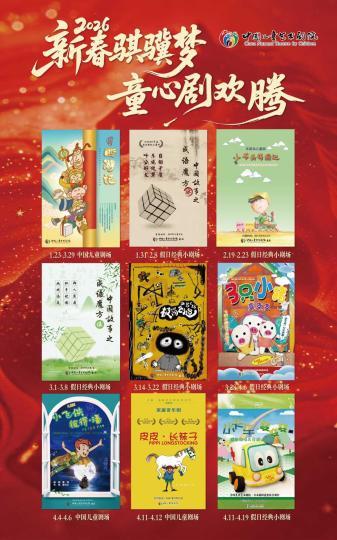
Core Viewpoint - The China Children's Art Theatre is launching a Spring Festival performance season themed "New Year Dream, Children's Joy," featuring 11 excellent children's plays and 61 performances to celebrate the cultural New Year with children [1] Group 1: Performance Highlights - The performance season will run throughout the holiday, showcasing a dense schedule with numerous highlights [1] - The new play "The Nightingale" will debut, conveying the positive value of "truth is beauty" through deep Chinese aesthetics [1] - The series "Journey to the West" (Parts 1 and 2) will be presented, blending classical literature with modern stage forms in an innovative manner [1] - The classic small theater performances include "The Adventures of Little Bu Tou," adapted from Sun Youjun's work, and the fifth part of the "Idiom Magic Cube" series, which lively interprets three idiom stories [1] Group 2: Expanded Accessibility - During the Spring Festival, the China Children's Art Theatre aims to expand its performance reach, allowing more children to enjoy high-quality children's plays close to home [1] - The second part of the "Idiom Magic Cube" series will be performed at the National Grand Theatre, telling Chinese stories through artistic language [1] - "Aesop's Fables" will be presented at Daxing Theatre and Shijingshan Cultural Center, providing a theatrical experience that combines fun, knowledge, and imagination for children [1] Group 3: Interactive Activities - In addition to the performances, the China Children's Art Theatre has prepared a variety of interactive activities for the audience [2] - Attendees can participate in immersive theme photo opportunities, take pictures with actors, and engage in themed stamp collecting and idiom relay challenges [2] - Audience members can receive customized New Year red envelopes and stickers by sharing their viewing experiences [2]
中国儿艺新春演出季61场好戏贺佳节
Xin Lang Cai Jing· 2026-02-16 13:00
Core Viewpoint - The China Children's Art Theatre is launching a Spring Festival performance season featuring 11 outstanding children's plays and 61 performances, themed "New Spring Dream, Joyful Theatre," aimed at providing a cultural and artistic feast for children and families during the holiday period [1]. Group 1: Performance Highlights - The performance season will feature a diverse lineup, including the new play "The Nightingale," which conveys the positive belief that "truth is beauty" through deep Chinese aesthetics, marking a successful start to the season [3]. - The series "Journey to the West" will be presented in two parts, blending classical and modern elements to creatively interpret traditional cultural classics, allowing children to experience a perfect collision of philosophy and playfulness [3]. - The holiday classic small theatre will showcase "The Adventures of Little Cloth Head," leading young audiences on a whimsical adventure, while the fifth part of the "Idiom Magic Cube" series will narrate three idiom stories in a fun manner [3]. Group 2: Expanded Reach and Activities - The China Children's Art Theatre is expanding its performance coverage to allow more children to enjoy high-quality children's theatre close to home, with the second part of the "Idiom Magic Cube" series being performed at the National Grand Theatre [3]. - "Aesop's Fables" will be presented at various venues, including Daxing Theatre and Shijingshan Cultural Center, combining fun, knowledge, and imagination for children [3]. - In addition to performances, the theatre has prepared interactive activities such as immersive theme photo opportunities, actor meet-and-greets, and challenges related to the plays, enhancing audience engagement [4].

中国大戏院向“智慧剧场”蜕变
Xin Lang Cai Jing· 2026-01-02 21:37
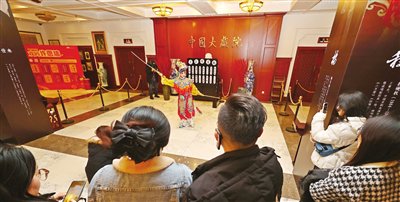
Group 1 - The core idea of the article highlights the recent performances of immersive theater productions, "Mei Lanfang: The Path of a Master" and "Nightingale," at the China Grand Theatre, showcasing a blend of traditional and modern theatrical elements [3] - The Northern Performing Arts Group plans to establish a drama incubation platform at the China Grand Theatre to support young theatrical talents and create productions that balance artistic value with market appeal [3] - "Nightingale" features an immersive experience set in a 1930s cabaret, allowing audience participation in the storyline, while "Mei Lanfang: The Path of a Master" utilizes technology to enhance the storytelling experience through guided audio and real-life displays [3] Group 2 - An upcoming immersive night tour drama titled "Midnight Song of the Performer" is expected to debut in late January [4]
专访|杨稚梓:安徒生的人生“是一个美丽的童话”
Xin Lang Cai Jing· 2025-05-25 06:26
Core Insights - The article discusses Yang Zhizi's new book "Andersen, Shadow of the Story," which explores the recurring "border-crossers" archetype in Andersen's works and reassesses Kierkegaard's critique of Andersen [1] - The book also examines the influence of Andersen's literature on Thomas Mann's writing through a lens of psychoanalysis and cultural environment [1] Group 1: Andersen's Childhood and Self-Perception - Andersen's childhood experiences on Funen Island were marked by poverty and self-doubt, contrary to his self-portrayal in autobiographies [3] - His father's struggles and mother's lowly background contributed to Andersen's complex feelings about his origins, leading him to beautify his childhood in his writings [3] Group 2: Autobiographical Elements in Andersen's Works - Andersen frequently used autobiographical elements in his works, enhancing his self-image as a successful literary figure while omitting darker aspects of his life [4] - His characters often reflect his personal struggles and aspirations, aligning with the values of the bourgeois society he sought to integrate into [4] Group 3: Evolution of Andersen's Fairy Tales - The year 1843 marked a significant turning point in Andersen's fairy tales, transitioning from "tales for children" to "new fairy tales," indicating a shift towards more realistic themes [6][7] - This change was influenced by broader literary trends in Denmark and Europe, moving from romanticism to a more individualized and realistic narrative style [7] Group 4: Language and Narrative Style - Andersen's use of colloquial language and direct reader engagement made his fairy tales more relatable and interactive, akin to a theatrical performance [8] - His detailed descriptions and realistic portrayals of characters and settings distinguished his work from traditional fairy tales, emphasizing individual experiences [8] Group 5: Themes of Royalty and Utopian Ideals - Andersen's fascination with monarchy reflects his complex relationship with societal status, viewing kings as symbols of higher moral authority [9][10] - In "The Nightingale," Andersen presents an idealized relationship between the artist and the monarch, suggesting a utopian vision of art's role in society [10] Group 6: Influence on Thomas Mann - Thomas Mann admired Andersen and incorporated elements from his fairy tales into his own works, exploring themes of individuality and societal alienation [15] - Mann's use of fairy tale motifs serves to deepen the autobiographical layers in his narratives, connecting his experiences with Andersen's themes [15] Group 7: Contemporary Interpretations of Andersen's Works - Modern adaptations of Andersen's tales, such as "Frozen," reveal contemporary feminist themes and challenge traditional gender roles, showcasing the timeless relevance of his narratives [16]