
《妙法莲华经》

Search documents
【新春特辑|云居百科】方寸宝玺凝后宫威仪,云居寺纸经惊现“皇后之宝”
Xin Lang Cai Jing· 2026-02-23 02:13
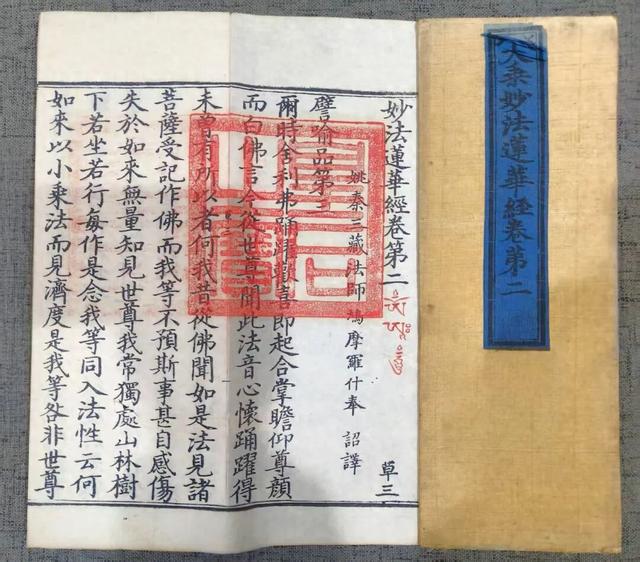
近日,整理馆藏明代纸经时,发现《妙法莲华经》首页赫然钤盖"皇后之宝"玺印,印文清晰、规制明 确,为皇后官方玺印首次现身云居寺纸经之上。这不是普通的收藏印,而是代表后宫最高权力的法定宝 玺。一方印,定等级、明归属、证历史,让这部佛经从"宗教典籍"升格为皇家官方礼佛实物。 在玺印制度中,皇后之宝是皇后权威的核心象征,用于册封、诰命、祭祀、颁赐等重大礼仪,非寻常私 印可比。此次发现的《妙法莲华经》,首页钤盖此印,意味着: • 经文由皇后名义敕造、供奉、使用,属宫廷官方行为 • 等级远超民间施经、寺藏普通经卷,为佛教典籍最高等级之一 云居寺素有北方佛教圣地之称,自隋代静琬法师刻经始,历经千年,是历代皇室礼佛、藏经的重要场 所。明代纸经本就存世稀少、品相完整,此番加盖皇后宝玺,让它成为更加珍贵的文物。 三重价值填补明代史研究空白 这卷带印纸经,不只是一件佛教文物,更是一把解锁历史的钥匙。 考古学价值 皇后宝玺实物与文献互证,在纸质佛经上完整呈现,为玺印断代、皇家用印制度提供一手实物标尺,修 正以往仅靠文献推测的空白。 宗教学与文献价值 一枚"皇后之宝"藏着皇室高规格的信仰背书 此前,舌血真经已震撼学界;如今皇后之宝印经 ...

房山石经刻石书风探析
Xin Lang Cai Jing· 2026-01-17 20:47
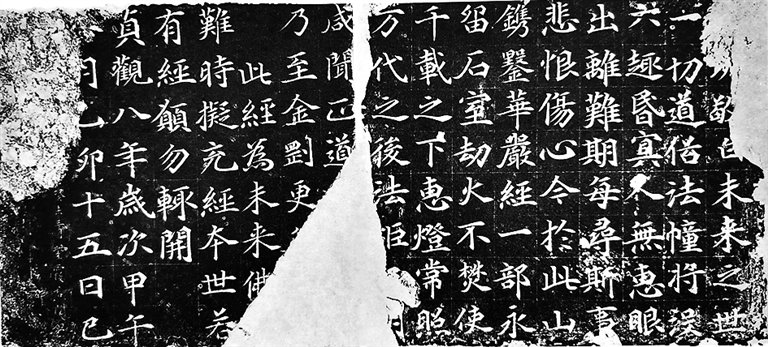
Core Viewpoint - The article highlights the historical and cultural significance of the Fangshan Stone Sutras, often referred to as "Beijing's Dunhuang," emphasizing its extensive collection of stone-carved Buddhist scriptures and its role in the evolution of Chinese calligraphy [1][8]. Group 1: Historical Significance - The Fangshan Stone Sutras, established during the Sui Dynasty, have been continuously inscribed over various dynasties, making it the largest and oldest collection of stone-carved Buddhist texts in China, with 14,278 stone tablets inscribed, containing 1,122 Buddhist texts and over 35 million characters [1][7]. - The inscriptions reflect a systematic evolution of calligraphy styles, primarily using regular script, which has remained dominant throughout the centuries, showcasing the internal requirements of religious texts for neatness and solemnity [2][7]. Group 2: Calligraphy Evolution - The calligraphy of the Fangshan Stone Sutras evolved significantly from the Sui to the Ming Dynasty, with notable influences from famous calligraphers such as Ouyang Xun and Yan Zhenqing, resulting in a blend of styles that reflect both the historical context and the artistic aspirations of the time [3][4][5]. - The Tang Dynasty marked a peak in the development of regular script, with the inscriptions from this period exhibiting a trend towards standardization and formalization, as seen in the works of the monk Jingwan [2][3]. Group 3: Preservation and Future Research - The preservation of the Fangshan Stone Sutras has improved through modern technology, including digital scanning and environmental monitoring, although challenges such as stone weathering and humidity control remain [7][8]. - Future research could leverage advanced techniques like multispectral imaging and micro-trace analysis to further explore the relationship between inscription techniques and stone material properties, as well as the broader implications for calligraphy history and cultural exchange [7][8].
凉州古寺:高僧鸠摩罗什的烦恼丨从长安到敦煌(9)
Jing Ji Guan Cha Bao· 2025-08-26 01:07
Core Insights - The article explores the historical significance of the Jiumoluoshi Temple and its connection to the renowned monk Jiumoluoshi, who played a crucial role in the spread of Buddhism in China [1][6][8] - It highlights the temple's resilience through various historical upheavals, including wars and natural disasters, symbolizing the enduring nature of faith and cultural heritage [2][9][27] Historical Context - The Jiumoluoshi Temple was established during the Later Liang period, with its origins linked to the monk Jiumoluoshi, who was brought to China by military force [1][6] - The temple is not the oldest in Wuwei, with the Haizang Temple being founded earlier in 321 AD, showcasing the region's long-standing Buddhist traditions [2][3] Cultural Significance - Jiumoluoshi's contributions to Buddhist texts and translations are emphasized, particularly his innovative translation methods that integrated Chinese cultural elements [7][8] - The temple serves as a cultural landmark, reflecting the historical interactions between different civilizations along the Silk Road [4][27] Architectural Features - The current structure of the Jiumoluoshi Temple includes various halls and a stupa, which have been rebuilt after significant damage from earthquakes, particularly the 1927 earthquake [3][9] - The temple's architecture features traditional Chinese elements, with a focus on preserving its historical integrity while accommodating modern visitors [9][10] Modern Relevance - The temple continues to attract visitors and serves as a site for cultural and religious activities, maintaining its relevance in contemporary society [9][27] - The ongoing restoration efforts reflect a commitment to preserving cultural heritage and promoting tourism in the region [9][10]