《小猪佩奇》

Search documents
IP化让动画作品从爆款到常青
Xin Lang Cai Jing· 2025-12-30 20:11
Core Viewpoint - The article discusses the evolution and challenges of animation IPs, emphasizing the importance of understanding the essence of animation IPs for long-term success and emotional connection with audiences [7][8][16]. Group 1: Animation IP Characteristics - A truly vibrant animation IP possesses three key traits: the ability to transcend cultural barriers, explore timeless themes of humanity and growth, and maintain continuous innovation potential [8]. - Animation's unique creative attributes allow for stronger controllability, continuity, and symbolic potential compared to live-action films, facilitating its transition from "cultural products" to "cultural assets" [9]. Group 2: Challenges in Animation IP Development - Many animation IPs face challenges due to entrenched product thinking, leading to repetitive creative patterns after initial market success [10]. - Self-imposed limitations in audience targeting, such as focusing solely on "child-friendly" or "adult-oriented" content, restrict the growth and potential of IPs [10]. - Short-sighted behaviors, such as blind licensing and low-quality derivatives, undermine the emotional value and trust associated with IPs, particularly in the context of rapid monetization strategies [10]. Group 3: Strategies for Sustainable IP Development - The concept of "all-age" IPs is proposed as a solution to maintain and expand the life force of animation IPs, allowing them to resonate with both original and new generations of viewers [11][12]. - Key strategies for achieving all-age appeal include layered storytelling, open story structures, and systematic operations to create lasting emotional connections across generations [12][14]. - Vertical deepening is another viable model for long-term development, focusing on serving specific age groups or interest circles with profound and evolving content [15]. Group 4: The Shift in Animation Industry Mindset - Successful animation IPs have transitioned from a short-term focus on product thinking to nurturing long-term value through a "living entity" mindset, which respects the natural growth and creative evolution of IPs [16]. - This mindset emphasizes long-termism over immediate gains, emotional connections over mere traffic monetization, and value accumulation over fleeting popularity [16].

世界上最坏的爸爸,竟是小猪佩奇她爹
虎嗅APP· 2025-12-23 13:35
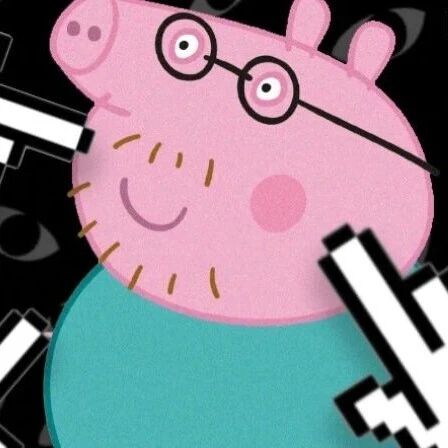
Core Viewpoint - The article discusses the backlash against the character Daddy Pig from the animated series "Peppa Pig," highlighting the criticism of his portrayal as a bumbling, incompetent father figure and the broader implications of male representation in media [5][10][11]. Group 1: Criticism of Daddy Pig - Daddy Pig is criticized for being clumsy and incompetent, often causing chaos in various situations [13][16]. - His character is seen as lacking authority in the family, with Mommy Pig often having to clean up his messes and make decisions [18][23]. - The backlash was sparked by a model named David, who publicly labeled Daddy Pig as a "big waste" during a discussion on gender balance in family roles [11][12]. Group 2: Support for Daddy Pig - Many social media users defended Daddy Pig, arguing that he is a loving and patient father who tries to meet his family's needs [21][23]. - Supporters emphasize that Daddy Pig's character is meant to be humorous and relatable, rather than a negative representation of fatherhood [27][30]. - Some commentators noted that the criticism reflects a broader issue of male representation in media, where positive male role models are often lacking [34][36]. Group 3: Changing Perceptions of Fatherhood - The article outlines two archetypes of father figures in media: the traditional authoritative father and the modern, often inept father [39][50]. - The shift towards portraying fathers as more involved in emotional aspects of parenting has led to a new stereotype of the "inept dad," which some argue undermines the role of fathers [42][46]. - The discussion highlights the tension between expectations of masculinity and the evolving role of fathers in contemporary society [62][70].