《我的英雄学院》

Search documents
“宝可梦”、《名侦探柯南》、张本智和,被中国军网点名
中国能源报· 2026-02-08 13:10
Group 1 - The article highlights the resurgence of Japanese militarism in cultural and sports sectors, as evidenced by recent events related to popular media franchises like "Pokémon" and "Detective Conan" [1] - It discusses specific incidents, such as performances and appearances by Japanese public figures that evoke historical militaristic symbols and figures, indicating a troubling trend in the normalization of militaristic ideologies [3] - The article warns that Japanese right-wing forces are leveraging generational memory loss to propagate a distorted historical narrative through popular culture, aiming to sever the transmission of authentic historical memory and lay the groundwork for a revival of militarism [3]

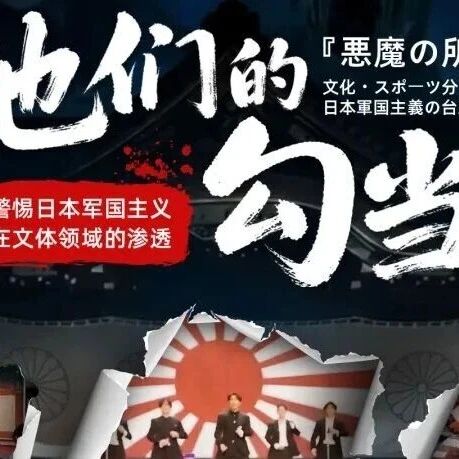
中国军网点名张本智和参拜东乡神社
Xin Lang Cai Jing· 2026-02-08 09:17
Core Viewpoint - The article highlights the resurgence of Japanese militarism in cultural and entertainment sectors, emphasizing the influence of historical memory distortion among youth through popular media [1] Group 1: Events and Incidents - On December 22, 2023, The Rampage performed "SOLDIER LOVE," featuring a salute reminiscent of Nazi gestures [1] - In August 2024, Japanese table tennis players Zhang Ben Zhihe and Ishikawa Kasumi visited the Tōyō Shrine, which honors Japanese war criminal Tōgō Heihachirō [1] - In October 2024, the music video for Snow Man's album "RAYS" included imagery of a samurai sword inscribed with "Okamura Ningji" and "Showa 15" [1] - On November 27, 2025, player Mitoma Kaoru was photographed with an image of Hiroshi Onoda, a figure associated with Japan's militaristic past [1] Group 2: Cultural Influence and Concerns - The article discusses how Japanese right-wing forces exploit generational memory loss to propagate a distorted version of history through sports, entertainment, and education [1] - It warns that this cultural infiltration aims to sever the intergenerational transmission of true historical memory, laying the groundwork for a revival of militarism [1] - The piece calls for vigilance among peace-loving individuals regarding the infiltration of Japanese militarism in cultural and sporting domains [1]
与辱华动漫《我的英雄学院》联动?《名侦探柯南》中国官博回应
Xin Lang Cai Jing· 2026-02-01 10:01
Core Viewpoint - The official statement from Shanghai Xinchuanhua Cultural Development Co., Ltd. emphasizes the friendly nature of the collaboration between "Detective Conan" and "My Hero Academia," marking the 30th anniversary of "Detective Conan" and aiming to promote positive cultural exchange between Japan and China [1]. Group 1: Company and Industry Overview - Shanghai Xinchuanhua Cultural Development Co., Ltd. is the copyright general agent for "Detective Conan" in mainland China and is committed to supporting cultural exchanges that respect and appreciate Chinese culture [1]. - The collaboration with "My Hero Academia" has drawn attention, but the intent is purely celebratory and does not carry any political implications [1]. Group 2: Background on "My Hero Academia" - "My Hero Academia," created by Kohei Horikoshi, was serialized in the Japanese magazine "Weekly Shonen Jump" and has a significant fan base in China [3]. - The series faced backlash in 2020 due to a character that was perceived as offensive, leading to widespread calls for its removal from various platforms [4][6].
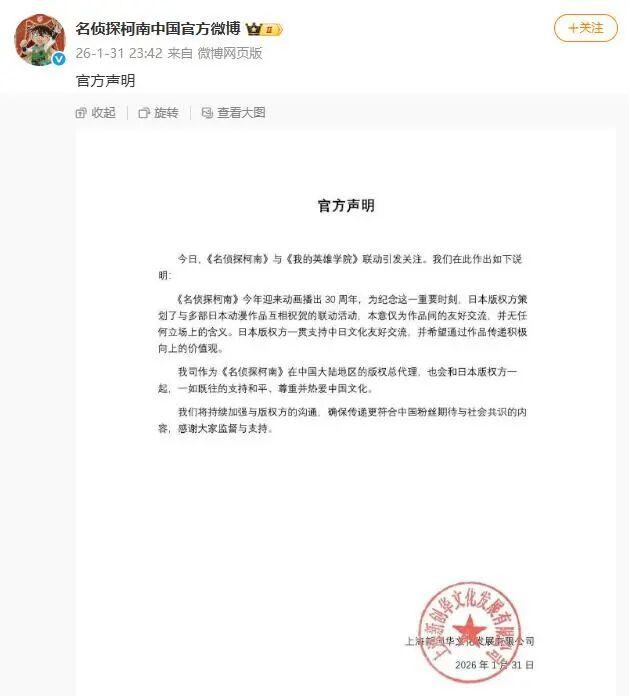
名侦探柯南一句友好交流难平愤怒
Xin Lang Cai Jing· 2026-02-01 08:58
Core Viewpoint - The collaboration between "Detective Conan" and the previously controversial work "My Hero Academia" has sparked significant public outrage in China, highlighting the need for cultural exchanges to respect historical sensitivities and national sentiments [1]. Group 1: Cultural Sensitivity - The statement from Shanghai Xinchuanhua, the copyright agent for "Detective Conan" in mainland China, described the collaboration as a "friendly exchange" without any political implications, but this did not alleviate public concerns [1]. - The previous controversy surrounding "My Hero Academia," where a character's name was linked to the atrocities of the Japanese military during World War II, exemplifies a lack of awareness and respect for Chinese historical trauma [1]. - The backlash against the collaboration indicates that certain overseas IPs may underestimate the importance of historical context and national feelings in their business dealings in China [1]. Group 2: Market Implications - The success of "Detective Conan" in China is attributed to the emotional and commercial support from generations of viewers, which the Japanese copyright holders seem to overlook in their pursuit of profit [1]. - The article emphasizes that cultural exchanges must be grounded in respect, and that commercial partnerships should adhere to ethical standards, particularly regarding historical issues [1]. - The ongoing resistance against perceived disrespectful content suggests that foreign IPs must navigate the Chinese market with a clear understanding of historical sensitivities to ensure long-term success [1].
《名侦探柯南》中国大陆版权方回应与《我的英雄学院》联动,后者曾因辱华遭全网抵制
Xin Lang Cai Jing· 2026-02-01 05:52
Group 1 - The official statement from Shanghai Xinchuanhua Cultural Development Co., Ltd. regarding the collaboration between "Detective Conan" and "My Hero Academia" emphasizes that the event is intended for friendly exchange and does not carry any political implications [1] - The Japanese copyright holder of "Detective Conan" is celebrating the 30th anniversary of the anime this year and has planned collaborative activities with multiple Japanese anime works to promote cultural exchange [1] - The company reaffirms its commitment to support and respect Chinese culture while ensuring that the content aligns with the expectations of Chinese fans and societal consensus [1] Group 2 - "My Hero Academia," created by Kohei Horikoshi, has a significant fan base in China but faced backlash in 2020 due to a character that was perceived as offensive, leading to its removal from platforms [3] - The controversial character "Shiga Maruta" in "My Hero Academia" is associated with historical references that are sensitive in the context of Sino-Japanese relations, specifically relating to human experimentation conducted by the Japanese military [3]