宝可梦

Search documents
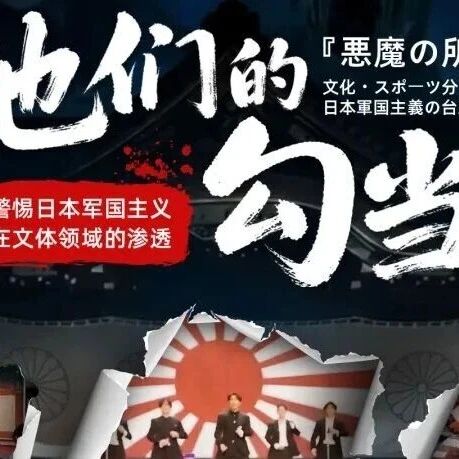
宝可梦、柯南、张本智和,被中国军网点名
第一财经· 2026-02-09 02:10
Core Viewpoint - The article warns about the infiltration of Japanese militarism in cultural and sports fields, highlighting specific incidents and figures that exemplify this trend [5][6]. Group 1 - Recent events such as the "Pokémon" incident and collaborations involving "Detective Conan" and "My Hero Academia" serve as reminders of the persistent influence of Japanese militarism in popular culture [5]. - Specific examples include The Rampage's performance featuring a salute reminiscent of Nazi gestures, and public figures like Zhang Ben Zhi He visiting shrines dedicated to Japanese war criminals [5]. - The article emphasizes that right-wing forces in Japan are exploiting generational memory loss to propagate a distorted version of history through popular media, aiming to sever the transmission of true historical memory [5].


宝可梦、柯南、张本智和,被中国军网点名
21世纪经济报道· 2026-02-09 00:53
Core Viewpoint - The article highlights the ongoing infiltration of Japanese militarism in cultural and sports sectors, emphasizing the need for vigilance against this influence [1]. Group 1 - Recent events, such as the "Pokémon" incident and collaborations involving popular anime, serve as reminders of the persistent presence of Japanese militarism in cultural expressions [1]. - Specific instances of militaristic symbolism in entertainment include The Rampage's performance featuring a salute reminiscent of Nazi gestures, and Snow Man's music video displaying imagery linked to historical militarism [1]. - The article argues that right-wing forces in Japan exploit generational memory loss to propagate a distorted version of history through popular culture, aiming to sever the transmission of authentic historical memory [1].

“宝可梦”、《名侦探柯南》、张本智和,被中国军网点名
中国能源报· 2026-02-08 13:10
Group 1 - The article highlights the resurgence of Japanese militarism in cultural and sports sectors, as evidenced by recent events related to popular media franchises like "Pokémon" and "Detective Conan" [1] - It discusses specific incidents, such as performances and appearances by Japanese public figures that evoke historical militaristic symbols and figures, indicating a troubling trend in the normalization of militaristic ideologies [3] - The article warns that Japanese right-wing forces are leveraging generational memory loss to propagate a distorted historical narrative through popular culture, aiming to sever the transmission of authentic historical memory and lay the groundwork for a revival of militarism [3]
中国军网点名宝可梦、柯南、张本智和等
Xin Lang Cai Jing· 2026-02-08 12:21
Core Viewpoint - The article highlights the persistent influence of Japanese militarism in cultural and sports sectors, emphasizing recent events that reflect this trend [1] Group 1: Recent Events - The "Pokémon" incident and collaborations involving "Detective Conan" and "My Hero Academia" serve as reminders of the ongoing presence of militaristic themes in Japanese media [1] - The performance of "SOLDIER LOVE" by The Rampage on December 22, 2023, featured a salute reminiscent of Nazi gestures [1] - In August 2024, athletes Tomokazu Harimoto and Kasumi Ishikawa visited the Tōgō Shrine, which honors Japanese invader Tōgō Heihachirō [1] - Snow Man's music video for their album "RAYS," released in October 2024, included imagery of a sword inscribed with "Okamura Ningji" and "Showa 15" [1] - In November 2025, Kaoru Mitoma was photographed with an image of Hiroshi Onoda, a soldier associated with Japan's WWII surrender, symbolizing the "ghost of Japanese militarism" [1] Group 2: Ideological Implications - Right-wing forces in Japan are exploiting generational memory loss regarding historical events, using popular culture such as sports, entertainment, and anime to propagate a distorted version of history [1] - The aim is to sever the intergenerational transmission of authentic historical memory, laying the groundwork for a revival of militarism [1] - The article calls for vigilance among peace-loving individuals against the infiltration of Japanese militarism in cultural and sports domains [1]
中国军网点名张本智和宝可梦柯南
Xin Lang Cai Jing· 2026-02-08 11:22
Core Viewpoint - The article highlights the resurgence of Japanese militarism in cultural and sports sectors, emphasizing the need for vigilance against its influence on youth through popular media and entertainment [1] Group 1: Events and Incidents - The "Pokémon" incident and the collaboration between "Detective Conan" and "My Hero Academia" serve as reminders of the persistent presence of Japanese militarism in cultural contexts [1] - On December 22, 2023, The Rampage performed "SOLDIER LOVE," which included a salute reminiscent of Nazi gestures [1] - In August 2024, athletes Zhang Ben Zhihe and Ishikawa Kasumi visited the Tōgō Shrine, which honors Japanese invader Tōgō Heihachirō [1] - In October 2024, the music video for Snow Man's album "RAYS" featured imagery of a samurai sword inscribed with "Okamura Ningji" and "Showa 15" [1] - On November 27, 2025, player Mitoma Kaoru was photographed holding an image of Hiroshi Onoda, a figure associated with Japan's militaristic past [1] Group 2: Cultural Influence and Historical Memory - The article discusses how Japanese right-wing forces exploit generational memory loss regarding historical events, using popular culture to propagate a distorted view of history [1] - It emphasizes the role of sports, entertainment idols, anime, and textbooks in shaping youth perceptions and potentially reviving militaristic ideologies [1] - The article calls for awareness among peace-loving individuals regarding the infiltration of Japanese militarism in cultural and sports domains [1]
宝可梦、柯南、张本智和,被中国军网点名
Xin Lang Cai Jing· 2026-02-08 10:17
Core Viewpoint - The article highlights the resurgence of Japanese militarism in cultural and sports sectors, emphasizing the need for vigilance against its influence on youth through popular media and entertainment [2] Group 1: Events and Incidents - Recent incidents involving popular Japanese media, such as the "Pokémon" incident and collaborations in anime, serve as reminders of lingering militaristic themes [2] - Specific examples include The Rampage's performance in December 2023 that featured a salute reminiscent of Nazi gestures, and various public figures visiting shrines associated with Japan's militaristic past [2] Group 2: Cultural Influence - The article discusses how Japanese right-wing forces exploit generational memory loss to propagate a distorted version of history through sports, entertainment, and education [2] - The aim is to sever the intergenerational transmission of authentic historical memory, laying the groundwork for a revival of militarism [2] Group 3: Call to Action - The article urges all peace-loving individuals to remain alert to the infiltration of Japanese militarism in cultural and sports domains [2]

中国军网点名宝可梦和名侦探柯南
Xin Lang Cai Jing· 2026-02-08 09:18
Core Viewpoint - The article highlights the ongoing influence of Japanese militarism in cultural and sports sectors, emphasizing the need for vigilance against its resurgence through popular media and youth engagement [1] Group 1: Cultural Events and References - Recent events such as the "Pokémon" incident and the collaboration between "Detective Conan" and "My Hero Academia" serve as reminders of Japan's militaristic past [1] - Specific performances and media, including The Rampage's "SOLDIER LOVE" and Snow Man's music video, contain references that evoke militaristic imagery, such as Nazi-like salutes and historical figures associated with Japan's wartime actions [1] Group 2: Historical Memory and Youth Influence - The article discusses how Japanese right-wing forces exploit generational memory loss to propagate a distorted version of history through popular culture, including sports and entertainment [1] - The aim is to sever the intergenerational transmission of authentic historical memory, laying the groundwork for a revival of militarism in society [1]
日本军国主义在文体领域阴魂不散
Xin Lang Cai Jing· 2026-02-08 09:18
Core Viewpoint - The article highlights the persistent influence of Japanese militarism in cultural and sports sectors, emphasizing recent events that reflect this trend [1] Group 1: Recent Events - The performance of "SOLDIER LOVE" by The Rampage on December 22, 2023, included a salute reminiscent of Nazi gestures [1] - In August 2024, athletes Zhang Benzhihua and Ishikawa Kasumi visited the Tōgō Shrine, which honors Japanese invader Tōgō Heihachirō [1] - The music video for Snow Man's album "RAYS," released in October 2024, featured imagery of a samurai sword inscribed with "Okamura Ningji" and "Showa 15" [1] - On November 27, 2025, player Mitoma Kaoru was photographed holding an image of Hiroshi Onoda, a soldier associated with Japan's militaristic past [1] Group 2: Ideological Implications - The article argues that right-wing forces in Japan exploit generational memory loss regarding historical events, using popular culture such as sports, entertainment, and anime to propagate a distorted version of history [1] - This strategy aims to sever the intergenerational transmission of authentic historical memory, laying the groundwork for a revival of militarism [1] - The article calls for vigilance among peace-loving individuals against the infiltration of Japanese militarism in cultural and sports domains [1]
中国军网点名张本智和参拜东乡神社
Xin Lang Cai Jing· 2026-02-08 09:17
Core Viewpoint - The article highlights the resurgence of Japanese militarism in cultural and entertainment sectors, emphasizing the influence of historical memory distortion among youth through popular media [1] Group 1: Events and Incidents - On December 22, 2023, The Rampage performed "SOLDIER LOVE," featuring a salute reminiscent of Nazi gestures [1] - In August 2024, Japanese table tennis players Zhang Ben Zhihe and Ishikawa Kasumi visited the Tōyō Shrine, which honors Japanese war criminal Tōgō Heihachirō [1] - In October 2024, the music video for Snow Man's album "RAYS" included imagery of a samurai sword inscribed with "Okamura Ningji" and "Showa 15" [1] - On November 27, 2025, player Mitoma Kaoru was photographed with an image of Hiroshi Onoda, a figure associated with Japan's militaristic past [1] Group 2: Cultural Influence and Concerns - The article discusses how Japanese right-wing forces exploit generational memory loss to propagate a distorted version of history through sports, entertainment, and education [1] - It warns that this cultural infiltration aims to sever the intergenerational transmission of true historical memory, laying the groundwork for a revival of militarism [1] - The piece calls for vigilance among peace-loving individuals regarding the infiltration of Japanese militarism in cultural and sporting domains [1]
浙江宣传:宝可梦,做的是什么梦
Xin Lang Cai Jing· 2026-02-01 00:44
Core Viewpoint - The planned Pokémon event at Yasukuni Shrine in Japan has sparked significant backlash online, leading to an apology and cancellation of the event by the Pokémon Company, highlighting the intersection of cultural products and historical narratives in Japan [1][6]. Group 1: Cultural and Historical Context - The association of Pokémon with Yasukuni Shrine is not merely a marketing misstep but reflects deeper issues regarding Japan's right-wing politics and historical revisionism [3]. - Japanese right-wing politicians have a history of downplaying wartime atrocities, using euphemisms in educational materials to obscure the truth of their actions during World War II [3][4]. - The use of popular culture, such as games and sports, by right-wing factions aims to reframe historical narratives and normalize controversial views among younger audiences [4]. Group 2: Impact on International Brands - The incident serves as a warning for international brands entering the Chinese market, emphasizing the need to respect Chinese history and sentiments to avoid backlash [7]. - The Pokémon event illustrates the potential consequences of cultural insensitivity, where brands may face severe repercussions if they disregard local values and historical contexts [7][10]. Group 3: Response from Chinese Youth - Chinese youth have demonstrated a mature response to the incident, showcasing their cultural confidence and ability to distinguish between personal interests and national principles [6]. - The reaction from young Chinese consumers has pressured companies like Pokémon to act swiftly in addressing grievances, indicating a shift in consumer power dynamics [6][10]. Group 4: Need for Strong Cultural Products - There is a call for China to develop its own globally influential cultural IPs to counteract foreign narratives and assert its historical perspective [8]. - The success of culturally rooted products, such as "Black Myth: Wukong," highlights the potential for Chinese stories to resonate on a global scale, reinforcing the need for more original content [8][10]. Group 5: Regulatory Considerations - The need for a more structured approach to managing foreign brands that cross cultural boundaries is emphasized, suggesting the implementation of legal frameworks to hold companies accountable [10]. - Ensuring that historical narratives are preserved and respected requires both a proactive stance from cultural industries and a robust legal framework to deter future incidents [10].