《摆渡人》

Search documents
谁在惯着王家卫
3 6 Ke· 2025-11-03 05:43
Core Insights - The article discusses the unique position and influence of Wong Kar-wai in the film industry, highlighting his ability to create a strong aura of artistic authority that captivates investors, producers, and audiences alike [1][3][5] Group 1: Wong Kar-wai's Influence and Reputation - Wong Kar-wai is perceived as a "cultural god" who can command respect and admiration from various stakeholders in the film industry, regardless of the challenges he faces during production [1][3] - The recent release of recordings by a former staff member has revealed a more casual and relatable side of Wong, contrasting with his public persona [3][5] - The article suggests that understanding how Wong Kar-wai has built his reputation could provide valuable lessons for others in the industry [5][6] Group 2: Career Development and Early Challenges - Wong Kar-wai's early career involved working at TVB and later at Xinyi City, where he faced challenges related to productivity and creative output [6][8] - His initial works did not gain significant recognition, but he gradually developed a unique style that set him apart from his contemporaries [9][14] - The support from key figures in the industry, such as Liu Zhenwei and Tang Jiahua, played a crucial role in Wong's ascent as a director [11][14] Group 3: Artistic Style and Market Reception - Wong Kar-wai's films often blend artistic expression with personal storytelling, which has led to a distinct cinematic style that resonates with audiences seeking something different from mainstream offerings [16][18] - His film "Chungking Express" received international acclaim, further solidifying his status as a significant filmmaker, despite mixed reception in local markets [22][23] - The article notes that Wong's approach to filmmaking often challenges traditional norms, leading to both admiration and criticism from audiences and critics alike [21][25]


“好久不见”,金城武
Hu Xiu· 2025-10-06 01:42
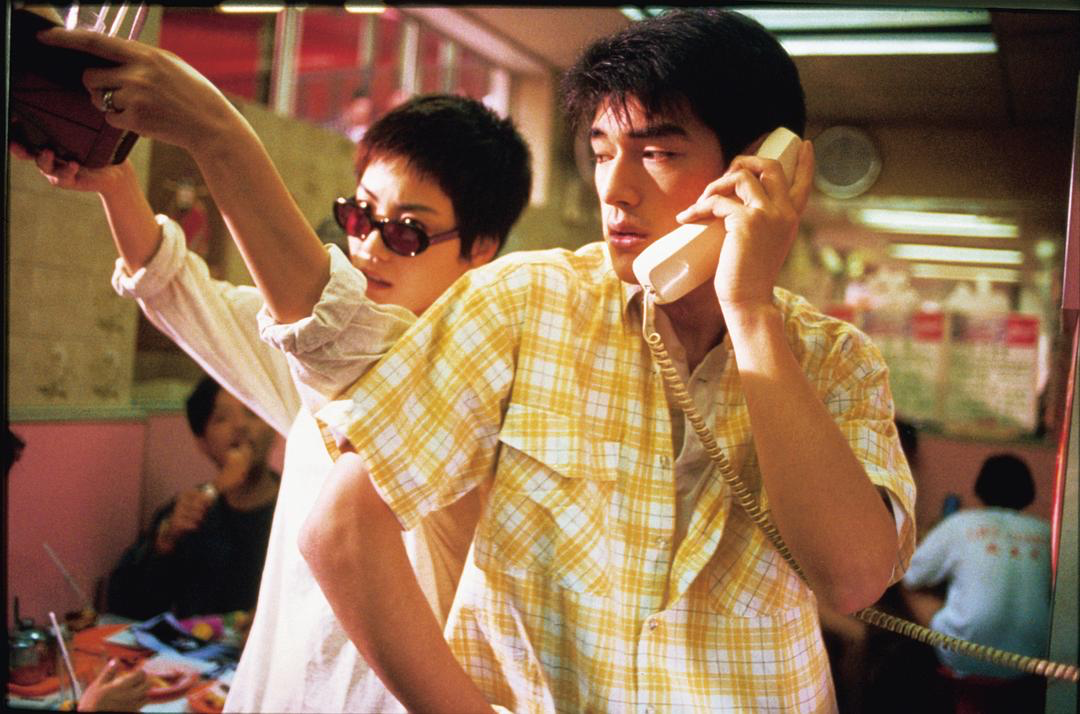
Core Points - The article discusses the enigmatic persona of actor Takeshi Kaneshiro, highlighting his transition from a prominent film star to a more reclusive figure in the entertainment industry [5][7][51] - It reflects on the evolution of the film industry in Asia, particularly the rise and fall of Hong Kong cinema, and how Kaneshiro's career has been intertwined with these changes [30][32][41] Group 1: Takeshi Kaneshiro's Career - Takeshi Kaneshiro gained fame in the 1990s, becoming a symbol of beauty in Asian cinema, with notable performances in films like "Chungking Express" [8][22] - His unique appeal allowed him to transcend cultural barriers, achieving recognition in Hong Kong, Taiwan, and Japan [19][21] - Kaneshiro's involvement in high-grossing films, such as "Not One Less" and "Chungking Express," significantly contributed to his status as an international star [23][30] Group 2: The Changing Landscape of Asian Cinema - The article notes the significant shift in the film industry post-2000, with the emergence of the Chinese market as a dominant force, leading to a decline in Hong Kong cinema [30][31][41] - Kaneshiro's participation in major films like "Hero" and "House of Flying Daggers" reflects the industry's focus on international appeal and box office success [30][35] - The rise of internet companies in film production has altered the investment landscape, impacting the types of projects being developed [44][49] Group 3: Kaneshiro's Personal Philosophy - Kaneshiro has expressed a reluctance to embrace the celebrity lifestyle, preferring to focus on his craft as an actor rather than engage in promotional activities [51][55] - His approach to acting is characterized by a desire for authenticity, often questioning character motivations and seeking depth in his roles [62][63] - The article emphasizes Kaneshiro's choice to maintain a low profile in an era dominated by social media and public personas, highlighting his commitment to his work over fame [63][64]
谁在为“赔钱”的王家卫买单
Hu Xiu· 2025-10-05 04:07
Core Viewpoint - The article discusses the controversies surrounding director Wong Kar-wai, particularly focusing on the financial struggles and artistic challenges faced by investors and actors involved in his films, as well as the recent accusations regarding creative credit and his directorial style [1][27]. Group 1: Financial Performance and Investor Relations - Wong Kar-wai is known for his artistic films, but only three of his works, namely "Chungking Express," "As Tears Go By," and "The Grandmaster," have been commercially successful, while many others have resulted in significant financial losses for investors [2][4][7]. - The film "Ashes of Time" had an investment of over 20 million HKD but grossed only around 9 million HKD, showcasing the financial risks associated with Wong's projects [7]. - Despite the financial risks, investors continue to support Wong due to the potential long-term artistic value and brand recognition associated with his films, which can lead to indirect benefits [12][21]. Group 2: Artistic Style and Production Challenges - Wong Kar-wai's filmmaking process is characterized by a lack of a fixed script, leading to extended production times and unpredictable outcomes, which often frustrates actors and crew members [8][30]. - His unique narrative style, which includes non-linear storytelling and extensive use of internal monologues, is sometimes attributed to the absence of a well-defined script, raising questions about the coherence of his artistic vision [30][31]. - The aesthetic choices in Wong's films, such as handheld cinematography and specific lighting techniques, are often seen as solutions to practical filming challenges rather than purely artistic decisions [28][29]. Group 3: Cultural Impact and Legacy - Wong Kar-wai has significantly influenced contemporary cinema and has been recognized internationally, winning numerous awards and shaping the careers of many actors [25][26]. - His films often explore themes of loneliness and complex relationships, resonating with audiences and contributing to his status as a cultural icon [33][34]. - The recent controversies surrounding his treatment of collaborators and the artistic integrity of his work have led to a reevaluation of his legacy, suggesting that he may no longer align with current audience expectations [36][37].