《新潮》

Search documents
沙滩北街:沙痕载史,古巷留声(北京胡同时光叙事之二十六)
Bei Jing Ri Bao Ke Hu Duan· 2026-02-20 03:52
Core Viewpoint - The historical significance of Shatan North Street is highlighted, showcasing its evolution from a low-lying sandy area during the Yuan Dynasty to a vibrant cultural and educational hub in modern China, particularly during the New Culture Movement and the May Fourth Movement [1][2][4][10]. Historical Development - In the Yuan Dynasty, Shatan North Street was characterized by its sandy terrain due to the nearby Tonghui River, which contributed to the accumulation of sand in the area [1]. - By the Ming Dynasty, the area began to develop as part of the inner city, with the establishment of residences and a small village, gradually leading to the formation of a street [2]. - The Qing Dynasty saw significant changes, with the area being transformed into a bustling street lined with residences and shops, particularly after the establishment of the Eight Banners system [2][3]. Cultural Significance - The establishment of the Imperial University (京师大学堂), which later became Peking University, marked a pivotal moment in the cultural landscape of Shatan North Street, serving as a center for new ideas and educational reform [4][6]. - The iconic "Red Building," constructed between 1916 and 1918, became a symbol of modern education in China, featuring advanced facilities for its time [5][6]. Key Figures and Events - Influential figures such as Chen Duxiu and Li Dazhao played crucial roles in the New Culture Movement while associated with Shatan North Street, fostering a rich intellectual environment [6][7][9]. - The May Fourth Movement, a significant anti-imperialist and cultural revolution, was notably centered around Shatan North Street, with the Red Building serving as a command center for the movement [9]. Modern Developments - After the victory in the Anti-Japanese War, Shatan North Street experienced a revival, with the Red Building being restored and repurposed as a memorial for the New Culture Movement [10]. - The area has been designated as a key cultural heritage site, preserving its historical significance and continuing to serve as a center for education and cultural remembrance [10].
刘卓辉:我第一次听到崔健《一无所有》的时候
Xin Lang Cai Jing· 2026-02-05 00:40
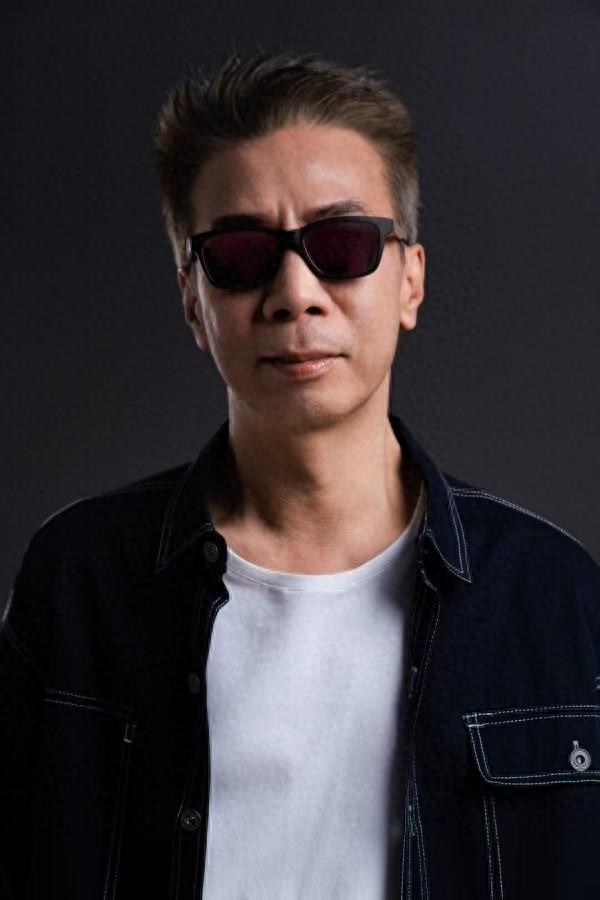
Core Viewpoint - The article discusses the journey and experiences of Liu Zhuohui, a renowned lyricist in Hong Kong, highlighting his interactions with various artists, particularly Cui Jian, and the evolution of rock music in China from the 1980s onwards [1]. Group 1: Background and Early Experiences - Liu Zhuohui first encountered Cui Jian's song "Yi Wu Suo You" in late 1986 while working at a tape processing factory in Foshan, where the recording quality was notably high despite the limited equipment [3]. - The initial exposure to Cui Jian's music left a significant impression on Liu, who later recommended the songs to friends, feeling a sense of pride in discovering such music from mainland China [4]. Group 2: Music Industry Dynamics - In 1988, Liu observed competition among Taiwanese companies for the distribution rights of Cui Jian's album "Yi Wu Suo You," which eventually went to a newly established record label [6]. - Liu's role at BMG in Hong Kong led him to negotiate the rights for Cui Jian's earlier album "Xin Chao," which he later sold to Rolling Stone Records, capitalizing on the demand created by the competition for "Yi Wu Suo You" [6][7]. Group 3: Personal Interactions and Reflections - Liu had multiple encounters with Cui Jian over the years, attending various concerts and events, which deepened his appreciation for Cui's artistry [8]. - Liu noted a change in Cui Jian's demeanor over time, from being approachable to more self-protective, but observed a recent return to a more relaxed state [8]. - Liu expressed admiration for Cui Jian's outspoken stance against lip-syncing in performances, highlighting the artist's courage in addressing industry issues [9].