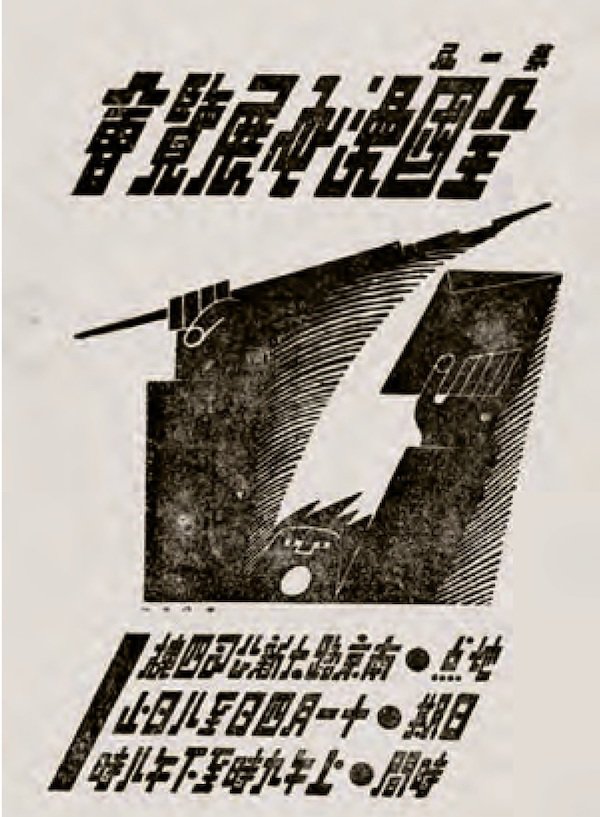
《时代漫画》

Search documents
抗战漫画里的民族记忆
Xin Lang Cai Jing· 2025-12-28 21:31
Core Viewpoint - The article emphasizes the significant role of anti-Japanese war cartoons as a form of artistic expression and a historical record, showcasing the awakening and unity of the Chinese national spirit during a critical period in history [3][4][5]. Group 1: Development and Impact of Anti-Japanese War Cartoons - Anti-Japanese war cartoons evolved beyond mere artistic expression to fulfill a historical mission, becoming an essential part of the anti-Japanese salvation movement led by the Chinese Communist Party [3][4]. - Prominent cartoonists like Ye Qianyu, Hua Junwu, and Ding Cong used their art to awaken public awareness of the war, exposing the brutality of the invaders and reflecting the fighting spirit of the Chinese people [4][5]. - The establishment of organizations and publications dedicated to anti-Japanese cartoons, such as the Shanghai Woodcut Research Association and the publication of "Times Comics" and "Anti-Japanese Comics," played a crucial role in mobilizing the public and promoting anti-Japanese sentiment [3][4]. Group 2: Historical Context and Achievements - The period from the September 18 Incident in 1931 to Japan's surrender in 1945 was marked by the relentless efforts of cartoonists who captured the struggles and sacrifices of the Chinese people through their works [5][6]. - Notable works like Ding Cong's "The Victims of War are the People" and Zhang Leiping's "Fellow Countrymen Who Do Not Wish to Be Slaves Have Risen" illustrated the growing resistance and unity among the Chinese populace against Japanese aggression [5]. - The victory in the anti-Japanese war, symbolized by the surrender ceremony on September 9, 1945, marked a turning point for China, transitioning from a semi-colonial and semi-feudal society towards a path of national rejuvenation [5][6].

张文元的“漫画抗战”与“国画抗战”
Xin Lang Cai Jing· 2025-09-18 00:40
Core Viewpoint - The article chronicles the life and contributions of Zhang Wenyuan, a prominent Chinese cartoonist and painter, particularly during the Anti-Japanese War, highlighting his artistic journey, the impact of his work on public sentiment, and the evolution of Chinese comics during a tumultuous period in history [1][2][6]. Group 1: Early Life and Career - Zhang Wenyuan was born in 1910 in Jiangsu Province and faced financial hardships that limited his education, leading him to pursue art through self-study and apprenticeships [1]. - He began his career as a painter and cartoonist in Shanghai during the 1930s, where he gained recognition through publications like "Shidai Manhua" [2][4]. Group 2: Rise to Prominence - By 1936, Zhang had established himself as a significant figure in the Shanghai cartoon scene, contributing to various magazines and participating in the first national cartoon exhibition [2][4]. - His work gained acclaim for its mature style and social commentary, particularly during the rise of anti-Japanese sentiment [2][4]. Group 3: Contribution to Anti-Japanese War Efforts - Following the outbreak of the Second Sino-Japanese War, Zhang and other artists mobilized to use their art as a means of propaganda and to inspire patriotism among the Chinese populace [5][6]. - He participated in various exhibitions and created works that depicted the struggles and resilience of the Chinese people during wartime, often facing censorship from authorities [5][6][7]. Group 4: Later Years and Legacy - After the war, Zhang continued to work in the field of art and education, contributing to the development of Chinese comics and participating in various artistic organizations [38][40]. - His legacy is marked by his prolific output and the significant role he played in shaping the narrative of Chinese art during a critical historical period [27][38].