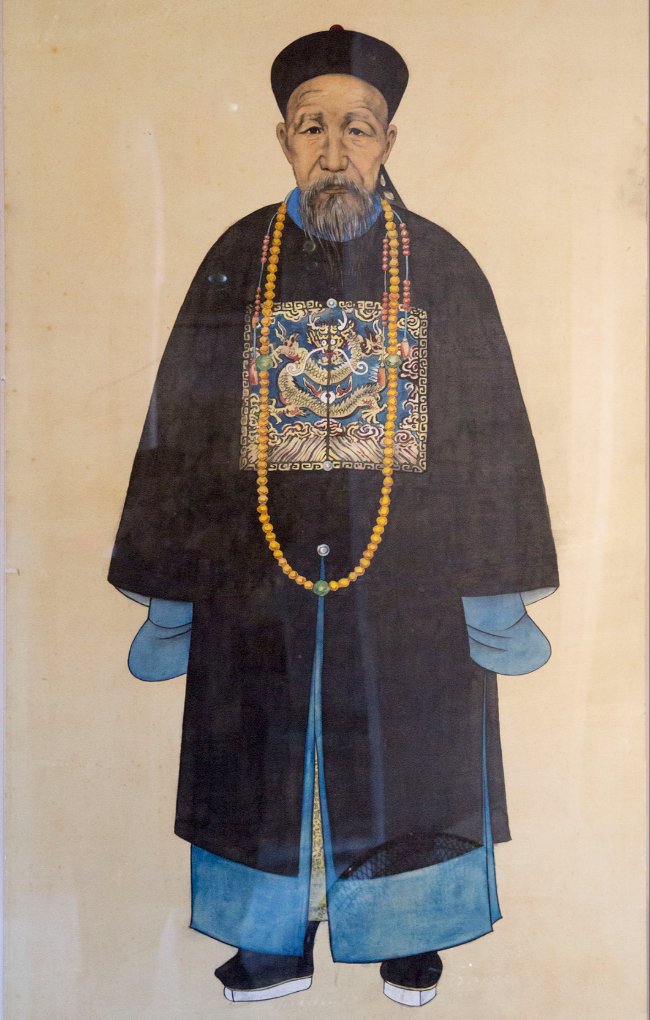
《曾国藩》(唐浩明小说)

Search documents
功臣、汉奸、典范、刽子手、成功大师——曾国藩形象的五次转变
Xin Lang Cai Jing· 2025-11-26 05:54
Core Viewpoint - The article discusses the complex and evolving perception of Zeng Guofan, a prominent figure in late Qing Dynasty China, highlighting his transition from a revered "meritorious minister" to a controversial figure labeled as a "traitor" during the Republican era, and eventually being recognized as a symbol of traditional Chinese culture and morality in the 20th century [1][10][20]. Group 1: Historical Context and Initial Recognition - Zeng Guofan founded the Xiang Army and played a crucial role in suppressing the Taiping Rebellion, earning high praise from the Qing government, which referred to him as a "meritorious minister" [3][4]. - His contributions were celebrated during the Tongzhi and Guangxu reigns, aligning with the Qing government's narrative of "revitalization" [3][4]. - A network of Zeng's friends and former students helped shape his positive image posthumously, emphasizing his virtues and contributions [4][5]. Group 2: Media Influence and Cultural Impact - The rapid development of publishing and media in late Qing facilitated the dissemination of Zeng's works, making them widely accessible [6][7]. - Zeng's writings became fashionable among scholars and officials, with many citing him as a moral exemplar [7][8]. - His commitment to Confucian ideals and self-cultivation positioned him as a model of virtue and governance [8][9]. Group 3: Shift in Perception During the Republican Era - The rise of revolutionary sentiments during the late Qing and early Republican periods led to a reevaluation of Zeng's legacy, with some revolutionaries labeling him a "traitor" for his role in suppressing the Taiping Rebellion [10][11]. - Influential figures like Tan Sitong criticized Zeng's actions, framing them as oppressive rather than heroic [10][11]. - The portrayal of Zeng as a "traitor" became prevalent among revolutionary circles, contrasting sharply with earlier views of him as a national hero [11][13]. Group 4: Resurgence of Zeng's Image in the 20th Century - Following the establishment of the Nationalist government in 1927, Zeng's image was rehabilitated, aligning with the new political climate that sought to emphasize order and stability [20][21]. - The Nationalist government promoted Zeng as a model of moral integrity and effective governance, reflecting a shift in political needs [20][21]. - Cultural conservatism in the 1930s further solidified Zeng's status as a defender of traditional Chinese values against foreign influences [22][23]. Group 5: Contemporary Reinterpretations - In the mid-20th century, Zeng was increasingly viewed as a symbol of Chinese cultural resilience, with scholars arguing for his role in preserving traditional values [23][24]. - His legacy was framed within the context of national identity and cultural pride, contrasting with earlier revolutionary critiques [25][26]. - Figures like Chiang Kai-shek actively promoted Zeng's teachings and principles, integrating them into the Nationalist ideology [28][29].