成功学

Search documents
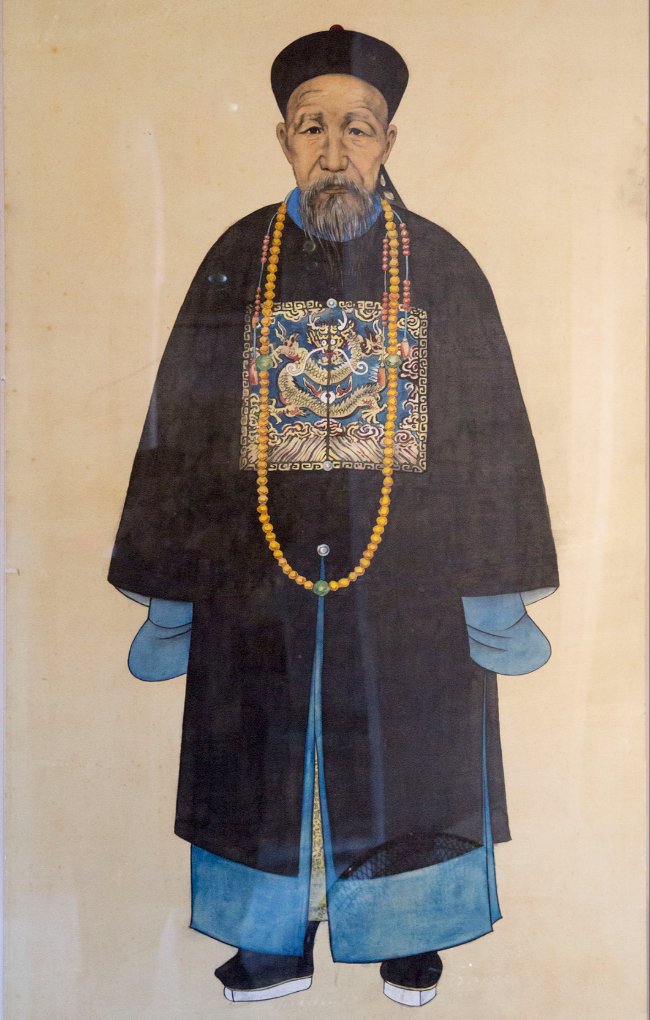
功臣、汉奸、典范、刽子手、成功大师——曾国藩形象的五次转变
Xin Lang Cai Jing· 2025-11-26 05:54
Core Viewpoint - The article discusses the complex and evolving perception of Zeng Guofan, a prominent figure in late Qing Dynasty China, highlighting his transition from a revered "meritorious minister" to a controversial figure labeled as a "traitor" during the Republican era, and eventually being recognized as a symbol of traditional Chinese culture and morality in the 20th century [1][10][20]. Group 1: Historical Context and Initial Recognition - Zeng Guofan founded the Xiang Army and played a crucial role in suppressing the Taiping Rebellion, earning high praise from the Qing government, which referred to him as a "meritorious minister" [3][4]. - His contributions were celebrated during the Tongzhi and Guangxu reigns, aligning with the Qing government's narrative of "revitalization" [3][4]. - A network of Zeng's friends and former students helped shape his positive image posthumously, emphasizing his virtues and contributions [4][5]. Group 2: Media Influence and Cultural Impact - The rapid development of publishing and media in late Qing facilitated the dissemination of Zeng's works, making them widely accessible [6][7]. - Zeng's writings became fashionable among scholars and officials, with many citing him as a moral exemplar [7][8]. - His commitment to Confucian ideals and self-cultivation positioned him as a model of virtue and governance [8][9]. Group 3: Shift in Perception During the Republican Era - The rise of revolutionary sentiments during the late Qing and early Republican periods led to a reevaluation of Zeng's legacy, with some revolutionaries labeling him a "traitor" for his role in suppressing the Taiping Rebellion [10][11]. - Influential figures like Tan Sitong criticized Zeng's actions, framing them as oppressive rather than heroic [10][11]. - The portrayal of Zeng as a "traitor" became prevalent among revolutionary circles, contrasting sharply with earlier views of him as a national hero [11][13]. Group 4: Resurgence of Zeng's Image in the 20th Century - Following the establishment of the Nationalist government in 1927, Zeng's image was rehabilitated, aligning with the new political climate that sought to emphasize order and stability [20][21]. - The Nationalist government promoted Zeng as a model of moral integrity and effective governance, reflecting a shift in political needs [20][21]. - Cultural conservatism in the 1930s further solidified Zeng's status as a defender of traditional Chinese values against foreign influences [22][23]. Group 5: Contemporary Reinterpretations - In the mid-20th century, Zeng was increasingly viewed as a symbol of Chinese cultural resilience, with scholars arguing for his role in preserving traditional values [23][24]. - His legacy was framed within the context of national identity and cultural pride, contrasting with earlier revolutionary critiques [25][26]. - Figures like Chiang Kai-shek actively promoted Zeng's teachings and principles, integrating them into the Nationalist ideology [28][29].

全球最富90后孙宇晨,财富炼成有什么样的妙招?
Hu Xiu· 2025-10-20 05:31
Core Insights - Sun Yuchen, known as the richest person in the world born in the 1990s, has a net worth of $12.4 billion at the age of 35, showcasing significant financial success [1] Group 1 - Sun Yuchen's wealth accumulation and success story have become widely discussed and studied in various circles [1]
特别策划|新“成功学”背后的迁移
Xin Lang Cai Jing· 2025-10-13 09:48
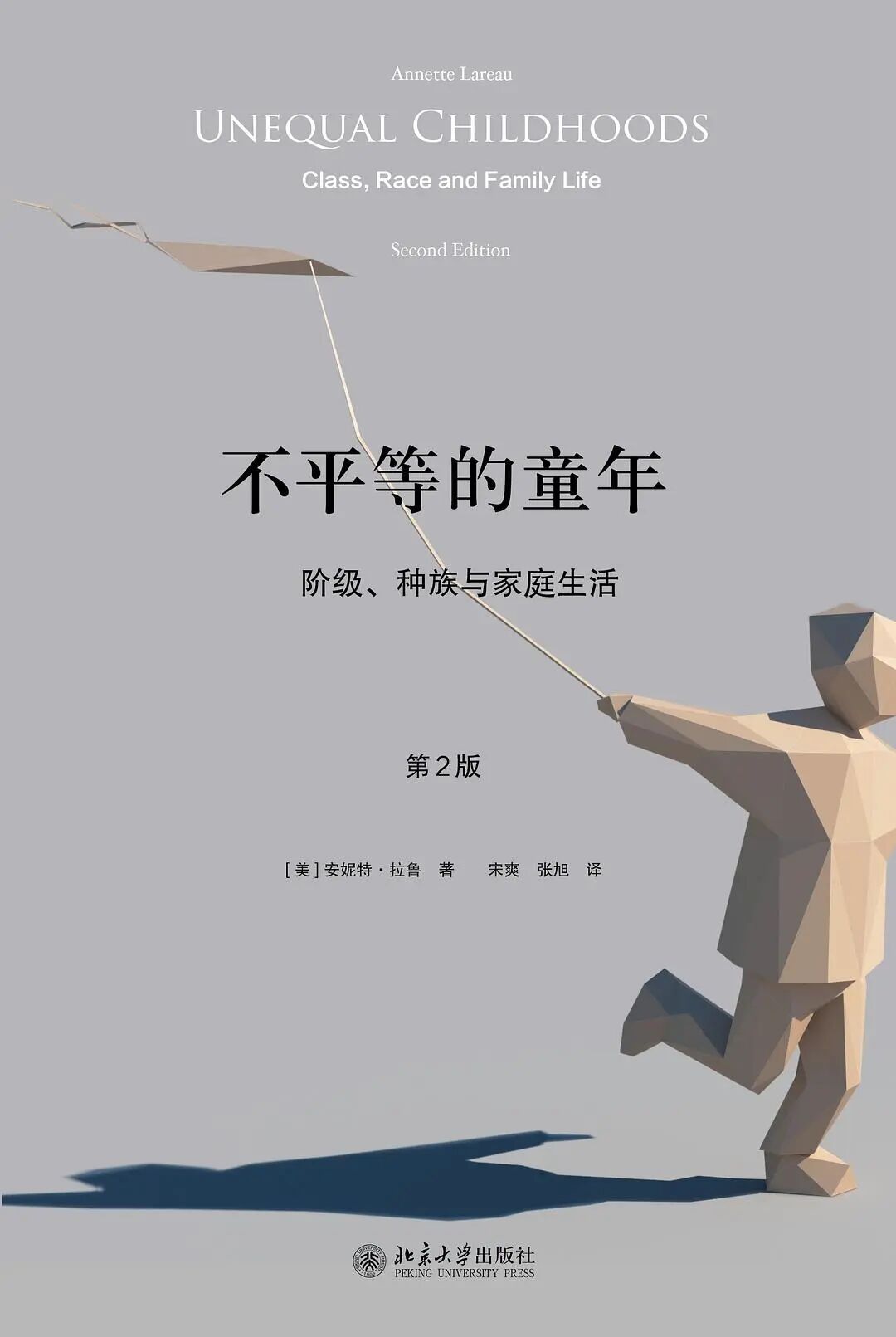
Group 1 - The core idea of the articles revolves around the evolving definition of success in the modern era, emphasizing personal values over external accolades [1] - The discussion highlights the importance of self-awareness and personal challenges in defining true success, moving away from societal standards [1] - The articles suggest that the journey towards self-discovery and personal growth is more significant than merely achieving external recognition [1] Group 2 - The book "Unequal Childhoods" by Annette Lareau explores the impact of social class on parenting styles and children's educational experiences, emphasizing the differences between middle-class and working-class families [2][3] - Lareau's research indicates that middle-class families engage in "concerted cultivation," while working-class families adopt a "natural growth" approach, leading to disparities in children's socialization and educational outcomes [3] - The findings reveal that social class significantly influences children's life experiences and educational opportunities, highlighting systemic inequalities in society [3] Group 3 - "After the Gold Rush" discusses the hidden challenges faced by college students from different socioeconomic backgrounds, particularly regarding their career prospects post-graduation [5] - The book emphasizes the importance of understanding the "rules of the game" within the university context to navigate career opportunities effectively [5] - It also highlights the role of internalized mainstream values in helping students avoid career confusion and utilize university resources efficiently [5] Group 4 - "The Elite Trap" by Daniel Markovits critiques the meritocratic system in the U.S., arguing that it perpetuates inequality and hinders social mobility [7][12] - The book presents data showing that the middle class is experiencing job marginalization and income stagnation, while elites monopolize educational resources and high-paying jobs [12] - Markovits calls for a reduction in educational competition to reintegrate middle-skilled labor into the economy, addressing structural imbalances [12] Group 5 - "The Stigma Trap" by Ofer Sharone examines the societal biases faced by unemployed individuals, challenging the notion that unemployment is a personal failure [13][14] - The book reveals how societal pressures and discrimination create a "stigma trap" that affects the self-worth of unemployed individuals [14] - Sharone advocates for a redefinition of value and fairness in society, emphasizing that unemployment should not diminish a person's worth [14] Group 6 - "Everything I Told You About That Mountain" is a reflective work by Liu Chanjun, documenting his experiences during a life-threatening journey in the Himalayas [17][19] - The narrative captures the emotional struggles and philosophical insights of the author, showcasing the interconnectedness of life, nature, and personal reflection [17] - The book serves as a testament to the profound thoughts and resilience of a young individual facing existential challenges [17]
一位工作狂女孩重新回到了寨子
Di Yi Cai Jing· 2025-09-12 02:48
Core Perspective - The article highlights the personal growth journey of Zha Shiyi Re, who reflects on her upbringing in a rural Yi ethnic village in Yunnan, documenting the lives of women in her community through her writing [1][6][19]. Group 1: Personal Background - Zha Shiyi Re was born in 1990 in a remote, underdeveloped Yi village in Yunnan, characterized by a lack of basic amenities such as running water and medical facilities [3]. - She began learning Mandarin at the age of 7 and eventually pursued higher education, becoming the first female college student from her village [3]. - After graduating, she worked as a journalist for over eight years, covering social news and engaging in undercover investigations [3]. Group 2: Writing Journey - Zha's unexpected viral article about a "bathing lesson" she received in college led to her first non-fiction book, "I Grew Up in the Village" [1][6]. - Her writing serves as a means of self-healing, allowing her to confront past traumas and reflect on her experiences [6][12]. - The book captures the essence of rural life without romanticizing or vilifying it, presenting a balanced view of her upbringing [11][19]. Group 3: Family Influence - Zha describes her parents as having a "free-range" parenting style, with a strong emphasis on education, particularly from her father, who was strict but also a role model [7][9]. - Her relationship with her mother evolved over time, leading to a deeper understanding and acceptance of her mother's struggles and resilience [12][16]. Group 4: Return to Roots - After years of urban life, Zha returned to her village, finding solace in the predictability and peace of rural living, contrasting it with the chaos of city life [9][14]. - She emphasizes the importance of nature in her life, which has become a source of stability and inspiration for her writing [9][14]. Group 5: Reader Connection - Zha's writing resonates with readers, as many find common ground in her experiences of familial relationships, personal growth, and reflections on marriage [19]. - The emotional impact of her work has led to connections with readers, fostering a sense of shared experience and healing [19].

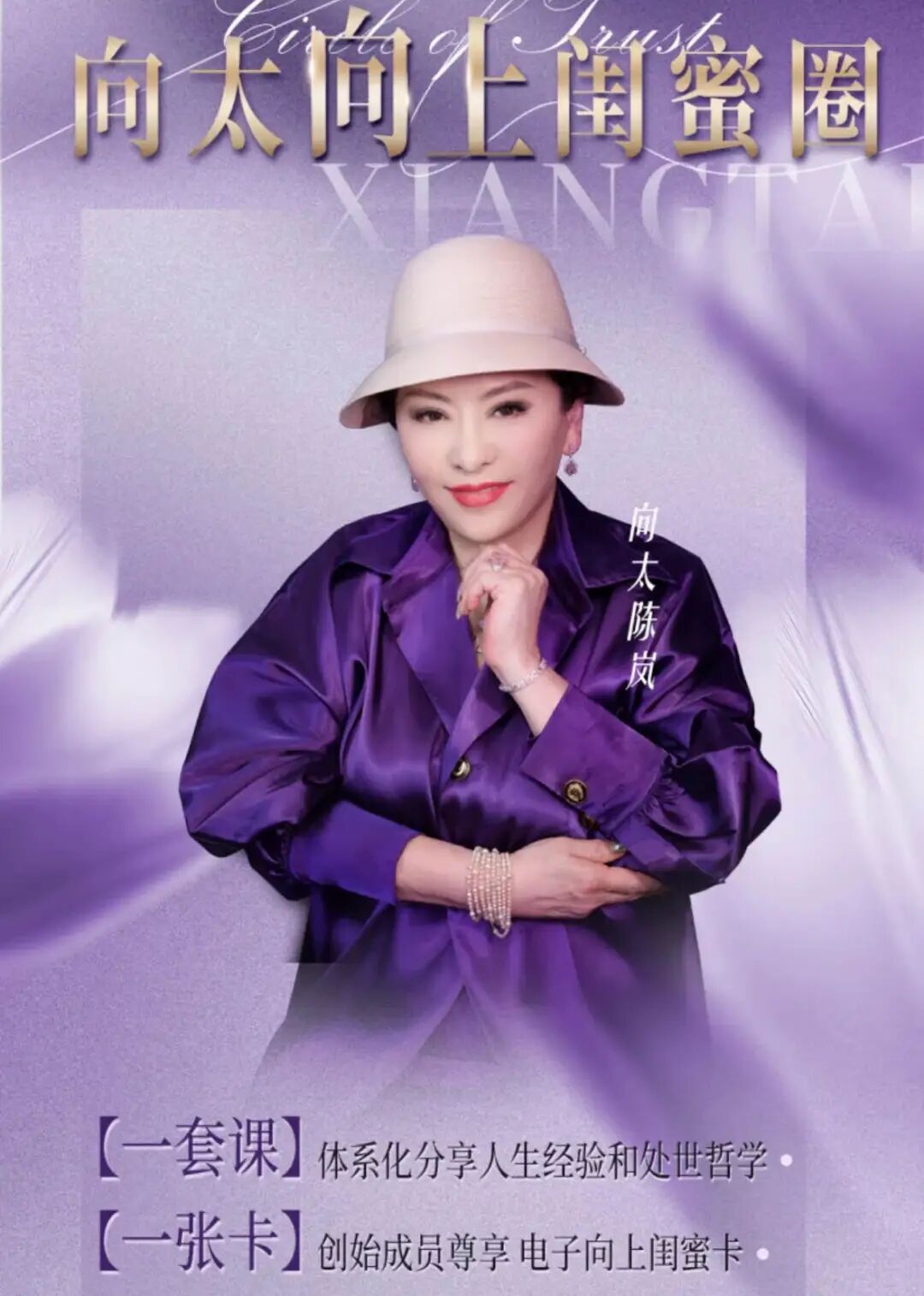
向太卖399元「向上社交课」,被资本硬捧的明星们咋都想教打工人“如何做人”?
3 6 Ke· 2025-09-04 07:51
Core Insights - The rise of celebrities selling online courses reflects a growing trend in the knowledge payment industry, with significant sales figures indicating strong market demand [1][4][31] - The courses often focus on personal development themes, such as success and happiness, appealing to a wide audience seeking guidance in their lives [2][4][11] Group 1: Course Offerings and Sales - The course "向太向上闺蜜圈" was launched by celebrity Chen Lan, featuring content on success and happiness, with a total sales figure of nearly 2 million yuan across multiple platforms by September 2 [1][4] - The course is priced at 599 yuan, with a discounted price of 399 yuan, and includes a series of recorded and live sessions [4][9] - The course content includes personal stories and theories on success, with a focus on family background and career development [9][11] Group 2: Market Dynamics and Celebrity Influence - The knowledge payment market in China has seen substantial growth, with the market size increasing from 2.65 billion yuan in 2016 to 112.65 billion yuan in 2022, and projected to reach 280.88 billion yuan by 2025 [31] - Celebrities leverage their fame and personal experiences to attract customers, often leading to high sales volumes despite varying levels of content quality [28][30] - The trend of celebrities selling courses has created a crowded market, with many stars entering the space, leading to questions about the authenticity and value of the content offered [15][26][30]
付费49万元成为“亲传弟子”,“AI”知识付费围猎银发族
3 6 Ke· 2025-07-15 12:56
Core Viewpoint - The rise of knowledge payment platforms, particularly those promoting AI and financial success, is exploiting the vulnerabilities of the elderly population, leading to significant financial losses and emotional distress for many individuals [2][24]. Group 1: The Promoter and His Methods - The promoter, Zhou XQ, is identified as a self-proclaimed expert in financial education, with a background that includes being the founder of a marketing company and a speaker [3][6]. - Zhou XQ's marketing tactics involve persuasive language that promises life-changing financial success through AI, targeting individuals eager for new opportunities [5][10]. - The courses range from low-cost introductory sessions to high-priced exclusive mentorship programs, with some individuals spending up to 490,000 yuan to join Zhou XQ's elite group [11][12]. Group 2: Target Audience and Their Vulnerabilities - The elderly demographic, particularly those without stable income sources, is increasingly drawn to these programs, often driven by financial desperation and a desire for self-improvement [6][16]. - Many participants, like Huang Lihua, are influenced by the community atmosphere and testimonials from other attendees, which further entices them to invest more money into these programs [7][10]. - The marketing strategies effectively exploit the psychological needs of the elderly, who may lack the skills to critically assess the value of these courses [22][24]. Group 3: Industry Trends and Consumer Behavior - The online education market for the elderly is experiencing rapid growth, with a reported 220% increase in funding for elder online education initiatives [23]. - Complaints regarding online courses targeting the elderly have surged, with a 45% increase in grievances related to false advertising and refund difficulties [24]. - The combination of economic anxiety and the allure of quick financial success through AI education creates a fertile ground for exploitation within this demographic [24].

从“成功学大师”到“互联网姐姐”,这届职场博主画风变了
Hu Xiu· 2025-06-22 23:54
Group 1 - The rise of workplace bloggers reflects a shift in collective emotions, where the public seeks a balance between success and emotional value rather than adhering to elite narratives [1] - The "Wool Month Incident" has led to increased emotional expression among young people, with many finding solace in the messages of workplace bloggers like Liu Siyuan [2][3] - There is a notable transformation among previously popular workplace bloggers, who are now shifting from success-oriented narratives to more relatable and supportive content [4][5] Group 2 - The current workplace bloggers are increasingly resonating with young audiences by sharing their everyday experiences and emotional struggles, moving away from traditional success narratives [6][8] - The pressure of the workplace has made many individuals less receptive to conventional success advice, leading to a demand for more empathetic and relatable content [10][19] - The core competitiveness of workplace bloggers now lies in their ability to provide either practical methodologies or emotional support to alleviate anxiety [19][20] Group 3 - The evolution of workplace bloggers involves a transition from personal success stories to a broader understanding of diverse paths to success, emphasizing relatability and shared experiences [22][30] - Many bloggers are now focusing on finding and sharing stories of "perfect ordinary people" who achieve success without extraordinary backgrounds, which resonates more with today's youth [30] - The shift in narrative from individual success to collective understanding reflects a broader societal change in the definition of success [37]