《江城子》

Search documents
鸡毛蒜皮的家庭琐事何以成就千古名篇
Xin Lang Cai Jing· 2026-01-23 16:48
Core Viewpoint - The article discusses the significance of classical Chinese prose, particularly focusing on the work "Xiangji Xuan Zhi" by Gu Youguang, highlighting its narrative depth and emotional resonance, as well as the historical context in which it was written [2][3]. Summary by Sections Historical Context - The peak of classical Chinese prose is generally considered to be during the Tang and Song dynasties, with a decline in quality during the Ming and Qing dynasties, where the genre faced challenges from more popular forms of literature [3][4]. Analysis of "Xiangji Xuan Zhi" - The text is divided into two parts: the main narrative written at the age of eighteen and a supplementary section written at thirty-five, reflecting on the author's experiences and emotional growth over seventeen years [4][5]. - The author employs rich imagery and contrasts to depict the transformation of his living space, emphasizing the importance of environment in shaping one's intellectual and emotional life [5][6]. Themes of Family and Loss - The narrative explores themes of family disintegration and personal loss, particularly focusing on the impact of familial changes on the author's psyche and literary expression [6][7]. - The author reflects on his relationships with his mother and grandmother, revealing the weight of familial expectations and the emotional burden of loss [8][9]. Emotional Expression - The supplementary section poignantly conveys the author's deep sense of loss for his deceased wife, using subtle narrative techniques to express profound emotions without overt declarations [10][11]. - The imagery of the loquat tree planted by his wife serves as a powerful symbol of memory and grief, encapsulating the enduring nature of love and loss [12][13]. Conclusion - The article concludes by emphasizing the lasting impact of personal experiences on literary creation, illustrating how the author's reflections on his life and relationships contribute to the richness of classical prose [14][15].

《隐者山河》:悲喜同源 从盛大回归寂静的心灵叙事丨影评
Xin Lang Cai Jing· 2025-12-26 21:02
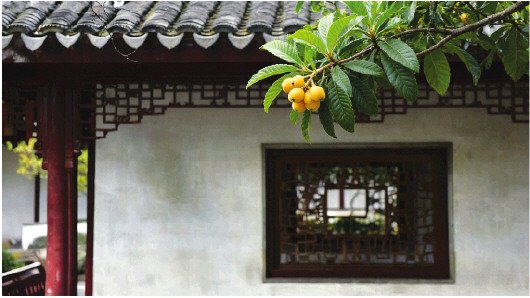
Core Perspective - The documentary "The Hermit Mountains and Rivers" explores the life and philosophical reflections of composer Chen Qigang, emphasizing his artistic journey and personal struggles with loss and illness [1][3]. Group 1: Personal Journey - The film narrates Chen Qigang's heartfelt relationship with the world, his works, and his inner self, particularly after the tragic loss of his son, which prompts him to confront loneliness as a fundamental theme of life [2][3]. - Chen's journey from China to study in Paris and his evolution into a globally recognized composer, including his role as the music director for the 2008 Beijing Olympics, showcases his significant achievements [4]. Group 2: Artistic Expression - The music in "The Hermit Mountains and Rivers" serves as the soul and narrative of the film, with all the score composed by Chen Qigang, reflecting his life philosophy of intertwining joy and sorrow [5][6]. - Various musical pieces, such as "Er Huang," "Ten Thousand Years of Joy," and "The Source of Joy and Sorrow," highlight Chen's technical prowess and the fusion of Eastern and Western cultures [7]. - The film also features familiar film scores like "The Hawthorn Tree" and "The Return," illustrating Chen's ability to blend Western structure with Eastern expressiveness [9]. Group 3: Philosophical Themes - The piece "Jiang Cheng Zi" poignantly encapsulates Chen's grief over his son's death, merging the timeless themes of life and death with profound musical expression [9]. - Chen's violin concerto titled "The Source of Joy and Sorrow" reflects his understanding that joy and sorrow, though seemingly oppositional, originate from the same essence of life, deserving of commemoration and celebration [9].
影评|《隐者山河》:悲喜同源 从盛大回归寂静的心灵叙事
Xin Lang Cai Jing· 2025-12-21 11:28
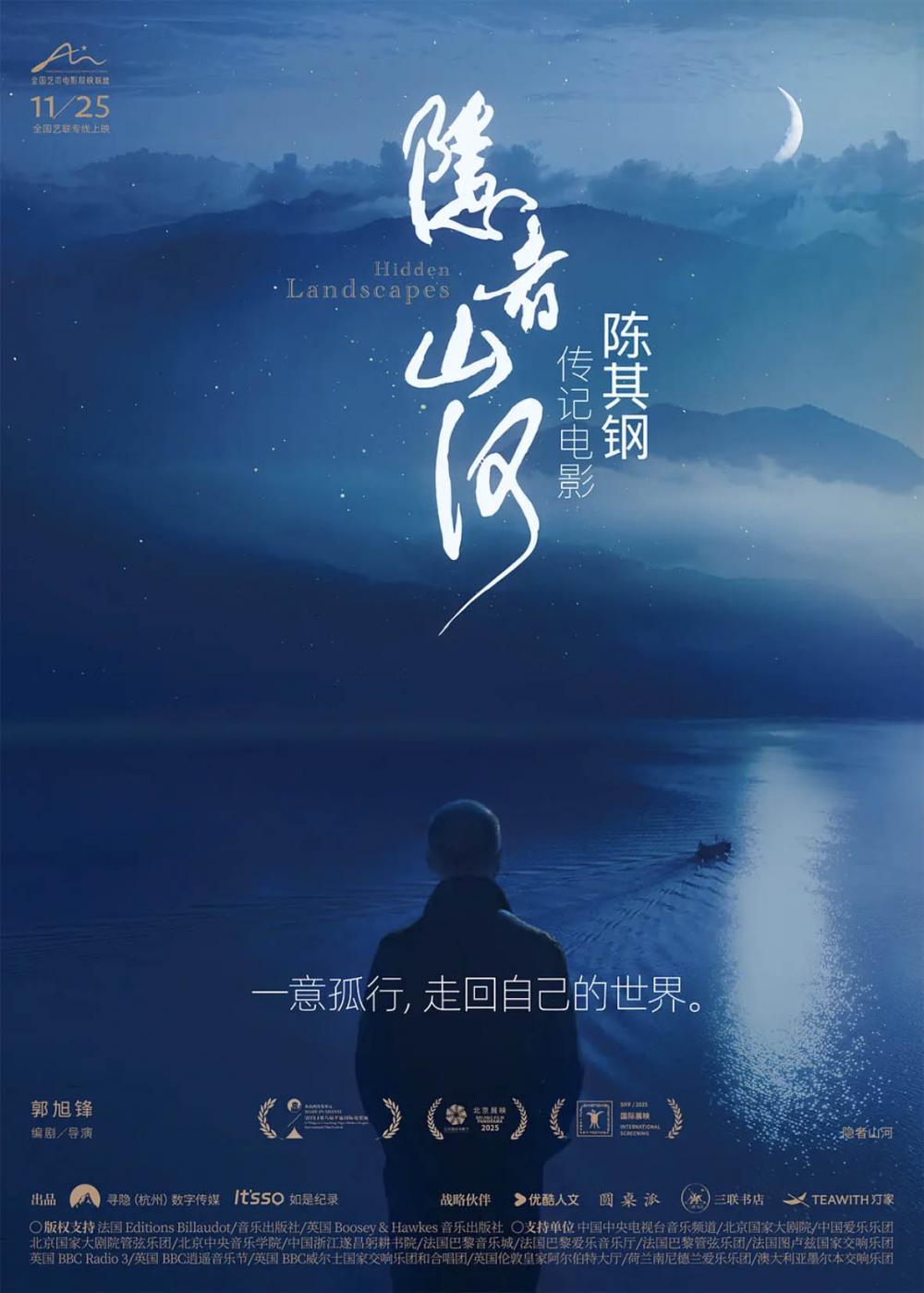
Core Perspective - The documentary "Hidden Landscapes" focuses on the life and philosophy of composer Chen Qigang, exploring themes of art, life, and death through a personal narrative that spans seven years of filming [2][3]. Group 1: Personal Journey - The film portrays Chen Qigang's emotional journey following the tragic loss of his son, emphasizing his struggle to reconnect with the world and nature while confronting solitude [2][3]. - It highlights his transition from a prominent musician to a patient battling lung cancer, symbolizing a return to simplicity and introspection in a rural setting [3]. Group 2: Musical Contributions - Chen Qigang's music serves as the soul of the documentary, with the score entirely composed of his works, reflecting his life philosophy of intertwining joy and sorrow [4][5]. - The film features notable compositions such as "Er Huang," "Ten Thousand Years of Joy," and "The Source of Joy and Sorrow," showcasing his technical prowess and the fusion of Eastern and Western musical traditions [5][6]. - Familiar film scores like "Under the Hawthorn Tree" and "The Flowers of War" are also included, illustrating his ability to blend rigorous Western structures with Eastern expressiveness [7]. Group 3: Philosophical Themes - The documentary encapsulates profound philosophical reflections on life and death, particularly through the piece "Jiang Cheng Zi," which conveys deep emotions stemming from personal loss [7]. - Chen Qigang's work "The Source of Joy and Sorrow" symbolizes the interconnectedness of contrasting emotions, suggesting that both joy and sorrow originate from the essence of life itself [7].
上影节放映的这部纪录片,讲述一位作曲家的创作与人生
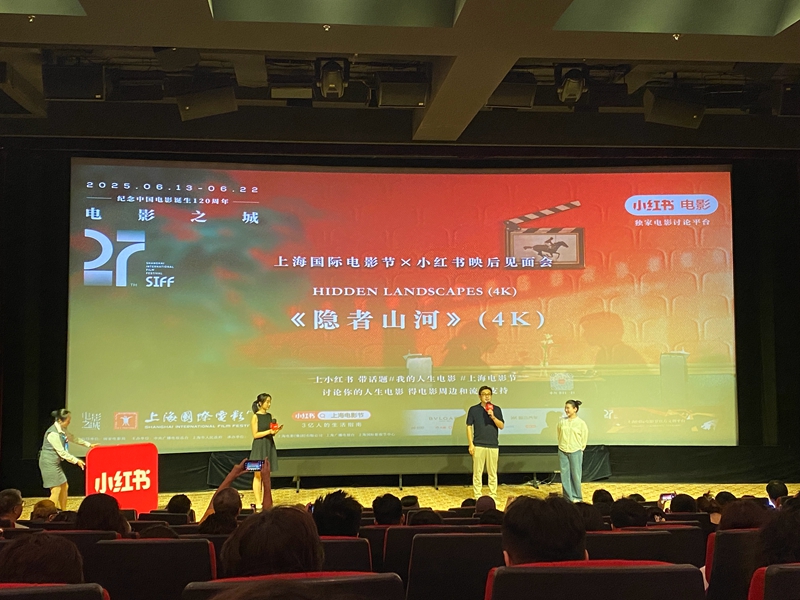
Di Yi Cai Jing· 2025-06-23 08:43
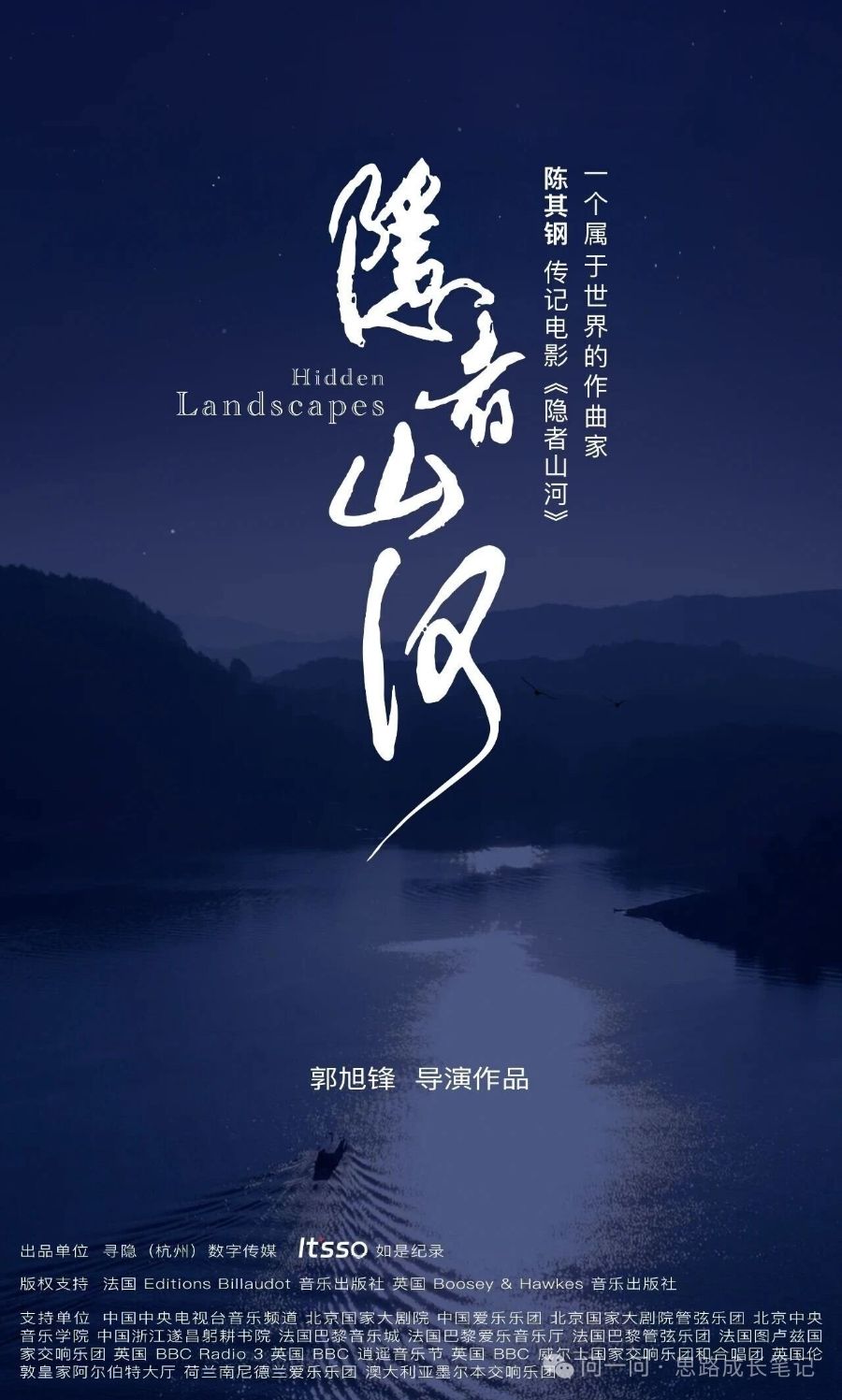
Core Viewpoint - The documentary "In the Mountains and Rivers" showcases the creative career and artistic pursuits of renowned Chinese composer Chen Qigang, highlighting his ideals and contributions to music [1][3]. Group 1: Documentary Overview - "In the Mountains and Rivers" premiered at the Shanghai International Film Festival, featuring director Guo Xufeng and producer Yuan Xiaoshuai [1]. - The documentary took seven years to film, covering multiple countries including China, France, the UK, and Australia, and interviewed over ten internationally recognized musicians and arts managers [3][4]. Group 2: Structure and Content - The film has a runtime of 115 minutes and is divided into six "movements": Retreat, Portrait, Migration, Creation, Cultivation, and Drama, reflecting Chen's life and artistic journey [4]. - The first, fifth, and sixth movements focus on Chen's recent life in Lishui, Zhejiang Province, where he engages in discussions about his experiences and creative philosophy [4]. - The middle three movements utilize audiovisual materials and intimate footage to recreate Chen's musical career, detailing his education in France and the significant works he has created over the years [6]. Group 3: Artistic Philosophy and Impact - Chen Qigang is portrayed as an artist who prioritizes personal expression over commercial appeal, emphasizing the importance of staying true to oneself in the creative process [7]. - The documentary includes references to a previous film that showcased the individuality of contemporary Chinese composers, illustrating the integration of Chinese music with global influences [7][8]. - Chen's music is recognized for its distinctiveness, with international musicians noting that his compositions can be identified within seconds of listening [8]. Group 4: Personal Journey and Themes - The documentary explores Chen's emotional journey, particularly following the loss of his son, which deepened his understanding of life and art [9]. - The production team is currently seeking opportunities to release the documentary in theaters, aiming to reach a wider audience of film and music enthusiasts [10].