《江山故宅》

Search documents
迈向跨界融合的“大文学”时代
Ren Min Ri Bao Hai Wai Ban· 2026-01-14 22:50
Core Viewpoint - The emergence of "New Popular Literature" signifies a shift where the general public becomes the main creator of new cultural narratives, influenced by digitalization and technological advancements [20][33]. Group 1: New Popular Literature - "New Popular Literature" was recognized as one of the "Top Ten New Words of 2025," highlighting the role of the public in cultural creation [20]. - The rise of digital media, including mobile internet and AI, has unleashed a vast amount of creative potential among ordinary authors [20][33]. - The phenomenon of "amateur writing" has gained traction, with various authors from different backgrounds contributing unique narratives [21][34]. Group 2: Impact of AI on Literature - The integration of AI in writing has sparked discussions about the nature of literary creation and the unique qualities that define human authorship [10][11]. - The coexistence of human and AI-generated literature raises questions about the future of writing and the preservation of human experiences in storytelling [10][11]. Group 3: Notable Literary Works and Themes - The year 2025 saw a surge in literature focusing on historical themes, particularly related to the Anti-Japanese War, reflecting a collective memory and cultural identity [16][19]. - Works like "The Sea Wind" and "Peach Blossom Dock" explore the experiences of individuals during wartime, emphasizing the resilience and spirit of the people [17][19]. - The literary landscape is enriched by diverse narratives that address contemporary issues, such as the struggles of ordinary people and the complexities of human relationships [13][14][30]. Group 4: The Role of Individual Experience - Authentic personal experiences and emotional impulses are highlighted as essential elements for creating impactful literature, which AI cannot replicate [11][12]. - The exploration of individual narratives, such as those from ordinary workers and their life stories, contributes to a richer understanding of society [21][34]. Group 5: Future Directions in Literature - The evolving literary scene calls for a reevaluation of traditional literary boundaries, encouraging cross-genre experimentation and collaboration with other media [25]. - The concept of "Big Literature" emerges as a response to the changing cultural landscape, aiming to connect literature with broader social contexts [25].

在叙事的迷宫中重建信义之碑
Xin Lang Cai Jing· 2025-12-26 19:01
Core Viewpoint - The novel "Jiangshan Guzhai" by Fan Xiaoqing explores the themes of cultural heritage, integrity, and loyalty through the pursuit of the "Bu Yitang" and the ancient painting "Chunri Jiayuan Tu," reflecting the rise and fall of families over a century in Suzhou [1][2]. Group 1: Narrative Structure - The novel is structured into five parts, each consisting of a "main topic" and an "appendix," creating a labyrinthine narrative that intertwines present and past [2]. - The narrative employs a fragmented approach, akin to Suzhou embroidery, where various storylines are intricately woven together, culminating in a garden-like storytelling maze [2]. Group 2: Themes and Techniques - The story emphasizes uncertainty and ambiguity, with the protagonist encountering unreliable memories and narratives, which drive the quest for the "Bu Yitang" and the painting [3]. - The author utilizes various narrative techniques, including limited perspectives and multi-voiced storytelling, to enhance the theme of uncertainty [5]. Group 3: Cultural Significance - The novel incorporates local dialects and cultural symbols of Suzhou, such as ancient architecture, gardens, and traditional storytelling forms, enriching the narrative and providing a vivid portrayal of the city's character [5]. - The exploration of values and noble qualities amidst a fragmented and uncertain world serves as a central motivation for the author's writing [4].
十二月光明书榜
Xin Lang Cai Jing· 2025-12-26 19:01
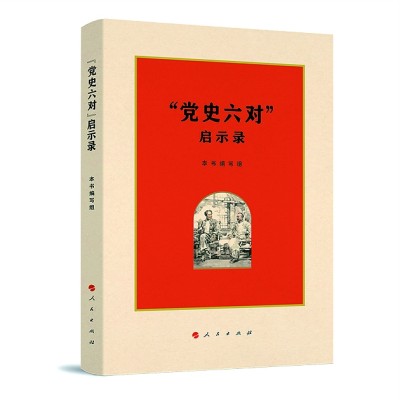
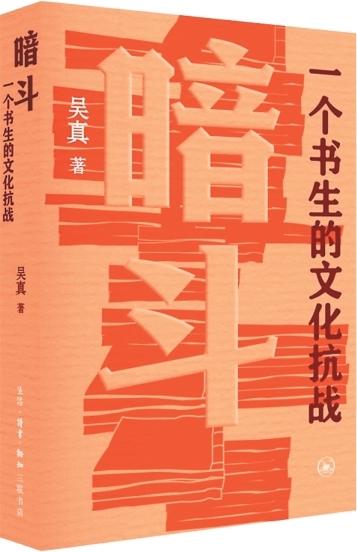
Group 1 - The article discusses various publications, highlighting their contributions to literature and academia [1][3][5][7][9][11][13][15][17][18] Group 2 - Each book mentioned reflects a unique perspective on historical, cultural, and scientific themes, showcasing the diversity of thought in contemporary Chinese literature [1][3][5][7][9][11][13][15][17][18] Group 3 - The authors of these works include notable figures in their respective fields, indicating a high level of expertise and credibility [1][3][5][7][9][11][13][15][17][18] Group 4 - The publications span a wide range of topics, from geography and art to historical analysis, suggesting a rich tapestry of intellectual exploration [1][3][5][7][9][11][13][15][17][18] Group 5 - The books are published by reputable presses, which enhances their visibility and potential impact on readers and scholars alike [1][3][5][7][9][11][13][15][17][18]