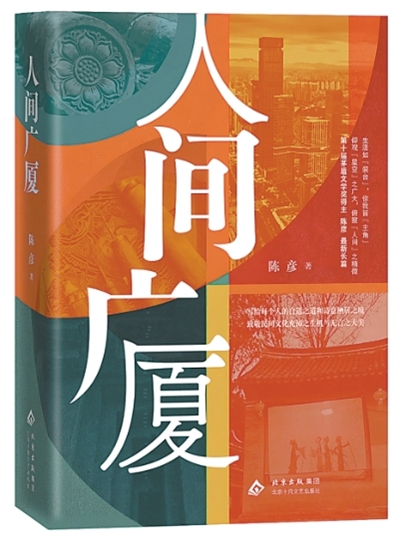
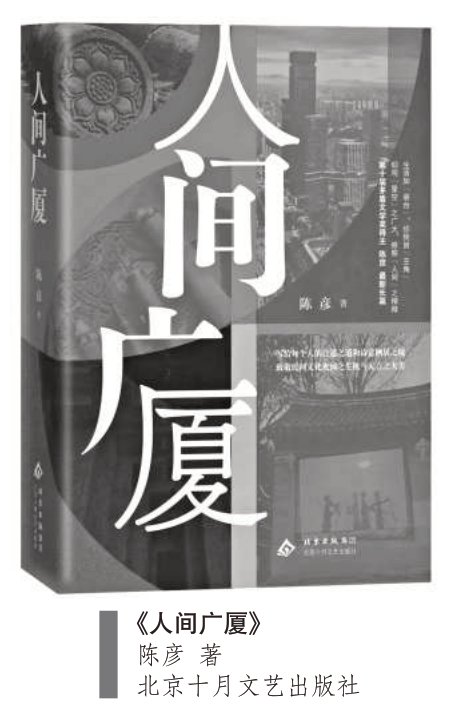
《人间广厦》

Search documents
卷中藏文韵 书香伴新春
Xin Lang Cai Jing· 2026-02-11 22:53
Group 1 - The core viewpoint emphasizes the importance of reading in building a culturally rich society and enhancing national cultural literacy, highlighted by the implementation of the "National Reading Promotion Regulations" on February 1 [1] - The publication "The Six Dialogues of Party History" records significant discussions by Mao Zedong during the New Democratic Revolution, reflecting the core values and experiences of the Communist Party of China [1] - The book "Innovation and Practicality Promote Development" addresses key theoretical issues such as the impact of artificial intelligence on the economy and the promotion of private sector growth [2] Group 2 - "The Economic History of the People's Republic of China" showcases the remarkable economic achievements under the leadership of the Communist Party over the past 70 years [2] - The book "Awakening: Science and Scientists in the War of Resistance" highlights the contributions of Chinese scientists during the Anti-Japanese War, showcasing their integration of Western technology with national needs [3] - "My War Story: Oral Histories of 20 Anti-Japanese Veterans" presents personal accounts from veterans, providing a panoramic view of the war efforts and experiences of the Eighth Route Army [3] Group 3 - "The Great Battlefield: Field Investigation Notes on the Anti-Japanese War" employs a micro-historical approach to document key battles through field research, enhancing the understanding of the war's realities [4][5] - "Connecting with a Thousand Years: The Cultural Heritage of Chinese Libraries" explores the significance of libraries in preserving Chinese cultural heritage and their evolution from private collections to public institutions [6] - "Thinking Across Millennia: 115 Artifacts of Ancient China" presents a selection of artifacts to help readers understand the origins and development of Chinese civilization [7] Group 4 - "Poetry China" and "Chinese Painting: From Yuan to Qing" offer insights into traditional Chinese poetry and painting, showcasing their historical significance and cultural richness [8] - "Humanity's Broad House" by Chen Yan delves into the complexities of human nature through narratives based on personal experiences during the 1990s housing allocation [10] - "The Salty Joke" by Liu Zhenyun uses humor to reflect on ordinary people's lives, illustrating the resilience and adaptability of individuals in the face of life's challenges [11] Group 5 - "Double Medicine" recounts the historical battle against malaria, emphasizing the role of traditional medicine in modern breakthroughs [12] - "Wukong's Journey: China's Plan for Dark Matter Exploration" details the development of the "Wukong" satellite, symbolizing China's advancements in scientific research [13] - "The World Inside China" provides a comprehensive view of Chinese civilization from a global perspective, highlighting its historical and cultural significance [14]
作家需要 匍匐在生活的大地上
Xin Lang Cai Jing· 2026-01-31 22:37
Core Viewpoint - Chen Yan's latest novel "Human Dwelling" explores the theme of housing allocation during a specific historical period, reflecting on human fate and societal complexities through the lens of cultural and artistic communities [4][5]. Group 1: Novel Themes and Structure - "Human Dwelling" uses the housing allocation process as a narrative pivot, revealing the rise and fall of various characters' fates, ultimately suggesting that life follows a cyclical pattern [4][6]. - The novel's dual structure of "above ground housing" and "underground archaeology" creates a mirror effect between life and death, establishing a philosophical foundation for the narrative [9]. Group 2: Character Analysis - The protagonist, Man Tingfang, embodies the struggle between human warmth and coldness, representing the characteristics and circumstances of contemporary Chinese intellectuals [6][10]. - The character's journey reflects the importance of human warmth and empathy in a society where individuals often prioritize self-interest [10]. Group 3: Cultural and Artistic Reflections - The novel emphasizes the significance of folk culture and its resilience, suggesting that a nation's cultural elevation relies on its grassroots cultural heritage [11]. - Chen Yan integrates elements of classical literature with everyday life, highlighting the beauty of language and cultural traditions [12][14]. Group 4: Author's Perspective on Writing - Chen Yan believes that writers should focus on familiar lives and environments, using them as a foundation to explore deeper human experiences and societal issues [16][17]. - The author stresses the need for literature to maintain a balance between realism and artistic expression, advocating for a grounded approach to storytelling [18].

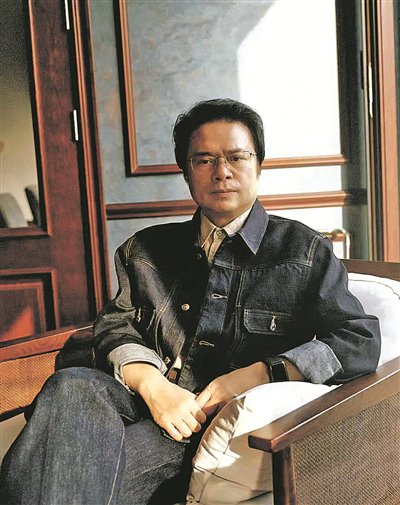
迈向跨界融合的“大文学”时代
Ren Min Ri Bao Hai Wai Ban· 2026-01-14 22:50
Core Viewpoint - The emergence of "New Popular Literature" signifies a shift where the general public becomes the main creator of new cultural narratives, influenced by digitalization and technological advancements [20][33]. Group 1: New Popular Literature - "New Popular Literature" was recognized as one of the "Top Ten New Words of 2025," highlighting the role of the public in cultural creation [20]. - The rise of digital media, including mobile internet and AI, has unleashed a vast amount of creative potential among ordinary authors [20][33]. - The phenomenon of "amateur writing" has gained traction, with various authors from different backgrounds contributing unique narratives [21][34]. Group 2: Impact of AI on Literature - The integration of AI in writing has sparked discussions about the nature of literary creation and the unique qualities that define human authorship [10][11]. - The coexistence of human and AI-generated literature raises questions about the future of writing and the preservation of human experiences in storytelling [10][11]. Group 3: Notable Literary Works and Themes - The year 2025 saw a surge in literature focusing on historical themes, particularly related to the Anti-Japanese War, reflecting a collective memory and cultural identity [16][19]. - Works like "The Sea Wind" and "Peach Blossom Dock" explore the experiences of individuals during wartime, emphasizing the resilience and spirit of the people [17][19]. - The literary landscape is enriched by diverse narratives that address contemporary issues, such as the struggles of ordinary people and the complexities of human relationships [13][14][30]. Group 4: The Role of Individual Experience - Authentic personal experiences and emotional impulses are highlighted as essential elements for creating impactful literature, which AI cannot replicate [11][12]. - The exploration of individual narratives, such as those from ordinary workers and their life stories, contributes to a richer understanding of society [21][34]. Group 5: Future Directions in Literature - The evolving literary scene calls for a reevaluation of traditional literary boundaries, encouraging cross-genre experimentation and collaboration with other media [25]. - The concept of "Big Literature" emerges as a response to the changing cultural landscape, aiming to connect literature with broader social contexts [25].
《人间广厦》:他们说,分房是一场战争
Bei Jing Ri Bao Ke Hu Duan· 2025-12-28 14:08
Core Viewpoint - The novel "Human Mansion" by Chen Yan explores the theme of housing allocation as a metaphor for human desires, struggles, and the quest for a sense of belonging, intertwining various cultural elements to reveal the complexities of human nature [2][10]. Summary by Sections Plot Overview - The story revolves around a thirty-story building and the chaotic housing allocation process at the "West Capital Cultural Art Research Institute," highlighting the desperation and moral dilemmas faced by its diverse characters [2][10]. - The first chapter, titled "Housing Allocation is a War," depicts the urgency and conflicts arising as the retiring director is pressured to finalize housing distribution before retirement, leading to intense competition among the staff [2][10]. Character Analysis - The protagonist, Director Man Tingfang, is portrayed as a reluctant leader caught in the turmoil of housing allocation, representing the struggle between personal integrity and institutional pressures [5][10]. - Supporting characters like the opportunistic Deputy Director Ying Tianchang and the dedicated folk artists Xi Chunlai and He Xinnang illustrate contrasting approaches to life and values, from self-serving calculations to genuine dedication to cultural preservation [8][9][10]. Themes and Symbolism - The novel employs dual narratives, juxtaposing the chaotic housing allocation with a quiet archaeological dig led by Man's wife, Zhao Yiqiu, symbolizing the deeper quest for spiritual and historical understanding beyond material possessions [4][6][10]. - Cultural elements such as Qin opera, folk songs, and traditional crafts serve not only as a backdrop but also as integral to character development, reflecting their personalities and values [4][9]. Conclusion - "Human Mansion" transcends the literal theme of housing allocation, delving into the essence of human existence, the importance of moral integrity, and the pursuit of a meaningful life, ultimately suggesting that true stability comes from within rather than from material wealth [10].
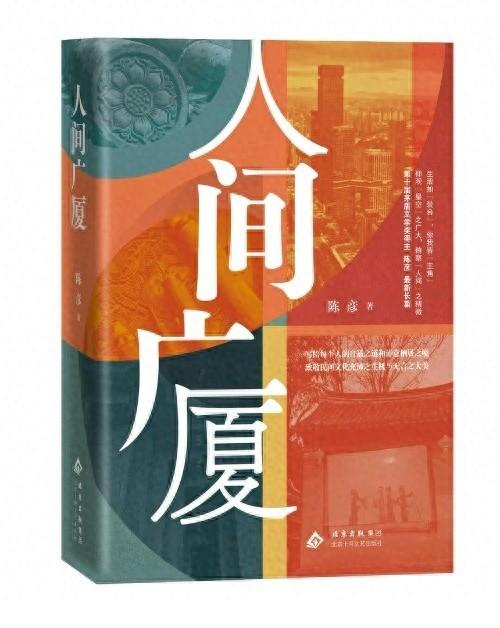
他们说,分房是一场战争
Bei Jing Wan Bao· 2025-12-26 07:39
Core Perspective - The novel "Human Mansion" by Chen Yan explores the theme of housing allocation as a metaphor for human desires, integrity, and the deeper meaning of "home" beyond mere physical shelter [2][9] Group 1: Narrative Structure and Style - Chen Yan continues his realist approach seen in previous works while introducing new elements, blending traditional chapter styles with modern narrative techniques [3] - The dual narrative structure contrasts the chaotic housing allocation with the quiet archaeological dig, enriching the thematic depth of the story [3][9] - The use of local dialect and vibrant dialogue adds authenticity to the characters and setting, enhancing the reader's experience [3] Group 2: Character Analysis - The protagonist, Man Tingfang, is portrayed as a reluctant leader caught in the turmoil of housing allocation, representing the struggle between personal integrity and societal pressures [4][9] - Supporting characters like the opportunistic deputy director Ying Tianchang and the dedicated folk artists highlight various human motivations and ethical dilemmas within the context of the housing crisis [7][8] - The character of Xiao Taohong, a once-celebrated performer, illustrates the personal sacrifices made in the pursuit of stability and legacy, revealing the complexities of human relationships [6] Group 3: Themes and Messages - The novel critiques the moral compromises individuals make in the face of competition and scarcity, showcasing a spectrum of human behavior from integrity to opportunism [9] - It emphasizes that true stability and fulfillment come from personal effort and moral integrity rather than material possessions or power [9] - The underlying message suggests that the quest for a spiritual home is a timeless human desire, transcending the physicality of housing [9]
2025年11月“中国好书”推荐书目发布
Xin Hua She· 2025-12-16 06:19
Group 1 - The "China Good Books" recommended list for November 2025 has been released in Beijing under the guidance of the Publication Bureau of the Publicity Department of the Communist Party of China [1] - The selected titles include "The History of Taiwanese People's Anti-Japanese Struggle during the Japanese Occupation," "Civilization China: A Million-Year Human History, Ten-Thousand-Year Cultural History, and Five-Thousand-Year Civilization History," and "The Spiritual Pursuit of Chinese Civilization" among others [1]
冷幽默之下,是理想主义的“暖”(新作速评)
Ren Min Ri Bao· 2025-12-01 22:11
Core Viewpoint - Chen Yan is a notable figure in both drama and novel writing, successfully transitioning between the two forms while maintaining a strong literary voice and perspective on societal issues [1][2]. Group 1: Literary Achievements - Chen Yan's long-form novels, including his latest work "Humanity's Grand House," integrate dramatic elements while remaining grounded in realism, showcasing his confidence as a writer [2][4]. - "Humanity's Grand House" serves as both a memoir and a revelation, addressing ongoing societal issues related to distribution and evaluation of resources and fame [5]. Group 2: Narrative Style and Themes - The novel is characterized by a unique narrative style that combines cold humor with warmth, reflecting the author's empathy for the underprivileged and a critical view of social distribution systems [9]. - The structure of "Humanity's Grand House" is notable for its 100 chapters, each rich with human experiences and societal observations, fulfilling the criteria of an excellent novel [6][7].