
《沁园春·雪》

Search documents
2026戏曲名家名段演唱会精彩上演
Xin Lang Cai Jing· 2026-01-18 00:57
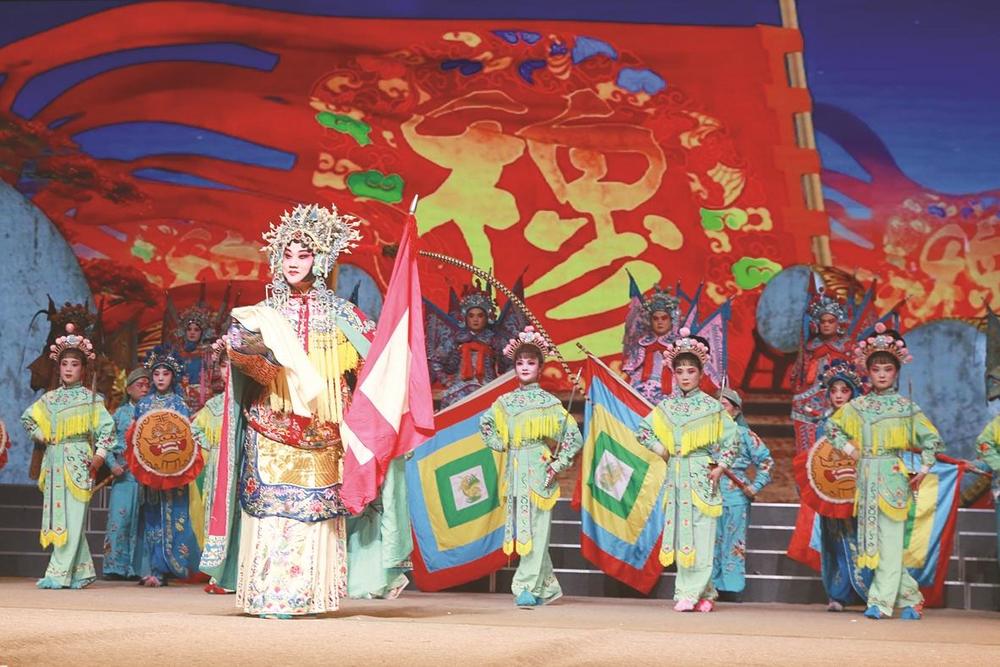
Core Viewpoint - The performance "Xiqu Gathering in Handan: Celebrating the New Year" showcased the richness and diversity of Chinese opera, highlighting the intergenerational transmission of this art form as it prepares for the upcoming Lunar New Year [3][4]. Group 1: Event Overview - The concert took place on January 16 at the Handan Grand Theatre, featuring multiple award-winning artists, including winners of the Plum Blossom Award and the Peony Award, demonstrating a full range of roles in Chinese opera [3]. - The event opened with the song "Prosperous Pear Garden in Full Bloom," showcasing the deep artistic skills of the performers [3]. Group 2: Performers and Highlights - Notable performances included Wang Hui's powerful rendition of the Henan opera "Five Generations of Requests," and Li Jinzhi's grand performance of the opera song "Ode to the Snow" [3]. - The collaboration between Li Shujian, a Henan opera performer and vice president of the China Theatre Association, and his Cameroonian disciple Liu Bianjing in the segment "Qingfeng Pavilion" highlighted cross-cultural exchange in opera [3]. Group 3: Youth and Future of the Art - The event featured outstanding young actors, such as Yang Liming and Kang Shasha, who presented fresh and simple performances, indicating a vibrant future for the art form [4]. - The closing performance of the Henan opera "Mu Guiying Takes Command," led by young actor Han Pengfei, showcased the strength and skills of the new generation [4].

张国勇魏松石倚洁同台,上海歌剧院建院70周年有这些亮点
Xin Lang Cai Jing· 2026-01-04 10:43
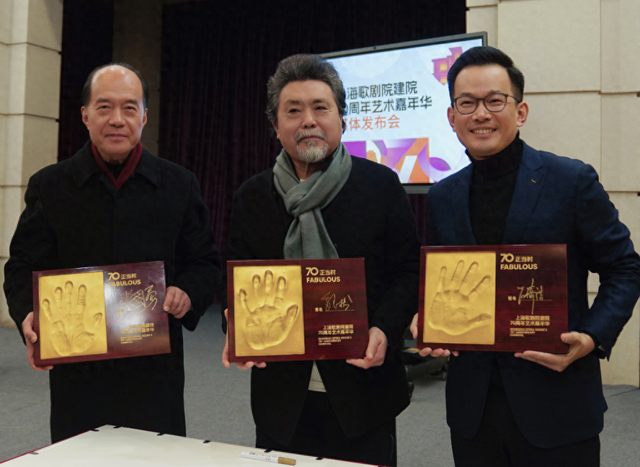
Core Viewpoint - The Shanghai Opera House is celebrating its 70th anniversary in 2026 with a year-long arts carnival themed "70 Just Right," starting with a New Year concert featuring past and current directors [1][3]. Group 1: Anniversary Celebration - The year-long arts carnival will reflect on the 70 years of artistic heritage and look forward to future developments [1]. - The New Year concert will feature performances by former directors Zhang Guoyong and Wei Song, alongside current director Shi Yijie, highlighting the significance of the event [3]. Group 2: Artistic Contributions - The concert will include performances by various opera singers, showcasing both Chinese and international opera selections [3]. - Wei Song will perform his signature piece "Qinyuan Chun·Xue," emphasizing the continuous pursuit of artistic excellence [3]. Group 3: Future Initiatives - Shi Yijie plans to launch the "Chinese Youth Opera Talent Training Program" and the "Brilliant Voices - Outstanding Young Singers" concert series to bridge the gap between education and professional performance [5]. - The Shanghai Opera House will select young Chinese opera singers aged 22 to 32 for a two-year training program, providing opportunities to participate in various productions [5]. Group 4: Upcoming Productions - The opera house will celebrate the 100th anniversary of Puccini's opera "Turandot" with international collaborations [5]. - Future productions will include Verdi's "Rigoletto" and Puccini's "Madama Butterfly," showcasing partnerships with renowned international opera houses [5]. Group 5: Diverse Programming - The opera house aims to present a mix of classic and contemporary works, including light-hearted operas to engage a broader audience [6]. - Upcoming performances will feature significant works such as "The Long March Song" and "The Yellow River Cantata," reflecting on historical and cultural themes [6][8]. Group 6: Audience Development - Shi Yijie emphasizes the importance of cultivating a larger audience for opera, focusing on the quality of productions to encourage repeat attendance [10].
毛泽东诗绘如画江山
Ren Min Wang· 2025-08-07 01:11
Core Viewpoint - The articles explore Mao Zedong's deep appreciation for nature, particularly mountains and rivers, reflecting his emotional connection to the landscapes of China and how these elements influenced his poetry and political thoughts [1][2][3][4][5]. Group 1: Appreciation of Nature - Mao Zedong's hometown, Shaoshan, is described as a beautiful landscape that shaped his sensitivity to natural beauty [1]. - His poetry often features vivid imagery of both mountains and rivers, showcasing his dual love for these elements [2]. - The natural scenery serves as a backdrop to significant historical events in Mao's life, illustrating the intertwining of his personal experiences with the broader narrative of China's revolutionary struggle [3]. Group 2: Political and Cultural Reflections - Mao's poetry transitioned from depicting the struggles of old China to celebrating the achievements of the new China, reflecting the transformation of the nation [4]. - His works convey a sense of hope and renewal, emphasizing the importance of the younger generation in continuing the revolutionary spirit [5]. - The imagery in his poetry often serves to express his political ideals and philosophical reflections, demonstrating how nature can symbolize broader societal themes [5].