《游戏人间》

Search documents
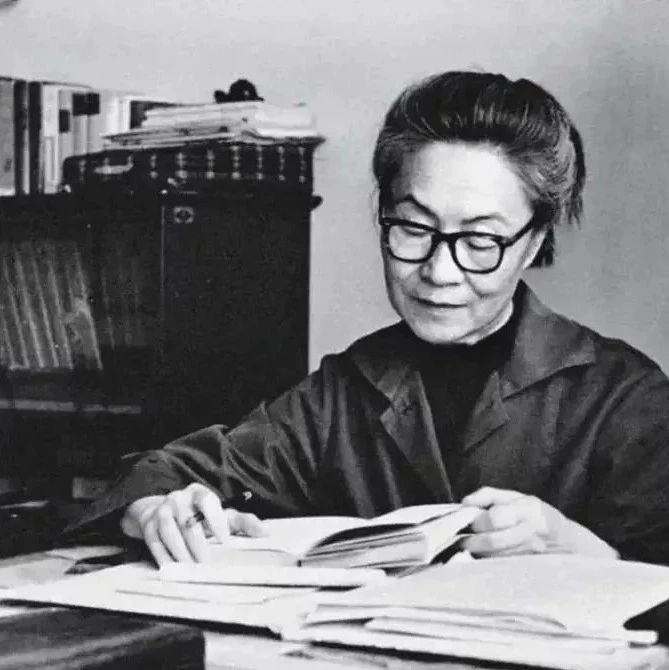
李健吾鼓励杨绛创作剧本
Xin Lang Cai Jing· 2026-01-05 16:39
Core Viewpoint - The article highlights the emergence of Yang Jiang as a significant figure in modern Chinese drama through her first play "The Right Match," which was well-received and established her reputation in the theatrical community [1][2]. Group 1: Background and Initial Creation - In early winter of 1942, playwright Chen Linrui invited fellow Tsinghua University alumni, including Li Jianwu and Yang Jiang, to discuss the vibrant theatrical scene in Shanghai [1]. - Encouraged by her peers, Yang Jiang, who had no prior experience in drama, completed her first comedy script "The Right Match" by the end of that year [1]. Group 2: Reception and Impact - "The Right Match" premiered in May 1943 at the Jindu Theatre in Shanghai, directed by Huang Zuolin, and received widespread acclaim, marking Yang Jiang's rise to fame [2]. - At the time of the play's success, Yang Jiang was only 32 years old, and her husband Qian Zhongshu had not yet gained recognition, with people often referring to him as "Yang Jiang's husband" [2]. - Following the success of "The Right Match," Yang Jiang continued to write, producing successful works such as "True and False" and "Game of Life," solidifying her place in modern Chinese drama [2].
杨绛:只要你不去期盼他人的认可,不去琢磨任何人的想法,不去担心没有发生的事,你就会过得......
洞见· 2025-07-31 12:36
Core Viewpoint - The article emphasizes the importance of simplifying life by not seeking external validation, avoiding overthinking, and not worrying about unoccurring events, which leads to a more peaceful and fulfilling existence [4][6][43]. Group 1: Simplifying Life - The author suggests that a simple mindset can alleviate internal struggles and emotional burdens [5][19]. - The story of Yang Jiang illustrates how she achieved success by focusing on her work rather than external recognition, stating that her past achievements were not her concern [12][14][16]. - Yang Jiang's perspective highlights that true fulfillment comes from within, and one should prioritize personal feelings over others' opinions [17][18]. Group 2: Emotional Resilience - The article discusses the concept of "dullness" in emotional responses, advocating for a less sensitive approach to interpersonal dynamics to maintain inner peace [21][27]. - It cites that excessive sensitivity can lead to unnecessary stress and anxiety, as individuals often overanalyze others' words and actions [22][25]. - The idea of "dullness" is presented as a valuable life skill that allows individuals to navigate challenges without being easily disturbed [26][28]. Group 3: Living in the Present - The author encourages readers to slow down and not worry about potential future problems, as this can detract from enjoying the present [30][36]. - Citing historical figures like Churchill, the article reinforces that most worries are unfounded and that living in the moment is essential for achieving tranquility [37][39]. - The conclusion emphasizes that life is fleeting, and individuals should focus on self-exploration and personal growth rather than external distractions [41][42].