永生

Search documents
专访凯文·凯利:还没有真正的AI专家出现!
第一财经· 2026-03-23 12:31
Core Viewpoint - Artificial intelligence (AI) is evolving at an unprecedented pace, transitioning from a tool to a "subject" in its own right, with significant uncertainties surrounding its future development [3]. Group 1: AI Development and Predictions - Kevin Kelly emphasizes that there are still no true AI experts at this stage, and opportunities in AI will arise from new models, emotions, and agents [3]. - In his new book "2049," Kelly discusses various cutting-edge fields, including AI in healthcare, brain-machine interfaces, robotic factories, autonomous driving, and space competition [5]. Group 2: Brain-Machine Interfaces - Kelly expresses surprise at the advancements in brain-machine interface technology, noting that what was once deemed impossible is now achievable, particularly with AI's ability to read and understand brain signals more accurately [5]. - He distinguishes between science and science fiction regarding brain-machine interfaces, predicting that non-invasive interfaces will become common in the next 25 years, while invasive interfaces, like those promoted by Neuralink, face significant biological and technological challenges [5][6]. - Kelly warns against overly optimistic claims about achieving "uploading consciousness" or immortality, stating that such concepts remain in the realm of science fiction and are unlikely to be realized within the next century [5][6]. Group 3: Future of Brain-Machine Interfaces - The effectiveness of invasive brain-machine interface chips is limited, requiring surgical implantation and regular replacement due to biological rejection and signal degradation over time [6]. - Kelly highlights the potential for non-invasive brain-machine interfaces to enable "telepathic" communication in certain scenarios, such as controlling devices with thoughts, which could evolve into more complex applications like driving [6][7]. - He notes that the ability to express actions through thought could significantly expand the scope and creativity of tasks, particularly in creative fields like entertainment [7].


雷·布拉德伯里 永不枯竭的创作热情
Xin Lang Cai Jing· 2026-01-29 17:43
Group 1 - Ray Bradbury's short stories cover a wide range of themes, from time travel to Mars colonization, but he never fully commits to any single theme, creating a magical experience for readers that reflects on humanity and society [1] - Bradbury's writing process was heavily influenced by his childhood fascination with magic, which began when he was twelve years old, leading him to write daily and produce over three hundred short stories and three novels by the time of his death [2][3] - He believed that university education was not necessary for becoming a writer, preferring the resources of libraries, which he frequented for ten years, emphasizing the importance of self-education through reading [3] Group 2 - Bradbury's stories often explore the theme of time travel, not focusing on the mechanics but rather on the connection between life and literature, as seen in his works [4][5] - In "Summer Meeting Dickens," the protagonist Ralph meets Charles Dickens, and through their collaboration, they explore the struggles of literary creation, highlighting the eternal connection between literature and life [6][7] - Bradbury's works suggest that the essence of "eternal life" lies in creating something that carries one's spirit into the future, emphasizing the role of imagination and storytelling in achieving this [8][10] Group 3 - Bradbury's stories often reflect a longing for the past, as seen in "Strawberry Window," where a couple on Mars yearns for the comforts of Earth, illustrating the importance of memory and connection to one's roots [14] - His narratives frequently critique the rapid pace of modern life and the loss of meaningful experiences, advocating for a slower, more reflective approach to existence [14][17] - Bradbury's literary style is characterized by a blend of fantasy and human experience, focusing on the emotional and psychological aspects of his characters rather than adhering strictly to science fiction conventions [13][15]

脑机路线之争:中企们与马斯克针尖对麦芒
Tai Mei Ti A P P· 2026-01-15 11:52
Core Viewpoint - The article discusses the emerging interest in brain-machine interfaces (BMIs) in the capital market, particularly following Elon Musk's provocative ideas about achieving "semi-immortality" through technology [1][2][3]. Industry Overview - The BMI sector has seen a surge, with nearly 50 related companies involved in medical devices, consumer electronics, and content provision, leading to a market capitalization exceeding 1 trillion RMB within just nine trading days in 2026 [1]. - The global BMI market size grew from $1.2 billion in 2019 to nearly $2 billion in 2023, with a compound annual growth rate (CAGR) of over 13% [11]. Company Developments - Musk's Neuralink aims to create a BMI that captures consciousness through invasive methods, while domestic companies like Qiangnao Technology focus on non-invasive techniques, emphasizing safety and rehabilitation [7][10]. - Qiangnao Technology, founded in 2015, has developed the world's first non-invasive brain-controlled bionic hand and has achieved significant market penetration, producing 100,000 units at a fraction of the cost of similar international products [9][10]. Competitive Landscape - The competition between Musk's invasive approach and domestic non-invasive methods represents a broader cultural and technological divergence, with domestic firms prioritizing life preservation and rehabilitation over radical technological replacement [8][11]. - Both Neuralink and Qiangnao Technology are accelerating their efforts, with Neuralink planning large-scale production by 2026 and Qiangnao Technology preparing for an IPO after securing approximately 2 billion RMB in funding [11]. Future Goals - Qiangnao Technology aims to assist 1 million individuals with physical disabilities and improve the lives of 10 million patients suffering from various neurological conditions within the next five to ten years [12].
Musk狠話:永生毀社會!死亡竟是進步鑰匙#ElonMusk #長壽爭議 #AI哲學
大鱼聊电动· 2025-12-12 10:30
Musk的話 讓人聽了心裡一涼 他說我們 不該追求永生 否則社會就爛了 像骨頭僵硬一樣! 啥? 死亡竟是 進步的鑰匙? 對 他說大多人死腦筋 死不了就會 永遠卡住新想法 年輕人帶來 革命思維 得靠老一輩 自然退場 才輪到他們上位 所以Elon警告 權力大叔們 不會鬆手 深層信念 是鐵板一塊 新世代難翻身 結果? 社會像老樹枯朽 沒活力 停滯不前 這個說法 夠激進吧? 但想想 歷史不就這樣? 舊勢力不走 新火種燒不起 Elon不是反長壽 他也愛健康 延長壽命 誰不想要 多點好日子? 但極端永生 像給社會上鎖 扼殺更新 AI和生物 科技熱潮中 這觀點超及時 長壽夢 會不會變噩夢? 你是想活千歲 還是信Elon的 “死亡更新論”? 這哲學炸彈 值不值得深思呢?. ...
怕老怕死卷疯了,科技大佬砸钱“买永生”
3 6 Ke· 2025-12-08 00:55
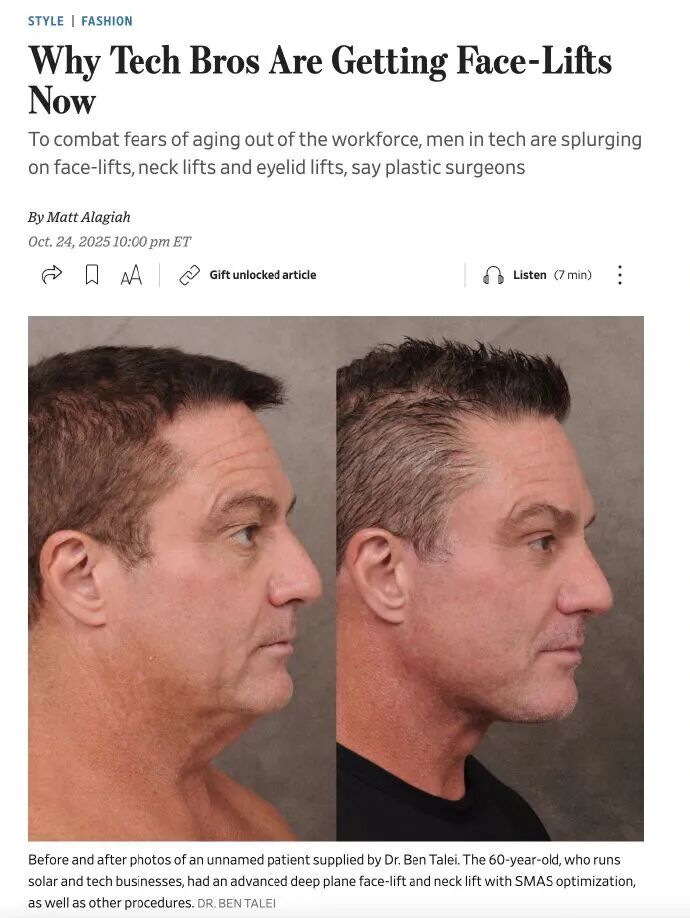
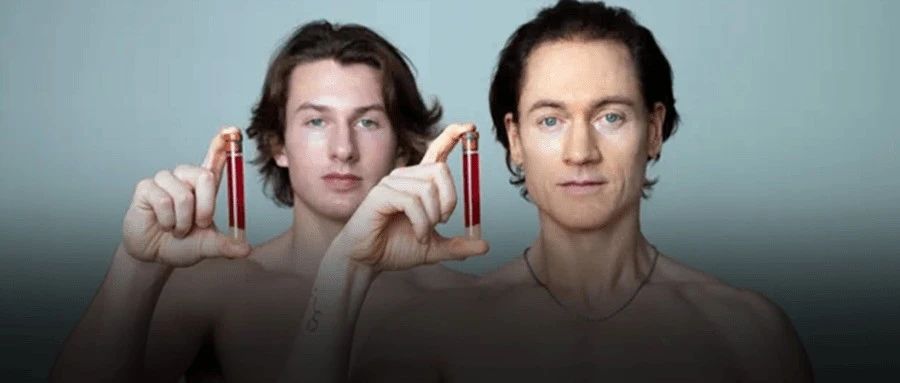
Core Viewpoint - The article discusses the rising trend of appearance anxiety in Silicon Valley, where tech workers are increasingly turning to cosmetic procedures to maintain a youthful appearance amid job insecurity and competitive work environments [1][3][31]. Group 1: Cosmetic Procedures in Silicon Valley - Appointment volumes at plastic surgery clinics in Silicon Valley have surged by 40% over the past six months, with two-thirds of clients being tech employees, averaging under 35 years old [1]. - The perception that youth equates to creativity has led some investors to openly state a preference for hiring younger individuals, further fueling the trend of cosmetic enhancements among tech workers [3]. Group 2: Wealthy Individuals and Anti-Aging Investments - High-profile Silicon Valley billionaires are investing heavily in anti-aging technologies, with Amazon founder Jeff Bezos investing $3 billion in a cellular rejuvenation company aimed at reversing cellular aging [6]. - Elon Musk has also engaged in various anti-aging treatments while developing technologies like Neuralink, which aims to upload human consciousness to the cloud for digital immortality [10]. Group 3: Extreme Anti-Aging Practices - Entrepreneur Bryan Johnson spends $2 million annually on a medical team for his anti-aging regimen, which includes blood exchanges with his son and father to create a "life perpetual motion machine" [15][17]. - Johnson's extreme practices include strict dietary controls, extensive exercise, and a rigorous skincare routine, reflecting a broader trend of obsessive self-care among the wealthy [21][23]. Group 4: Broader Implications in the Tech Industry - The anti-aging anxiety is not limited to Silicon Valley; it has spread to tech circles in China, with a reported 27% increase in male spending on cosmetic procedures in 2023 [31]. - The pressure to appear youthful is seen as a survival strategy in the tech industry, where layoffs can be influenced by perceived age and vitality [34]. Group 5: Capitalizing on Anti-Aging Trends - Bryan Johnson has turned his anti-aging pursuits into a business, selling supplements at inflated prices and hosting events that attract thousands, despite safety concerns about his products [40][42]. - The trend of wealthy individuals investing in anti-aging technologies is viewed as a form of "life insurance," with many seeking to extend their lives through capital and privilege [47][49].
36氪精选:换血、嗑药、砸钱,硅谷富豪流行「续命潮」
日经中文网· 2025-07-11 08:15
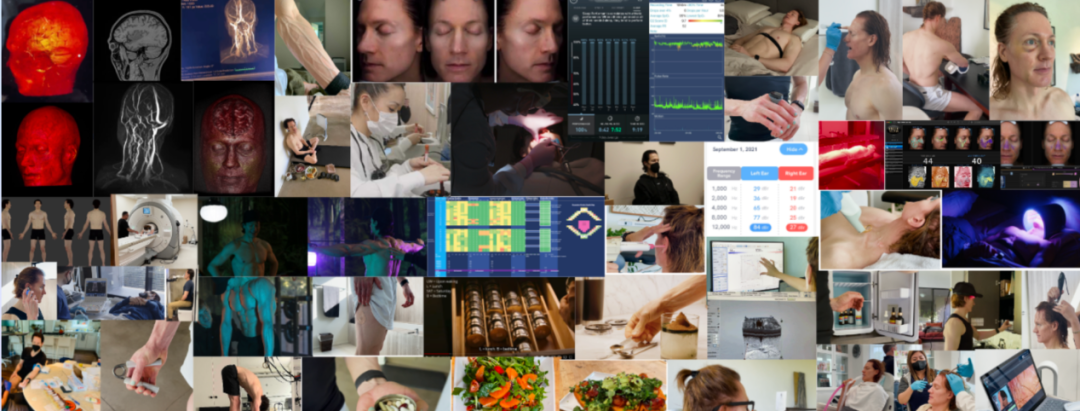
Core Viewpoint - The article discusses the pursuit of anti-aging and longevity, focusing on Brian Johnson, a Silicon Valley entrepreneur who is actively exploring ways to extend human life through advanced technologies and personal health regimens [2][4][5]. Group 1: Brian Johnson's Approach to Anti-Aging - Brian Johnson aims to be the first person to attempt to avoid death, leveraging technology and personal health strategies [5][9]. - He has invested in a company called Blueprint, which monitors over 70 organs to create a personalized life algorithm [10]. - Johnson's daily regimen includes consuming 111 supplements and undergoing various cutting-edge treatments, including blood plasma therapy [23][25]. Group 2: The Silicon Valley Culture of Longevity - The pursuit of anti-aging is a common theme among wealthy Silicon Valley figures, with notable individuals investing heavily in biotechnology and health initiatives [6][8]. - Major tech entrepreneurs like Jeff Bezos and Mark Zuckerberg have also established companies focused on longevity, indicating a trend within the industry [8][9]. Group 3: Public Perception and Ethical Considerations - Johnson's methods, particularly blood plasma therapy, raise ethical questions, but he defends them by comparing the risks to those of unhealthy eating habits [25][26]. - His approach has attracted a following, suggesting a growing interest in anti-aging solutions among the public [28]. Group 4: Practical Advice for Longevity - Johnson emphasizes the importance of good nutrition, sleep, and exercise as fundamental components of a healthy lifestyle [30][31]. - He provides practical tips, such as maintaining a low resting heart rate before sleep, to help others improve their health without significant financial investment [29][30].

专访 | 硅谷富豪不死赌局:砸千万美金,向死神追回5.1岁
3 6 Ke· 2025-07-08 00:31
Core Viewpoint - Bryan Johnson, a Silicon Valley entrepreneur, is dedicated to anti-aging and longevity, investing significantly in various health technologies and practices to reverse his biological age and promote a healthier lifestyle [1][2][3]. Group 1: Personal Journey and Philosophy - Johnson's journey into anti-aging began after selling his company for nearly $1 billion, leading him to explore how to live a more meaningful life [4][5]. - He emphasizes the importance of scientific measurement in health, advocating for a data-driven approach to understanding and improving personal health metrics [12][18]. - The concept of "Don't Die" is framed as a universal call to action, transcending cultural and ideological differences, focusing on the shared human desire to live [26][27]. Group 2: Health Practices and Findings - Johnson follows a strict regimen that includes low-calorie intake, regular exercise, and extensive supplementation, claiming that foundational practices like sleep, diet, and exercise account for 80% of health outcomes [19][21][36]. - He has publicly shared over 60 biomarkers related to health and longevity, aiming to create a measurable standard for health that can be replicated by others [13][34]. - The focus on resting heart rate before bed is highlighted as a key indicator of overall health, with specific recommendations for improving it through lifestyle changes [20][21]. Group 3: Community and Cultural Impact - Johnson has created support groups to foster accountability and community among individuals striving to improve their health, emphasizing the importance of social support in achieving health goals [24][25]. - He aims to shift cultural perceptions around health, making good health practices socially desirable and recognized [23][34]. - The initiative to establish a "Rejuvenation Olympics" encourages experimentation with various therapies to discover effective methods for slowing aging [31][34].
换血、嗑药、砸钱,硅谷富豪流行「续命潮」
36氪· 2025-06-17 13:30
Core Viewpoint - The article discusses the extreme measures taken by Bryan Johnson, a Silicon Valley entrepreneur, in his pursuit of anti-aging and longevity, including blood transfusions and a rigorous supplement regimen, while questioning the societal implications of such pursuits [2][4][22]. Group 1: Bryan Johnson's Anti-Aging Methods - Bryan Johnson consumes 111 supplements daily and has invested in various advanced therapies, including gene therapy and blood plasma therapy, to slow down his aging process [9][22]. - He has developed a personalized life algorithm by monitoring over 70 organs, aiming to optimize his health and longevity [9][20]. - Johnson's aging coefficient is reported to be 0.54, indicating he has effectively slowed his biological aging compared to the average [18][20]. Group 2: Societal and Ethical Implications - The article raises questions about the ethical boundaries of Johnson's methods, particularly his blood transfusion practices with his son, which have sparked public debate [22][24]. - Johnson compares the risks of his therapies to the dangers of fast food consumption, suggesting that societal norms around health and risk are misaligned [24][25]. - The pursuit of anti-aging is framed as a broader trend among wealthy Silicon Valley figures, highlighting a cultural obsession with overcoming mortality [6][8]. Group 3: General Health Recommendations - Despite his extreme measures, Johnson emphasizes basic health principles such as proper diet, sleep, and exercise, suggesting that these are foundational to longevity [15][30]. - He proposes a structured daily routine to optimize health, including specific meal timing to improve sleep quality and overall well-being [29][30].
每年花200万美元抗衰,硅谷富豪想活到25世纪
Hu Xiu· 2025-03-31 07:18
Core Insights - The article discusses Brian Johnson, a wealthy American entrepreneur, who is pursuing extreme anti-aging methods and aims to achieve a form of immortality through various scientific and lifestyle interventions [1][4][5]. Group 1: Brian Johnson's Anti-Aging Philosophy - Johnson spends over $2 million annually on anti-aging efforts and follows a strict regimen that includes over a thousand interventions [4][12]. - He has developed a "Blueprint Protocol" that he claims has significantly slowed his aging process, with his biological age reportedly being 37 despite being 48 [12][19]. - Johnson's daily routine includes extensive health monitoring, a strict vegan diet, and various high-tech treatments, which he believes contribute to his health and longevity [10][11][12]. Group 2: Controversial Practices - Johnson has engaged in controversial practices such as multi-generational blood plasma exchange with his son and father, which he claims may have reversed some aging effects [32][34]. - He has also undergone gene therapy aimed at increasing muscle mass and strength, which raises ethical and safety concerns due to the experimental nature of such treatments [36][39]. - His approach to anti-aging has drawn comparisons to other tech billionaires who are investing in longevity research, highlighting a growing trend in Silicon Valley [25][27]. Group 3: Public Perception and Marketing - Johnson has cultivated a public persona that includes a "Don't Die" movement, which he promotes as a new ideology for longevity [48][49]. - He actively shares his health data and experiences, positioning himself as a "guinea pig" for anti-aging research, which has sparked both interest and skepticism [29][46]. - Critics argue that his methods may be more about marketing and personal branding than genuine scientific advancement, raising questions about the accessibility of such treatments for the general population [50][51].