《爸爸去哪儿》

Search documents
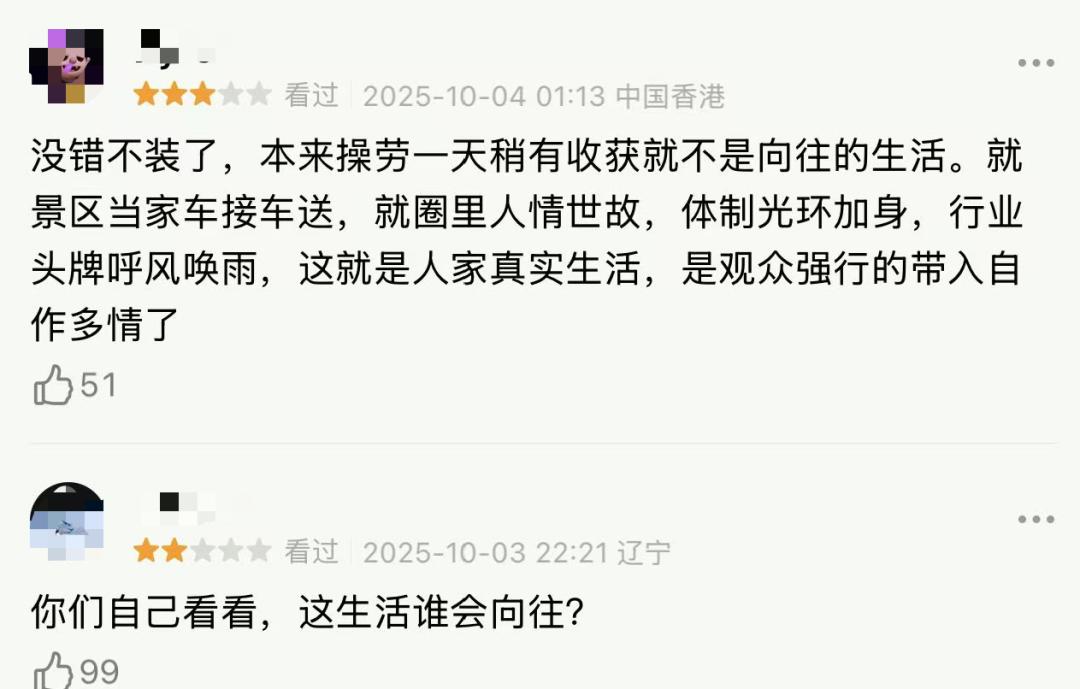
“慢综”里还有观众“向往的生活”吗?
3 6 Ke· 2025-10-20 12:20
Core Points - The return of the classic IP "Wishing for a Better Life" after two years has received mixed reviews, with many longtime fans expressing disappointment over the show's shift in focus and format [1][5][7] - The initial episodes introduced a "theater-like" theme, which diverged from the show's traditional rural lifestyle, leading to viewer dissatisfaction [5][7] - However, the show began to regain its original charm in later episodes, with familiar cooking segments and everyday life scenes returning, improving audience reception [3][11][13] Summary by Sections Show Format and Reception - The eighth season of "Wishing for a Better Life" moved its setting to Wuzhen and attempted to integrate a "theater-like" theme, which many viewers found unappealing as it strayed from the show's core essence of rural life [1][5] - Initial episodes featured excessive script reading and promotional content, leading to a slow pace that frustrated viewers [5][7] - By the third episode, the show started to incorporate more traditional elements, such as cooking and daily life activities, which positively impacted audience feedback [3][11] Evolution of Slow Variety Shows - Slow variety shows like "Wishing for a Better Life" emerged as a response to audience fatigue with fast-paced competition shows, focusing on healing and a return to simpler lifestyles [14][18] - The genre has evolved from its early forms, such as "Where Are We Going, Dad?" to more established formats that emphasize everyday experiences and emotional connections [16][18] - Recent successful slow variety shows, including "Planting Land," have shifted from mere experiences to deeper societal themes, indicating a maturation of the genre [23][27] Future Directions - The slow variety genre continues to innovate by blending elements of travel, social interaction, and emotional storytelling, as seen in newer shows that explore broader societal issues [21][25] - Upcoming shows are expected to maintain the balance between entertainment and meaningful content, ensuring the genre remains relevant and appealing to audiences [25][27]

男明星做饭人设有多赚钱?
3 6 Ke· 2025-10-10 10:53
Core Insights - The article discusses the rise of male celebrities in China who have built successful personas around cooking, highlighting how this trend has become a viable career path for them [3][24]. Group 1: Celebrity Cooking Personas - Liu Yiwei is recognized as the first celebrity in China to gain fame through cooking, hosting the show "天天饮食" which attracted 5 million viewers daily [3][5]. - The cooking persona of Liu Yiwei paved the way for other celebrities, establishing a trend of portraying men as good husbands and fathers who can cook [4][5]. - Lin Yilun, another host from "天天饮食," leveraged his cooking skills to create a personal brand and business, including a chili sauce brand [7][8]. Group 2: Impact of Reality Shows - The reality show "爸爸去哪儿" (Where Are We Going, Dad?) helped Zhang Liang gain significant popularity due to his cooking skills, which became a memorable aspect of his persona [9][10]. - Huang Lei transitioned from a literary image to a caring father figure through cooking on the same show, leading to the launch of his cooking brand "黄小厨" [12][14]. - Huang Lei's involvement in various successful dramas and shows has solidified his image as a family-oriented figure, further enhancing his brand [14]. Group 3: Business Ventures and Success -谢霆锋's cooking persona began with "十二道锋味" (12 Flavors of Chef) in 2014, where he established himself as a chef and created a strong brand around his cooking [15][19]. - The launch of his food company, "锋味派," has seen significant success, with sales of his signature product, a gourmet sausage, reaching 1.5 billion yuan [21][22]. -谢霆锋's strategic partnerships, particularly with Alibaba, have allowed him to expand his brand and product offerings effectively [19][20]. Group 4: Industry Trends - The trend of male celebrities adopting cooking personas is largely driven by the need for career transformation as they age, allowing them to maintain relevance in the entertainment industry [25][26]. - The low barrier to entry in the food industry, combined with the universal appeal of cooking, makes it an attractive avenue for celebrities seeking to diversify their careers [28][29]. - The phenomenon reflects a broader trend where celebrities explore various business ventures, including live streaming and entrepreneurship, to sustain their careers [32].
不够怪的家庭综艺,得不到话题青睐了?
3 6 Ke· 2025-09-01 23:24
Group 1 - The article discusses the shift in audience interest from traditional family relationship reality shows to those featuring "quirky" behaviors, highlighting a change in viewer preferences [22][28] - It notes that past family variety shows often relied on relatable content to engage audiences, but current trends show a preference for sensationalism and controversy [24][28] - The article emphasizes that the reality show market is experiencing a cooling period, with many programs failing to generate significant buzz or discussion [26][28] Group 2 - The article mentions specific reality shows like "Sister's Home" and "Goodbye Lover," which have sparked intense online discussions due to their controversial content [22][24] - It highlights the role of social media in amplifying discussions around certain participants, such as Zhang Weiyi, whose actions have drawn public scrutiny [10][22] - The article suggests that the emotional resonance of family-themed shows is diminishing, as audiences increasingly seek out content that offers a stark contrast to their own experiences [22][23]