
《向往的生活》

Search documents
一个隐秘风口,微信成寡头了
虎嗅APP· 2026-01-20 04:46
Core Insights - The article highlights the rapid growth of WeChat mini-games, which have served over 1 billion users in the past year, with a monthly active user (MAU) count exceeding 500 million and a daily active user (DAU) increase of 10% year-on-year, alongside a 27% improvement in user retention [5][6]. Group 1: Market Dynamics - Mini-games are outpacing traditional app-based mobile games, with a user overlap of only 10% between the two, indicating that mini-games are attracting a new audience rather than cannibalizing existing app users [6][7]. - By mid-2024, the active user base of mini-games is expected to surpass that of app-based mobile games for the first time, with mini-games becoming a significant force in the gaming market [7]. - The advertising spending on mini-games has recently surpassed that of app-based mobile games, with daily ad spending reaching approximately 94 million yuan for mini-games compared to 90 million yuan for app games [7][8]. Group 2: WeChat's Competitive Advantage - WeChat's social attributes are deeply integrated into the mini-game ecosystem, facilitating viral growth through social connections, with social channels contributing 30%-50% of users for social mini-games [10]. - The revenue generated from social users in some IAA mini-games exceeds 80%, showcasing the high commercial value of social engagement [10]. - In 2025, the number of mini-games with over 1 million DAU is projected to increase from 60 to 70, and the number of games generating over 10 million yuan in quarterly revenue is expected to rise from 190 to 300 [10]. Group 3: User Demographics and Trends - The user base of WeChat mini-games is predominantly from first and second-tier cities, with 45% of users aged between 24 and 40 years [12]. - The gender distribution is 55% male and 45% female, with female-oriented games starting to gain traction, indicating a shift in market dynamics [12][14]. - Female players are showing a growth rate in spending that is double that of male players, suggesting a significant opportunity for female-targeted game development [14]. Group 4: Developer Support and Monetization - WeChat has implemented favorable revenue-sharing policies for developers, including aligning iOS platform fees with Android, allowing developers to retain 70% of revenue, plus an additional 15% incentive [16][29]. - The platform is simplifying commercialization policies for IAA mini-games, offering up to 90% revenue share for short-term incentives and 85% for long-term incentives [16]. - Developers are encouraged to leverage AI tools for innovation, with the potential for AI-generated content to enhance game development and user engagement [26][30]. Group 5: Future Directions - The focus for the mini-game industry is on uncovering genuine user needs behind social interactions, emphasizing the importance of creating shareable content that stimulates social behavior [25]. - WeChat aims to balance monetization with user experience by exploring non-intrusive advertising formats and ensuring that the game's value to users is prioritized over revenue generation [28]. - The platform is also looking to enhance interactive advertising and content marketing strategies to improve user engagement and retention [35][36].


“慢综”里还有观众“向往的生活”吗?
3 6 Ke· 2025-10-20 12:20
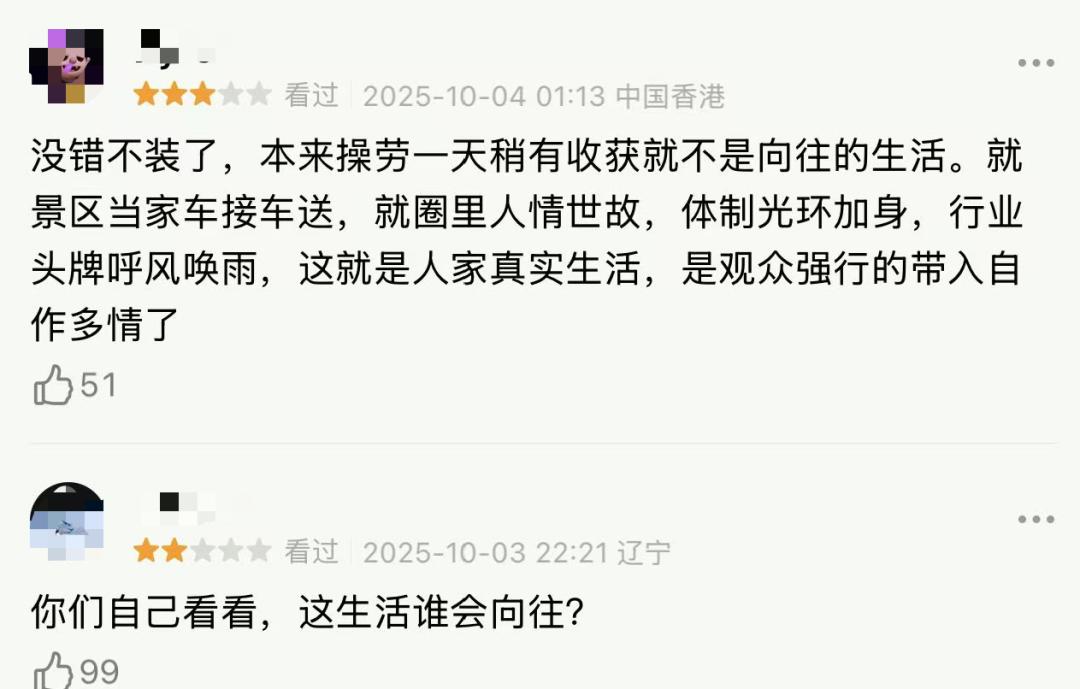
Core Points - The return of the classic IP "Wishing for a Better Life" after two years has received mixed reviews, with many longtime fans expressing disappointment over the show's shift in focus and format [1][5][7] - The initial episodes introduced a "theater-like" theme, which diverged from the show's traditional rural lifestyle, leading to viewer dissatisfaction [5][7] - However, the show began to regain its original charm in later episodes, with familiar cooking segments and everyday life scenes returning, improving audience reception [3][11][13] Summary by Sections Show Format and Reception - The eighth season of "Wishing for a Better Life" moved its setting to Wuzhen and attempted to integrate a "theater-like" theme, which many viewers found unappealing as it strayed from the show's core essence of rural life [1][5] - Initial episodes featured excessive script reading and promotional content, leading to a slow pace that frustrated viewers [5][7] - By the third episode, the show started to incorporate more traditional elements, such as cooking and daily life activities, which positively impacted audience feedback [3][11] Evolution of Slow Variety Shows - Slow variety shows like "Wishing for a Better Life" emerged as a response to audience fatigue with fast-paced competition shows, focusing on healing and a return to simpler lifestyles [14][18] - The genre has evolved from its early forms, such as "Where Are We Going, Dad?" to more established formats that emphasize everyday experiences and emotional connections [16][18] - Recent successful slow variety shows, including "Planting Land," have shifted from mere experiences to deeper societal themes, indicating a maturation of the genre [23][27] Future Directions - The slow variety genre continues to innovate by blending elements of travel, social interaction, and emotional storytelling, as seen in newer shows that explore broader societal issues [21][25] - Upcoming shows are expected to maintain the balance between entertainment and meaningful content, ensuring the genre remains relevant and appealing to audiences [25][27]
这届秋综主打“笑疯了”还是“再见老朋友”?
3 6 Ke· 2025-09-26 02:42
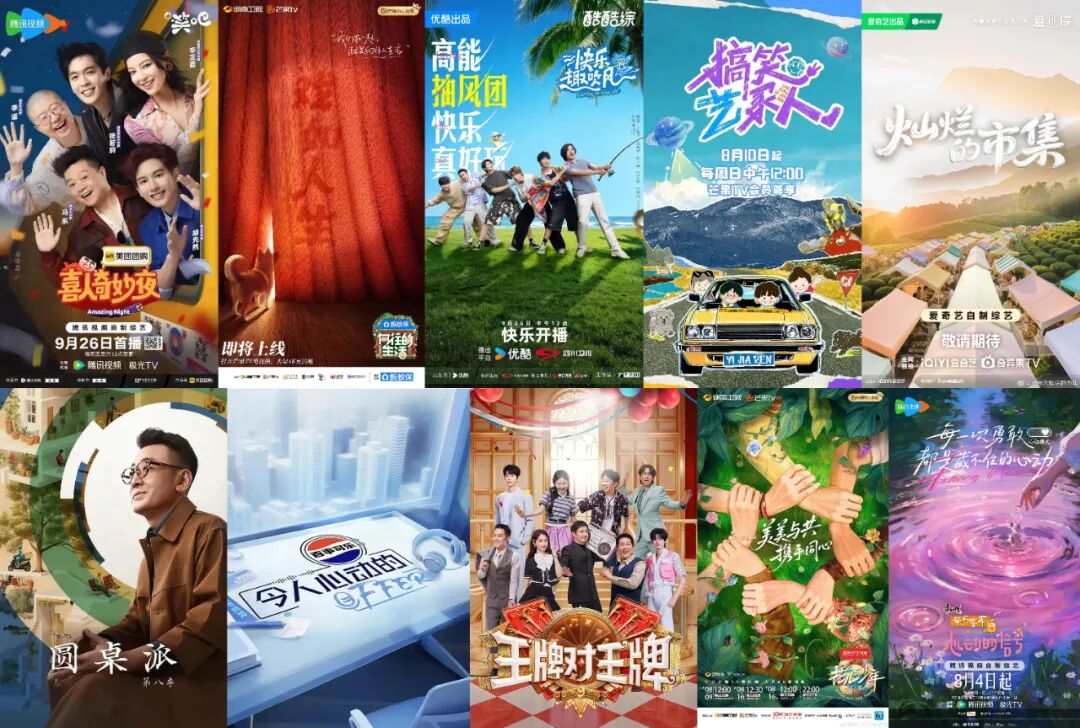
Core Insights - The autumn variety show market is experiencing a surge in content focused on delivering emotional value, particularly through humor and joy, as platforms aim to meet audience demands for relaxation and entertainment [3][4][21] - Major platforms like Youku and iQIYI are launching new shows categorized under themes of "explosive laughter" and "healing amusement," indicating a strategic shift towards light-hearted content [7][9][21] Group 1: Content Development Trends - Platforms are prioritizing the concept of "delivering happiness" in their content development, with shows like "Happy Night 2" and various travel comedies designed to resonate with audiences seeking stress relief [4][7] - The trend of integrating humor into family dynamics is exemplified by the show "Funny Family," which combines travel and games to create relatable content that reflects Chinese family emotions [9][21] Group 2: Revitalization of Established IPs - Long-standing variety shows are demonstrating resilience through thematic upgrades and cross-media collaborations, effectively revitalizing their brand influence [11][16] - The return of "Wanna Live" with a new season themed around "drama in life" showcases how established shows can adapt to current trends while maintaining their core audience [11][14] Group 3: Challenges and Market Dynamics - Iconic shows like "Ace vs. Ace" are facing challenges with declining viewership due to the departure of key cast members, highlighting the importance of core elements in sustaining audience engagement [17] - Conversely, shows like "Flowers and Youth" are successfully maintaining their unique appeal by focusing on detailed storytelling and emotional connections, demonstrating that attention to detail can differentiate content in a competitive market [17][21]
爱优腾拼“厨艺”,美食综艺何时重回爆款行列?
3 6 Ke· 2025-09-17 08:58
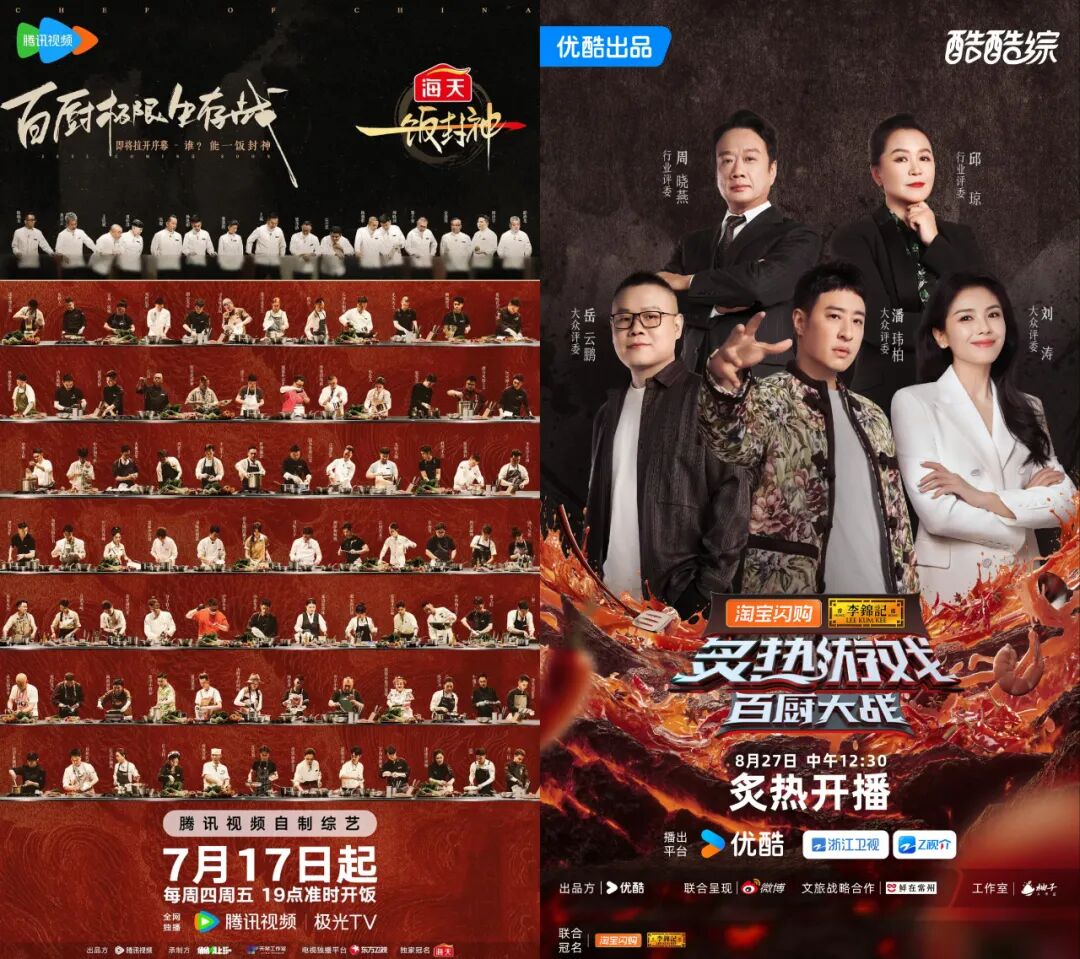
Core Viewpoint - The rise of competitive cooking shows in China, influenced by the success of the Korean show "Black and White Chef: Culinary Class Warfare," indicates a shift in the culinary entertainment landscape, with platforms like Tencent Video and Youku launching similar formats to attract audiences [1][11]. Industry Trends - The new generation of cooking shows emphasizes competition and entertainment, moving away from the traditional soothing style of past culinary programs [3][8]. - The competitive format, featuring large-scale elimination rounds and class-based challenges, has revitalized interest in culinary content, although it remains to be seen if it can regain its former peak popularity [3][11]. Historical Context - Chinese culinary shows experienced significant success with programs like "A Bite of China" in 2012, which combined food with cultural storytelling, capturing global interest in Chinese cuisine [5]. - The introduction of competitive elements in shows like "Chef King" further enhanced the entertainment value and cultural exchange through culinary competitions [5][7]. Current Landscape - The market has seen a surge in culinary shows, but the oversaturation has led to issues of homogenization and formulaic content, creating a dilemma for producers [8][10]. - Recent shows like "One Meal to Seal the Gods" and "Hot Game: Hundred Chefs Battle" have adopted competitive formats but have not achieved the expected popularity, indicating a potential disconnect with the audience [11][13]. Market Reception - As of September 12, both "One Meal to Seal the Gods" and "Hot Game" have not made it into the top ten of effective viewership rankings, suggesting a lukewarm reception despite significant brand sponsorship [13]. - The competitive cooking format has attracted various brands for sponsorship, indicating some level of market interest, but the challenge remains to connect with a broader audience without relying on celebrity appeal [13].
芒果发布2025年新片单:《向往的生活》重启 《还珠》系列将改编短剧
Xin Lang Ke Ji· 2025-05-16 05:14
Core Insights - The core message emphasizes the importance of innovation and breakthrough strategies for success in the media industry, as highlighted by the remarks of the general manager of Hunan Broadcasting and Television Group at the 2025 Mango Leading Fresh Conference [1]. Group 1: Innovation and Content Strategy - Mango has established 127 teams across 7 major tracks to transform creative ideas into unique intellectual properties (IPs), converting content popularity into long-term brand assets [1]. - The company is implementing an intelligent commercial system that creates a closed loop for product effectiveness, tracking the entire content performance evaluation process from advertising exposure to product conversion [1]. - Mango's ecosystem is expanding into various areas, including micro-short dramas, educational research, new offline concert formats, animation games, and immersive cultural tourism, aiming for comprehensive brand value resonance [1]. Group 2: Content Development and IP Utilization - The company showcased a variety of content types, including classic IPs like "Riding the Wind" and "Singer," which are being revitalized with new formats such as outdoor episodes and ultra-high-definition live broadcasts [1]. - Mango has initiated a "sample plan" strategy for its variety shows, unveiling 13 new sample episodes during the event [1]. - The company is adapting popular national IPs like the "Return of the Pearl" series into short dramas, with over 20 derivative dramas in development, including workplace themes and cultural heritage topics [1]. Group 3: Collaborations and Partnerships - Mango has formed a long-term partnership with Wuyou Media to enhance talent cultivation and content post-link exploration, focusing on creating efficient conversion pathways with new product forms [2]. - The company also launched a collaborative interview IP titled "Behind" with technology brands Ningde Times and Avita during the event [2].