
《生成式人工智能知识产权指南》

Search documents
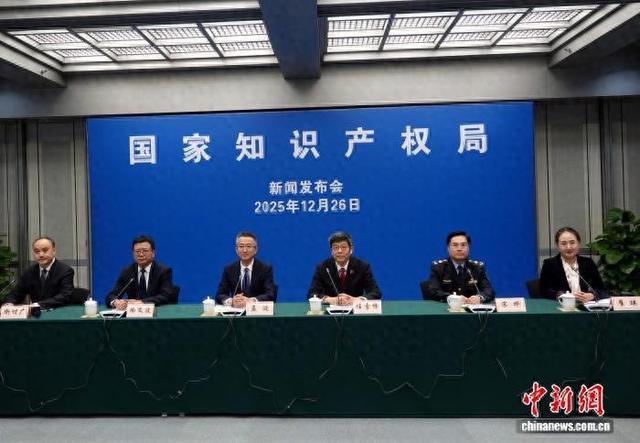
聚焦知识产权服务人工智能等 北京多部门协同推进新业态发展
Xin Lang Cai Jing· 2025-12-26 15:55
Group 1 - The establishment of the Artificial Intelligence Large Model Industry Intellectual Property Promotion Center is supported by 700 high-value patents to empower the development of small and medium-sized enterprises [3] - The center has been recognized for seven cases, including "AI tools empowering patent open licensing," which will be included in the 2025 National Intellectual Property Administration's excellent cases for patent transformation and application [3] - The first national case of "AI-generated image" infringement has been properly adjudicated, exploring the legal status of AI-generated products [3] Group 2 - A collaborative governance mechanism in the copyright field has been established by 13 units to enhance rapid protection against online copyright infringement [4] - The market supervision department will focus on the livelihood sector and new business models to improve enforcement efficiency and strengthen the protection of intellectual property across the entire chain [4] - The Haidian District is accelerating the construction of a modern industrial system led by artificial intelligence, emphasizing the integration of technology innovation and industry innovation [5] Group 3 - The first domestic group standard for intellectual property in the field of generative artificial intelligence has been published, along with guidelines for intellectual property protection in AI drug development [5] - The promotion of intellectual property operation centers in the AI industry aims to guide the standardized development of the industry and explore practices for protecting intellectual property in emerging fields [5]

海淀“世界标准日”主题活动举行,多项标准化成果集中亮相
Xin Jing Bao· 2025-10-14 14:23
Core Insights - The event focused on the theme of "contributing standard innovation power for building a world-leading technology park" and gathered representatives from government, standard organizations, research institutions, universities, and enterprises to discuss the core value and practical paths of standardization in empowering technological innovation and supporting industrial upgrades [1][2] Group 1: Standardization Achievements - Haidian District has led or participated in the development of 63 international standards, 657 national standards, 959 industry standards, and 126 local standards, demonstrating a high-level supply of standards from international to local [1] - The district has approved 9 units for the first batch of national standard verification points and 2 national-level consumer goods standardization pilot projects have passed the acceptance of the National Standardization Administration [1] - Haidian District holds 25 secretariats in international standardization organizations, has 24 chair positions, and is responsible for 212 domestic technical counterpart units, significantly enhancing its international standard discourse power [1] Group 2: Financial Support and Development - The Haidian District has invested 7.6 million yuan in standard innovation development special funds and assisted 22 units in obtaining 8.4 million yuan in capital standardization strategic subsidies for 27 projects [2] - 50 enterprise standards have been recognized as "national enterprise standard leaders," laying a solid foundation for creating a globally influential "standard innovation demonstration zone" [2] Group 3: Innovative Standards and Initiatives - Four typical cases of group standards were showcased, including the "Guidelines for the Protection of Business Secrets of SMEs" and the "Guidelines for Intellectual Property in Generative Artificial Intelligence," highlighting Haidian District's efforts in enhancing regulatory efficiency and service levels [3] - The "Haidian Standardization Public Welfare Empowerment Team" was established, comprising various organizations to provide precise services for enterprises in standard development, international certification, and achievement transformation [3] - The guidelines for generative AI address core issues such as copyright, patents, and trade secrets, proposing innovative rules to fill institutional gaps in this cutting-edge field [3]