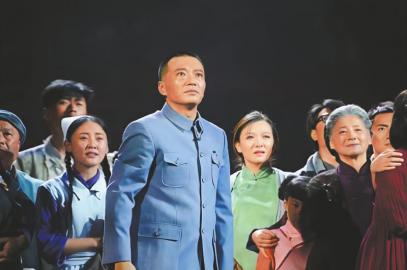
《蜕变》

Search documents
瓷语通世界 “中国白”赛事架起国际艺术交流桥
Xin Lang Cai Jing· 2026-01-16 16:01
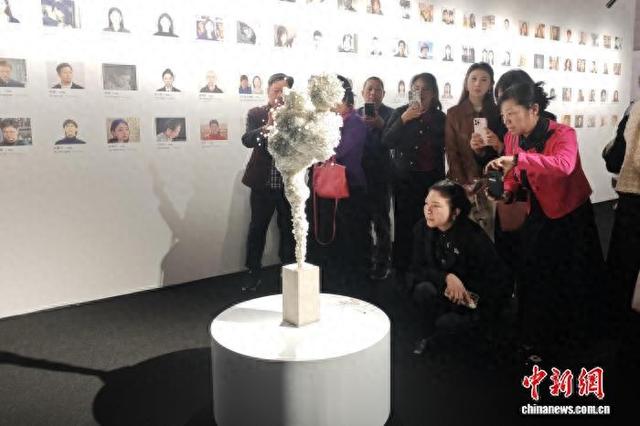
Core Viewpoint - The "China White" International Ceramic Art Forum and the final results of the fourth "China White" International Ceramic Art Competition highlight the ongoing innovation and expression among Chinese ceramic artists, particularly the younger generation, in the realm of ceramic art [1][3]. Group 1: Event Overview - The fourth "China White" International Ceramic Art Forum was held in Xiamen, Fujian, on January 16, showcasing the final results of the competition [1]. - The competition received submissions from 845 artists across 50 countries, with 994 works entered, and 96 pieces from 20 countries making it to the final evaluation [1]. Group 2: Awards and Recognition - The first prize was awarded to the French work "Here Was Water," while the second prizes went to "Haze and Hope" and "Silent Echoes." The third prizes were awarded to "Metamorphosis," "Threshold of Coherence," and "Binding and Breakthrough - Series 3" [3]. - Claudia Casali, director of the International Museum of Ceramics in Faenza, emphasized the importance of international exhibitions and competitions in fostering connections and economic opportunities within the ceramic industry [3]. Group 3: Cultural Significance - Bai Ming, director of the Ceramic Art Committee of the China Artists Association, stated that the "China White" competition serves as a bridge for emotional and creative expression, transcending ideological and cultural differences [3]. - The exhibition accompanying the competition presents a diverse interpretation and creative transformation of the unique cultural symbol of "China White," showcasing its historical significance and future potential [3].

遥望那座戏剧的丰碑
Xin Lang Cai Jing· 2026-01-07 20:19
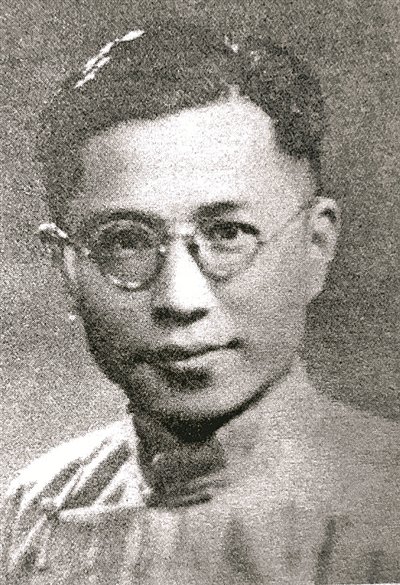
Core Viewpoint - The article highlights the significant contributions of Cao Yu to Chinese drama, emphasizing his ability to engage with universal human issues through his works, which have stood the test of time and continue to resonate with audiences today [5][7]. Group 1: Artistic Influence and Legacy - Cao Yu's works, including "Thunderstorm," "Sunrise," "The Wilderness," and "Beijing Man," have created a dialogue between Chinese drama and the world's best modern plays, enriching the Chinese theatrical landscape [5]. - His artistic creativity and social impact have transcended time, making him a memorable figure in the history of Chinese literature and drama [5]. Group 2: Personal Background and Its Impact on Work - Cao Yu's interest in human issues stemmed from his childhood experiences and family dynamics, particularly the influence of his father, who was a well-educated but unsuccessful man [7][8]. - The oppressive atmosphere of his family life, characterized by addiction and emotional turmoil, provided a backdrop for his exploration of complex human relationships in his plays [8]. Group 3: Creative Journey and Milestones - Cao Yu began writing "Thunderstorm" at the age of 24, and it was published in 1934, marking the start of his successful career as a playwright [9]. - He produced several major works in quick succession, including "Sunrise" in 1936 and "The Wilderness" in 1937, showcasing his remarkable productivity during his early years [9][10]. - His works were well-received and performed widely, establishing him as a leading figure in modern Chinese theater [9]. Group 4: Educational and Social Connections - Cao Yu's education at prestigious institutions like Nankai Middle School, Nankai University, and Tsinghua University provided him with a rich environment for theatrical development, where he was exposed to modern drama and influential mentors [11]. - His friendships with literary figures like Ba Jin played a crucial role in his creative journey, offering support and encouragement that fueled his passion for writing [12]. Group 5: Relationship with Shanghai - Cao Yu maintained a close relationship with Shanghai, where many of his works were published and performed, reflecting the city's vibrant cultural scene [13][15]. - His collaborations with directors and friends in Shanghai contributed to the enduring legacy of his plays, which continue to be staged today [15].
舞台上铭刻不可磨灭的抗战记忆
Si Chuan Ri Bao· 2025-08-14 22:49
Core Viewpoint - The article emphasizes the significance of anti-Japanese war-themed dramas in inspiring the public and reflecting on human conscience during the challenging times of the war, highlighting the ongoing trend of creating impactful theatrical works that resonate with contemporary audiences [7][11]. Group 1: Historical Context and Impact - The establishment of the Chinese National Drama Anti-Enemy Association marked a pivotal moment for theatrical arts, as it called for a transformation of stage performances to reflect the national struggle and resilience during the anti-Japanese war [7]. - Renowned playwrights and artists from across the country gathered in the Sichuan-Chongqing region, contributing to a vibrant theatrical scene that served as a platform for expressing patriotic sentiments and rallying public support [8][9]. Group 2: Notable Works and Contributions - "The Qu Yuan," written by Guo Moruo, premiered in 1942 and was celebrated for its powerful narrative and emotional depth, with 22 performances held over 17 days, all of which were sold out [8][10]. - "Metamorphosis," created by Cao Yu during the war, depicted the transformation of a hospital under new leadership, symbolizing the broader changes occurring in the nation during the anti-Japanese struggle [9][10]. Group 3: Contemporary Productions - The musical "I Am the Sichuan Army," which premiered in 2017, has been performed over 80 times, resonating deeply with audiences due to its emotional storytelling and portrayal of the sacrifices made by Sichuan soldiers during the war [12]. - "Iron Blood Westward Migration," a play focusing on the historical event of the evacuation from Yichang, showcases the efforts of patriotic industrialists and the sacrifices of local people, emphasizing the collective struggle during the war [13][14].