《日出》

Search documents
遥望那座戏剧的丰碑
Xin Lang Cai Jing· 2026-01-07 20:19
Core Viewpoint - The article highlights the significant contributions of Cao Yu to Chinese drama, emphasizing his ability to engage with universal human issues through his works, which have stood the test of time and continue to resonate with audiences today [5][7]. Group 1: Artistic Influence and Legacy - Cao Yu's works, including "Thunderstorm," "Sunrise," "The Wilderness," and "Beijing Man," have created a dialogue between Chinese drama and the world's best modern plays, enriching the Chinese theatrical landscape [5]. - His artistic creativity and social impact have transcended time, making him a memorable figure in the history of Chinese literature and drama [5]. Group 2: Personal Background and Its Impact on Work - Cao Yu's interest in human issues stemmed from his childhood experiences and family dynamics, particularly the influence of his father, who was a well-educated but unsuccessful man [7][8]. - The oppressive atmosphere of his family life, characterized by addiction and emotional turmoil, provided a backdrop for his exploration of complex human relationships in his plays [8]. Group 3: Creative Journey and Milestones - Cao Yu began writing "Thunderstorm" at the age of 24, and it was published in 1934, marking the start of his successful career as a playwright [9]. - He produced several major works in quick succession, including "Sunrise" in 1936 and "The Wilderness" in 1937, showcasing his remarkable productivity during his early years [9][10]. - His works were well-received and performed widely, establishing him as a leading figure in modern Chinese theater [9]. Group 4: Educational and Social Connections - Cao Yu's education at prestigious institutions like Nankai Middle School, Nankai University, and Tsinghua University provided him with a rich environment for theatrical development, where he was exposed to modern drama and influential mentors [11]. - His friendships with literary figures like Ba Jin played a crucial role in his creative journey, offering support and encouragement that fueled his passion for writing [12]. Group 5: Relationship with Shanghai - Cao Yu maintained a close relationship with Shanghai, where many of his works were published and performed, reflecting the city's vibrant cultural scene [13][15]. - His collaborations with directors and friends in Shanghai contributed to the enduring legacy of his plays, which continue to be staged today [15].

史诗归来——亚历桑德罗&德乐黑第十轮中国巡演
Bei Jing Ri Bao Ke Hu Duan· 2025-10-16 04:30
Core Viewpoint - The collaboration between Alejandro Querevalu, an Indigenous musician from Peru, and Mongolian throat singer Delekh represents a unique cultural fusion, marking their tenth anniversary of performances in China with a new concert tour in 2025 [2][5]. Group 1: Artists and Their Music - Alejandro Querevalu plays the pan flute, embodying the winds and spirit of the Andes mountains, while Delekh's throat singing resonates with the vastness of the Mongolian steppe [5]. - Their music intertwines to create a dialogue between heaven and earth, evoking a primal force that brings tranquility to the heart and resonance to the soul [5]. Group 2: Concert Details - The upcoming tour will feature new pieces such as "God of Wind," "Summer Breeze," "Poor Heart," and "A Ya Ya," alongside two solo throat singing performances by Delekh [7]. - The concert will consist of 17 pieces divided into three main sections: "Voices of Nature," "Dance of the Soul," and "Resonance of Heaven and Earth," showcasing the diverse charm of both Indigenous and Mongolian music [7]. - Notable collaborative pieces include "Dawn," "Sunrise," and "Wild Buffalo," which symbolize the galloping of wind and horses, the chorus of mountains and clouds, and the embrace of humanity and nature [7]. Group 3: Event Information - The concert is scheduled for November 8, 2025, at 19:30, taking place at the Zhongshan Music Hall in Beijing [9].

金利华电:央华时代主营业务聚焦于舞台剧的制作与演出
Zheng Quan Ri Bao· 2025-09-22 14:07
Group 1 - The core business of Central China Times focuses on the production and performance of stage plays, as well as involvement in drama investment and the design and development of drama derivatives [2] - This year, the main productions, releases, and performances include "Thunderstorm," "Thunderstorm: After," "Sunrise," and "Crocodile" [2]


金利华电:今年主要制作、出品及演出的剧目有《雷雨》、《雷雨·后》、《日出》、《鳄鱼》
Mei Ri Jing Ji Xin Wen· 2025-09-22 09:09
Group 1 - The core business of Central China Drama focuses on the production and performance of stage plays, as well as involvement in drama investment and the design and development of drama derivatives [1] - This year, the main productions, releases, and performances include the plays: "Thunderstorm," "Thunderstorm: After," "Sunrise," and "Crocodile" [1]
专访埃及汉学家阿齐兹:从书海中读懂“上合主张”
Zhong Guo Xin Wen Wang· 2025-08-29 09:42
Core Viewpoint - The interview with Egyptian sinologist Aziz highlights the importance of cultural exchange between China and Egypt, emphasizing the "harmony" concept that transcends Cold War thinking and promotes mutual respect among civilizations [1][2]. Group 1: Cultural Exchange and Influence - Aziz has dedicated nearly half a century to promoting Sino-Egyptian cultural exchange, viewing Chinese culture as a continuous river that flows through history [1]. - In 2022, Egypt joined the Shanghai Cooperation Organization (SCO) as a dialogue partner, which Aziz believes enhances cultural integration and mutual learning between Islamic and Chinese civilizations [1][2]. - Aziz has translated over 40 Chinese works into Arabic, including classics and modern literature, thereby providing the Arab world with insights into Chinese society [2]. Group 2: Philosophical Insights - Aziz emphasizes the enduring relevance of Chinese ancient philosophy, particularly the focus on human welfare, which aligns with contemporary Chinese principles of prioritizing the people's needs [3]. - The SCO is viewed as a significant platform for enhancing international cooperation, particularly for developing countries like Egypt, which look forward to new models of collaboration [3]. - Aziz expresses hope that the upcoming SCO Tianjin Summit will foster unity and consensus among member states, addressing the aspirations of people for a better life [3].
(上合天津峰会)专访埃及汉学家阿齐兹:从书海中读懂“上合主张”
Zhong Guo Xin Wen Wang· 2025-08-29 05:38
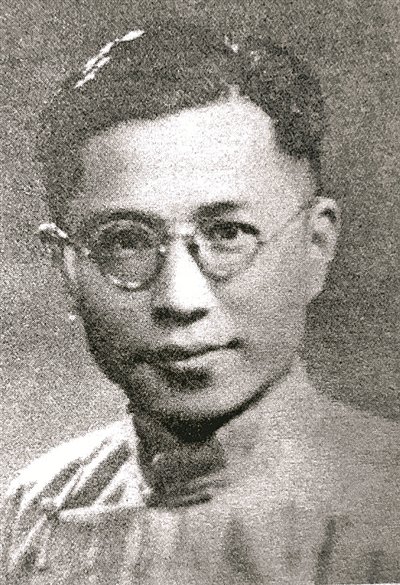
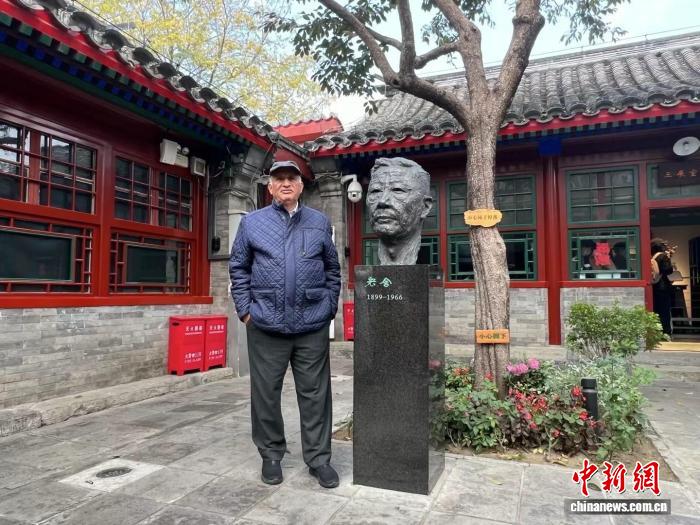
Core Viewpoint - The interview with Egyptian sinologist Aziz highlights the importance of cultural exchange between China and Egypt, emphasizing the "harmony" concept that transcends Cold War thinking and promotes mutual respect among civilizations [1][2]. Group 1: Cultural Exchange and Contributions - Aziz has dedicated nearly half a century to promoting Sino-Egyptian cultural exchange, translating over 40 Chinese works into Arabic, which has opened a window for the Arab world to understand China [2]. - His first translated work, Cao Yu's "Sunrise," published in 1988, was the first Chinese drama translated into Arabic, receiving significant acclaim [2]. - Aziz's translations include works from renowned Chinese authors such as Lu Xun, Guo Moruo, Lao She, Shen Congwen, Yu Hua, and Mo Yan, reflecting various aspects of Chinese society [2][3]. Group 2: Philosophical Insights - Aziz emphasizes the enduring relevance of Chinese classics like "The Analects" and "Tao Te Ching," which encapsulate moral principles and philosophical reflections central to Chinese culture [3]. - He believes that the core of Chinese philosophy is centered on "people," aligning with China's current focus on "everything for the people," which he sees as a natural continuation of historical thought [3]. Group 3: SCO and Global Governance - The Shanghai Cooperation Organization (SCO) is viewed as a significant platform for multilateral cooperation, with increasing influence and importance in addressing global instability [1][4]. - Aziz expresses hope that the upcoming SCO Tianjin Summit will foster unity and consensus among member states, responding to the aspirations of people for a better life and injecting stability into a turbulent world [4].
经典重排,读出时代的“心跳”(坚持“两创”·关注新时代文艺)
Ren Min Ri Bao· 2025-08-25 22:40
Core Viewpoint - The revival of classic plays is not merely a mechanical reproduction but a creative process that infuses contemporary life into timeless works, aiming to forge new classics for the current generation [2][6]. Group 1: Revival of Classics - The Beijing People's Art Theatre has restaged the classic play "Camel Xiangzi," which has received applause from both older and younger audiences, highlighting the ongoing trend of reviving classic works on stage [2][5]. - Various theaters, including the National Theatre and Northern Kunqu Opera Theatre, are reinterpreting classics in innovative ways, showcasing the enduring charm of these works across different artistic forms [2][3]. Group 2: Artistic Innovation - The process of reinterpreting classics requires creators to deeply understand the original works while injecting contemporary elements, thus bridging the gap to modern audiences [3][4]. - Directors like Li Liu and Wang Keran have successfully adapted classic plays while maintaining the original spirit, demonstrating the dialogue between classics and contemporary issues [3][4]. Group 3: Cultural Significance - The trend of classic revival reflects cultural confidence and the preservation of cultural genes, allowing the wisdom embedded in these works to resonate in a modern context [5][6]. - The revival of classics serves as a collective memory and spiritual code for a nation, emphasizing the importance of cultural transmission and innovation [5][6].

何以中国|借津门建筑活化之韵,打造可触摸的“何以中国”
Zhong Guo Xin Wen Wang· 2025-08-11 13:01
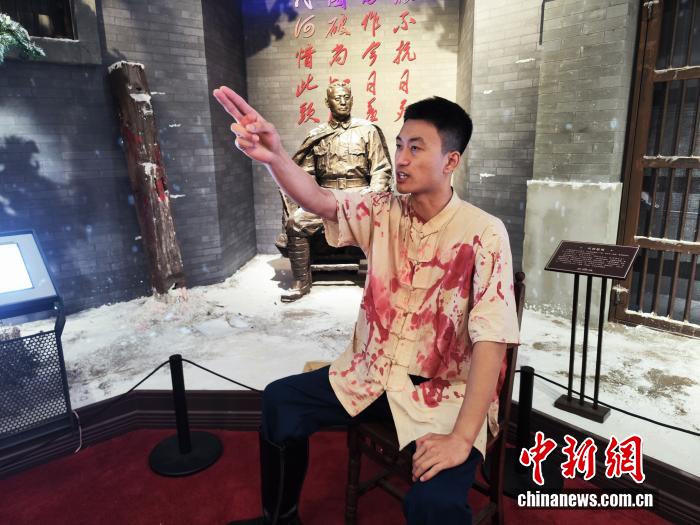
Core Viewpoint - The article highlights the immersive performance at the former residence of anti-Japanese hero Ji Hongchang in Tianjin, showcasing how historical narratives are brought to life through innovative theatrical methods, engaging both older and younger audiences in the process of cultural remembrance [1][5][11]. Group 1: Immersive Experience - The performance at Ji Hongchang's former residence, known as "Red House," aims to recreate the historical atmosphere and engage visitors in a meaningful way, allowing them to "touch the warmth of history" [5][11]. - The immersive theater approach has been adopted to attract younger audiences, moving away from traditional lecture-style presentations to create a more engaging experience [5][11]. - Actors undergo extensive training to embody Ji Hongchang's character, ensuring that their portrayal resonates with the audience and conveys the hero's dedication and spirit [5][7]. Group 2: Cultural and Historical Significance - Ji Hongchang's residence serves as a vital historical site, functioning as a secret communication hub and printing house during the anti-Japanese resistance [3][5]. - The performance not only honors Ji Hongchang's legacy but also fosters a connection between the younger generation and historical figures, as evidenced by young visitors reciting his poetry [7][11]. - The revitalization of historical buildings in Tianjin is part of a broader cultural tourism strategy aimed at enhancing visitor experiences and preserving local heritage [11][14]. Group 3: Broader Cultural Integration - The transformation of historical sites into "urban theaters" reflects a trend in Tianjin to blend cultural heritage with modern artistic expressions, making history accessible and engaging for the public [8][10]. - The city's cultural tourism strategy emphasizes immersive experiences and innovative products, aiming to create new attractions and enhance visitor engagement [11][14]. - The success of these initiatives is evidenced by projected visitor numbers and cultural events, indicating a thriving cultural landscape in Tianjin [11].