《隋史遗文》

Search documents
谁人识得“知世郎”
Bei Jing Wan Bao· 2026-02-25 06:52
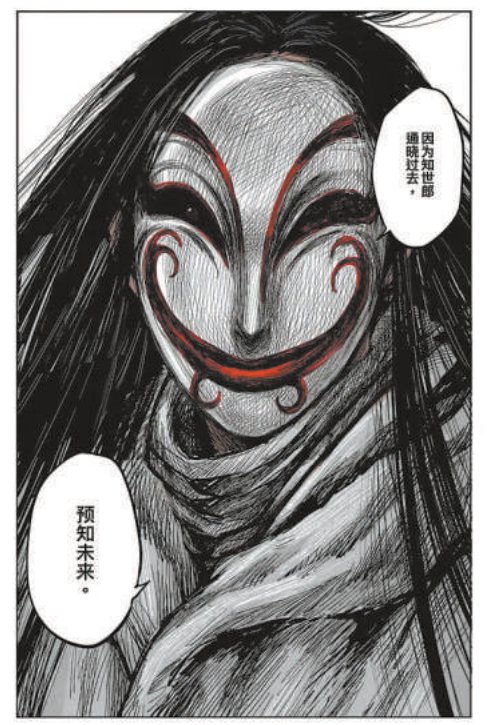
▌五柳七 漫画《镖人》中的知世郎 "长白山头知世郎,纯著红罗锦背裆。横矟侵天半,轮刀耀日光。上山吃獐鹿,下山吃牛羊。忽闻官军 至,提刀向前荡。譬如辽东死,斩头何所伤。" 隋大业七年(611),王薄在山东章丘长白山揭竿而起,自称"知世郎",以这首《无向辽东浪死歌》作 为起义号召。 隋末起义风起云涌,直接原因是隋炀帝三征辽东,"苦役者始为群盗",王薄的歌谣喊出了反抗的强音。 这首歌谣最早见于唐代刘仁轨《河洛记》,歌中"辽东死"记作"辽东豕","辽东豕"典故出自《后汉书·朱 浮传》,喻人见识浅薄、少见多怪,显然与歌意不符。明代杨慎《古音余》中辑录此歌,写作"辽东 死"。 王薄自称"知世郎","言事可知矣",扮作预言者。隋末大乱,多以童谣为谶语。如隋文帝杨坚第五子杨 谅不满杨广夺位,起兵之时即以童谣相号召。《北史》载,并州有谣言"一张纸,两张纸,客量小儿作 天子"。杨谅闻谣言:"我幼字阿客,量与谅同音,吾于皇家最小。"李渊起兵,同样以"李氏将兴"之类 的童谣来当预言,如太原童谣"法律存,道德在,白旗天子出东海"。东海代指齐地,即山东地区,山东 豪杰辈出之地,对于李唐之兴发挥了膀臂作用。 电影《镖人》于春节档期上映,孙 ...

跨海论汉|美国汉学家何谷理:我依然是十七世纪中国文学的大粉丝
Xin Lang Cai Jing· 2025-12-25 09:08
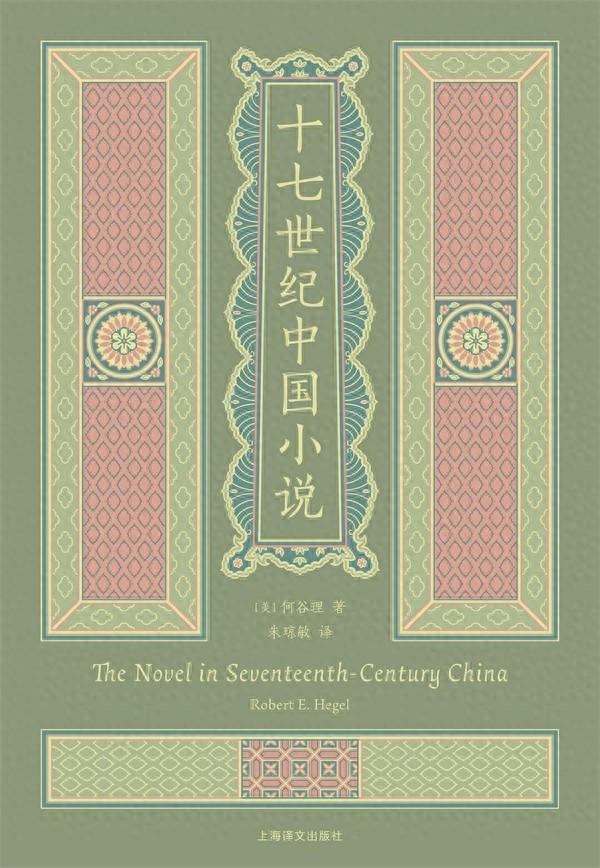
Core Viewpoint - The publication of "Seventeenth-Century Chinese Novels" marks a significant contribution to the understanding of Chinese literature, particularly focusing on lesser-known works from the 17th century that provide unique social insights [1][4]. Group 1: Author Background - Robert E. Hegel, an esteemed professor emeritus at Washington University in St. Louis, has dedicated his career to the study of classical Chinese narrative literature, particularly Ming and Qing novels [3]. - Hegel's notable works include "Reading Illustrated Fiction in Late Imperial China" and translations of various Chinese literary texts, showcasing his extensive engagement with Chinese literature [3][4]. Group 2: Publication Significance - "Seventeenth-Century Chinese Novels" was first published in 1981 and has been recognized as a classic in American sinology, highlighting the importance of this period in Chinese literary history [1][3]. - The book provides a detailed analysis of several novels, including "Journey to the West Supplement" and "The History of Sui," revealing a vibrant literary world during the Ming and Qing dynasties [1][4]. Group 3: Research Focus - Hegel's interest in 17th-century Chinese novels stems from a lack of scholarly attention to this period, prompting him to explore the available works and their cultural significance [8][12]. - The novels discussed in Hegel's research often reflect personal perspectives and innovative storytelling, diverging from traditional narratives [13][19]. Group 4: Cultural and Historical Context - The novels of the 17th century serve as a means of escapism and intellectual engagement for educated readers, allowing them to reflect on contemporary societal issues through historical narratives [16][19]. - Hegel emphasizes that the political turmoil of the late Ming period paradoxically fostered a literary flourishing, similar to patterns observed in Western literature during times of crisis [18]. Group 5: Literary Analysis - Hegel notes that the commercial aspect of novel publishing in 17th-century China was complex, with many high-quality novels being expensive and not primarily aimed at profit [11][12]. - The cultural significance of these novels often lies in their intricate references and allusions, which require a deep understanding of the historical and philosophical context to fully appreciate [12][23]. Group 6: Translation and Impact - Hegel's translations of works like "The Heroic Adventures of Qin Shubao" and "Journey to the West Supplement" aim to make these texts accessible to a broader audience, highlighting their literary and cultural value [34][42]. - His work has contributed to correcting misconceptions about Chinese literature and its historical context, providing a more nuanced understanding of its development [42].