上臂式电子血压计

Search documents
乐心医疗(300562.SZ):申报医疗器械注册证获得受理
Ge Long Hui A P P· 2025-12-30 11:35
Core Viewpoint - Le Xin Medical has received acceptance notification from the Guangdong Provincial Drug Administration for its application regarding the registration of an upper-arm electronic blood pressure monitor [1] Group 1: Product Details - The upper-arm electronic blood pressure monitor consists of a main unit, cuff, charging cable (optional), and adapter (optional) [1] - It measures adult systolic pressure, diastolic pressure, and pulse rate using oscillometric method, with data displayed on an LCD screen for diagnostic reference [1] - The product features 4G functionality, enabling real-time transmission of blood pressure measurement data for users to monitor their health status promptly [1]

乐心医疗:申报的上臂式电子血压计医疗器械注册证获受理
Xin Lang Cai Jing· 2025-12-30 11:15
Core Viewpoint - The company has received a notification from the Guangdong Provincial Drug Administration indicating that its application for the registration of an upper arm electronic blood pressure monitor has been accepted [1] Group 1 - The company has recently been notified about the acceptance of its medical device registration application [1] - The accepted device is an upper arm electronic blood pressure monitor [1] - This development indicates progress in the company's regulatory approval process for its medical devices [1]
在家量血压,最容易忽略哪些细节?中疾控提示
Ren Min Wang· 2025-10-10 01:21
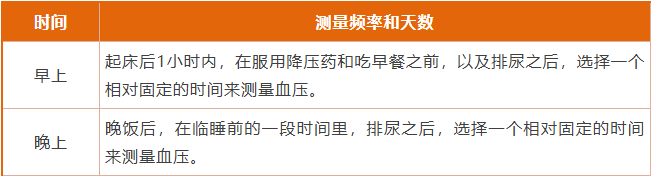
Core Viewpoint - Home blood pressure monitoring is a crucial aspect of hypertension management, providing accurate data for health management and disease prevention [1] Group 1: Choosing the Right Blood Pressure Monitor - Recommended to use upper arm electronic blood pressure monitors for their accuracy and ease of use, while wrist, finger monitors, and mercury sphygmomanometers are not recommended [2] - Ensure the blood pressure monitor is certified and calibrated regularly, ideally once a year [2] Group 2: Measurement Methodology - Preparation involves selecting a quiet room with a comfortable temperature, resting for at least 5 minutes before measurement, and emptying the bladder to avoid elevated readings [3] - Correct posture is essential, with the arm at heart level and the cuff positioned appropriately [4] Group 3: Measurement Process - The first measurement should be taken quietly, followed by a second measurement after 1-2 minutes, averaging the two readings. If there is a significant difference, a third measurement is recommended [5] - It is important to record the date, time, and blood pressure readings for long-term tracking [5] Group 4: Important Considerations - Awareness of the "white coat effect," where anxiety in clinical settings may lead to higher readings, is important, and excessive focus on blood pressure can cause anxiety [6] - Certain medications may affect blood pressure readings, and special populations like pregnant women or children should follow specific medical guidance [7] Group 5: Monitoring Frequency and Timing - Blood pressure should be measured at specific times: within one hour of waking and before breakfast, and after dinner before bedtime [9] - Frequency varies by blood pressure status, with normal individuals measuring at least once a year, while those with elevated readings should measure more frequently [11]